
Watering
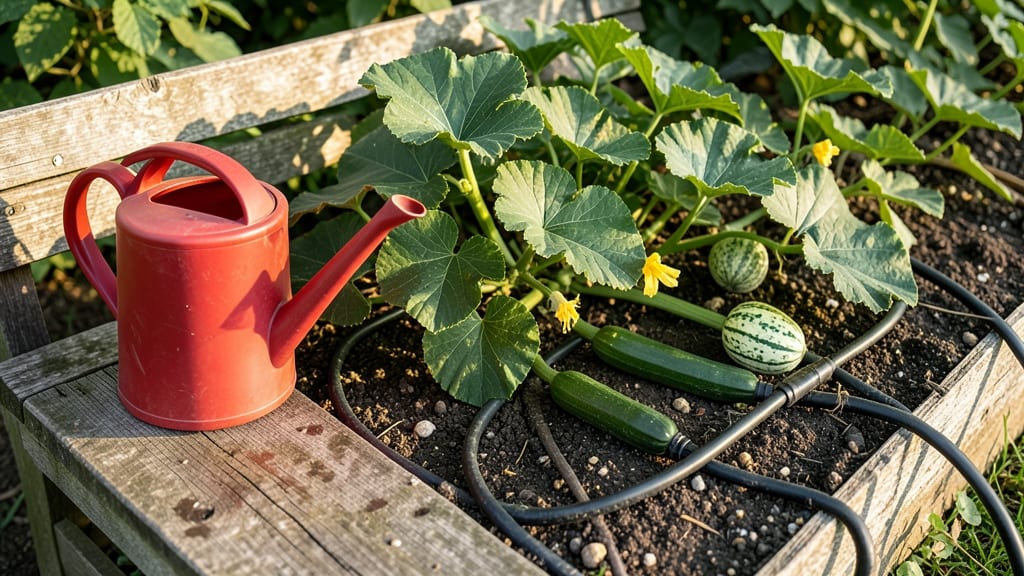
Watering squash correctly keeps your 🎃 plants thriving from seedling to harvest—here’s the exact schedule to avoid wilted leaves and wasted effort.
Struggling to keep your squash plants thriving? Overwatering or underwatering can turn your garden into a sad, wilted mess—here’s the science-backed method to water squash plants just right for maximum yield.
Most gardeners guess, but squash needs consistent moisture—deep watering every 2-3 days in spring and summer, with adjustments for soil type and heat. Too much water causes rot; too little stunts growth.
Below, I break down the perfect watering routine by growth stage, how to read your soil, and the three key signs you’re watering wrong—so you can grow squash like a pro.
The perfect watering schedule for squash plants by growth stage
Squash plants are thirsty souls—especially when they’re growing like crazy during summer. But watering too much or too little can ruin your harvest. The key? Adjusting your watering schedule based on growth stages, soil type, and climate.
I’ve grown squash for years, and this method keeps my vines happy and my harvest bountiful.
Most gardeners make the mistake of sticking to a one-size-fits-all watering routine. But squash plants need more water when flowering and less when dormant. Plus, sandy soil drains faster than clay, and a 90°F day demands more H₂O than a 70°F afternoon.
Let’s break it down by stage so you can water like a pro.
Here’s the golden rule I swear by: the finger test. Stick your index finger 1-2 inches deep into the soil. If it feels dry, water deeply.
If it’s still damp, wait another day. This simple trick saves squash plants from root rot and blossom-end rot—two of the biggest watering mistakes.
| Growth Stage | Water Frequency | Depth | Soil Check | Climate Adjustments |
|---|---|---|---|---|
| Seedlings | Every 2-3 days | 1 inch | Top inch dry | Reduce if rainy |
| Flowering | Daily or every other day | 2-3 inches | 2 inches dry | Increase in heat |
| Fruiting | Every 2-3 days | 3 inches | 2-3 inches dry | Consistent moisture |
| Dormant (Fall) | Every 5-7 days | 1 inch | Top 1 inch dry | Reduce as temps drop |
When squash plants are just seedlings, they need gentle but consistent watering. Overhead watering can wash away seeds or young plants, so use a watering can with a fine rose or a drip irrigation line.
Aim for 1 inch of water every 2-3 days, but check the soil—sandy soil may need watering daily, while clay holds moisture longer.
Once your squash plants start flowering, they go into high-water mode. This is when fruits form, and drought stress can cause flowers to drop. Water deeply 2-3 inches into the soil every 1-2 days, depending on heat.
If your garden is in full sun and temps hit 90°F+, water in the early morning to prevent evaporation.
During the fruiting stage, squash plants need steady moisture to prevent blossom-end rot (a common calcium deficiency caused by uneven watering). I water my squash every 2-3 days, soaking the soil 3 inches deep.
Mulch helps retain moisture—straw or shredded leaves work great—and reduces the need for frequent watering.
In hot, dry climates, squash plants may need watering daily, while cooler or humid regions can stretch watering to every 3-4 days. Always adjust based on your local weather.
For example, after a heavy rain, skip watering for a day or two to avoid root rot.
One of my biggest lessons? Never water at night. Wet foliage overnight invites fungal diseases like powdery mildew. Stick to early morning watering (before 10 AM) so leaves dry quickly. If you must water in the evening, use a soaker hose to keep water at the roots.
For container-grown squash, the rules change slightly. Potted plants dry out faster, so water every 1-2 days in summer. Use a larger pot (at least 15 gallons) and add compost to improve water retention. Always check the soil—containers can bake in the sun, demanding more frequent watering.
Finally, pay attention to your squash plants’
Signs you’re watering squash wrong (and how to fix it)
Your squash plants might be silently screaming for help—yet you’re missing the clues. Overwatering and underwatering both cause dramatic symptoms, but spotting them early can save your harvest.
The key is learning the subtle (and not-so-subtle) signs your squash is thirsty, drowning, or stressed. Let’s decode the plant’s SOS signals and fix them fast.
First, check the leaves. Yellowing between veins? That’s classic overwatering, often paired with soggy soil. Meanwhile, crispy, curling edges signal underwatering. Both extremes stress your plants, but the fixes couldn’t be more different.
The first step is adjusting your watering schedule—but first, let’s tackle the most critical warning sign.
⚠️ How Often to Water Squash?
Seedlings: Keep soil consistently moist (water every 1-2 days), but avoid soggy roots.
Mature plants: Deep water 2-3x weekly (1-2 inches per session). Increase to daily in 90°F+ heat.
Sign of overwatering: Yellow leaves + mushy stems. Fix: Let soil dry 1 inch deep between waterings.
Sign of underwatering: Wilting + crispy leaf edges. Fix: Water deeply at soil level (not leaves) in early morning.
Next, inspect the fruit. Blossom-end rot—those dark, sunken spots on squash ends—is a dead giveaway for inconsistent moisture. While calcium deficiency plays a role, fluctuating water levels trigger it.
The fix? Water deeply and consistently, and consider a calcium supplement if rot persists. Mulch helps too—it keeps roots stable and soil moisture even.
Powdery mildew on leaves? That’s another red flag. While fungi love humidity, overhead watering spreads spores like wildfire. Switch to drip irrigation or a watering can at the base.
Space plants for airflow, and remove infected leaves immediately. A baking soda spray (1 tsp per quart of water) can also help prevent outbreaks.
Don’t ignore root health. Squash roots need oxygen, so compacted or waterlogged soil suffocates them. Stick your finger 2 inches deep—if it feels damp, hold off on watering.
For heavy clay soil, amend with compost or perlite to improve drainage. A well-draining mix prevents root rot while keeping moisture where it’s needed.
Your watering routine should adapt with the seasons. In summer’s peak heat, squash may need daily watering, while fall’s cooler temps let you stretch to every 3-5 days. Always water in the early morning to reduce evaporation and fungal risks.
And remember: more isn’t better. Squash hates soggy feet—aim for 1-2 inches of water per week, adjusting for rain.
Fix these mistakes, and your squash vines will reward you with vibrant leaves, healthy blooms, and plump, disease-free fruit. Start with the soil test, adjust your schedule, and watch your plants thrive—no more guesswork, just science-backed care. 🎃