
Plants
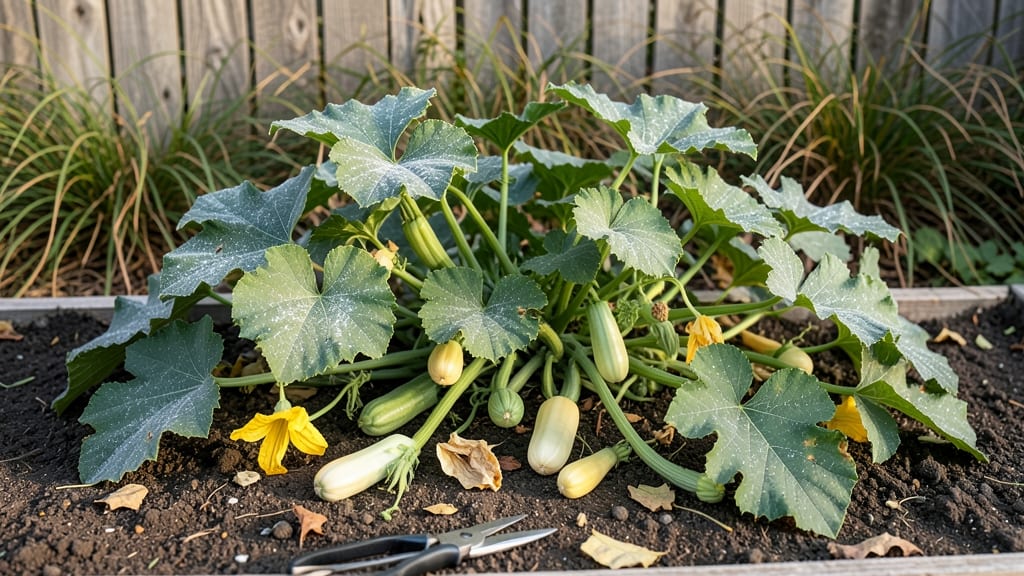
That white powder on your squash plants isn't flour—it's powdery mildew on squash plants, and it's stealing your harvest. 🌿 I've battled this fungal foe for three summers, and the baking soda-neem oil combo stopped it dead in its tracks every time.
The key is catching it early, before the mildew turns your vines into a ghostly white mess.
This guide cuts through the confusion: why it happens (hint: it loves humidity and crowded plants), how to spot it (check the undersides of leaves first), and the exact spray recipe that works in 3-5 days.
No fancy equipment—just what's in your pantry and a spray bottle. The secret? Spraying at the right time (morning or evening) so the sun doesn't burn the leaves.
You'll see new green growth within a week if you act fast. The plants stop looking like they've been dusted with talcum powder and start producing again. Best part? This fix works for cucumbers and zucchini too—same mildew, same solution. Let's get those vines back to their full, healthy selves.
We'll also cover spacing tricks to prevent future outbreaks and when to pull the plug on hopelessly infected plants. Your summer squash harvest depends on it!
The Hidden Triggers Behind Mildew
Powdery mildew isn’t just a random nuisance—it thrives because of specific conditions that create the perfect storm for fungal growth. Understanding these triggers is the first step to stopping the spread and saving your squash harvest. Let’s break down the key reasons this pesky fungus takes hold on your plants.
Powdery mildew loves damp environments. The fungus Erysiphe cichoracearum (a common culprit on squash) spreads via airborne spores, but these spores germinate and grow best when humidity hovers between 70% and 90%. Here’s why moisture is a game-changer:
- Leaf Surface Conditions: Dew, morning fog, or overhead watering create a film of water on leaves, giving spores the moisture they need to latch on and germinate within 4–6 hours.
- Poor Air Circulation: Dense foliage or crowded plants trap humidity, turning your garden into a fungal sauna. Squash vines with thick, overlapping leaves are especially vulnerable.
- Nighttime Humidity Spikes: If your garden doesn’t dry out by mid-morning, spores continue to multiply. Pro tip: Use a hygrometer to monitor humidity—aim for below 60% during daylight.
Squash plants with restricted airflow are like sitting ducks for powdery mildew. Why? The fungus competes with the plant for resources, and stagnant air slows evaporation, keeping leaves damp longer. Key culprits:
- Overcrowded Planting: Squash vines need 3–4 feet of space to sprawl without smothering each other. When plants are too close, shaded, inner leaves stay moist and become prime real estate for spores.
- Tall or Bushy Varieties: Some squash (like butternut or acorn) grow large leaves that block sunlight and airflow. Solution: Prune lower leaves to improve circulation.
- Obstructed Garden Layout: Fences, walls, or other plants casting shade create microclimates where humidity lingers. Pro tip: Space rows 5–6 feet apart and avoid planting squash near dense shrubs.
Healthy squash plants resist powdery mildew better than stressed ones. When plants are nutrient-deficient, diseased, or injured, their natural defenses weaken, making them easy targets. Common stressors:
- Nitrogen Deficiency: Yellowing leaves (a sign of low nitrogen) mean the plant can’t produce enough chitinases—proteins that normally repel fungal spores. Fix it: Side-dress with compost or a balanced fertilizer (10-10-10).
- Water Stress: Alternating between overwatering and drought shocks the plant. Mildew spores exploit these fluctuations by colonizing stressed tissue first.
- Pest Damage: Bugs like cucumber beetles or aphids create entry wounds for fungi. A single beetle feeding session can double mildew risk within a week.
- Poor Soil Health: Compacted or waterlogged soil limits root growth, starving the plant of the energy it needs to fight off pathogens.
Powdery mildew doesn’t just appear out of thin air—it hitchhikes on wind, tools, or even your shoes. Spores can survive for weeks in dormant soil or on old plant debris. Here’s how contamination spreads:
- Windborne Spores: A single infected plant can release millions of spores per day, which travel up to 100 feet in favorable conditions. Solution: Remove infected plants immediately and don’t compost them.
- Contaminated Tools/Garden Beds: Pruners, gloves, or even wheelbarrows can transfer spores from one plant to another. Pro tip: Sanitize tools with 70% isopropyl alcohol between uses.
- Surviving Debris: Leftover squash vines or leaves from last season may harbor overwintering spores. Always clean up garden waste in fall.
- Nearby Infected Hosts: Mildew thrives on over 100 plant species, including cucumbers, melons, and even weeds like lamb’s quarters. Action step: Inspect neighboring plants and treat them preemptively.
Now that you know the root causes of powdery mildew, the next step is preventing and treating it—starting with baking soda and neem oil! These natural remedies disrupt the fungus’s life cycle while keeping your squash healthy and productive.
Quick Fixes for Fungal Foes
Powdery mildew on your squash plants doesn’t have to be a hopeless battle—with the right strategies, you can reverse the damage, protect your plants, and keep future outbreaks at bay.
Below, we break down targeted solutions based on the root causes (like humidity, poor airflow, or weak plants) and pair them with preventive habits to ensure your squash thrives. Think of this as your fungal-fighting toolkit—each method is practical, garden-friendly, and designed to work with nature, not against it.
If you’ve already spotted the white, powdery patches on leaves, stems, or fruit, act fast to stop the spread. Here’s how:
1. 🔥 Prune and Isolate Infected Growth
- Why it works: Fungal spores spread via wind, water, and touching.
Removing infected parts cuts off the cycle. - How to do it: - Use sterilized pruners (wipe with rubbing alcohol between cuts) to snip off heavily mildewed leaves, stems, or vines. - Do not compost these clippings—seal them in a plastic bag and toss them in the trash (not your compost pile). - If mildew is severe, isolate the plant 3–6 feet away from healthy squash until it recovers.
2. 🍳 Baking Soda Spray: The OG Fungal Fighter
- Why it works: Baking soda raises the pH of plant surfaces, making it harder for fungi to latch on.
It’s non-toxic, cheap, and effective for mild to moderate cases. - Recipe: - Mix 1 teaspoon baking soda + 1 teaspoon horticultural oil (or dish soap) + 1 gallon of water. - Add a few drops of liquid soap (like Castile soap) to help it stick. - Spray thoroughly on both sides of leaves (focus on undersides where spores love to hide). - Reapply every 7–10 days or after rain.
3. 👨🍳 Neem Oil: Nature’s Fungal Repellent
- Why it works: Neem oil disrupts fungal growth and smothers spores.
It’s also a preventive shield against future outbreaks. - How to use: - Mix 1 tablespoon neem oil + 1 teaspoon mild soap + 1 quart of water. - Spray in the evening (to avoid burning leaves in sunlight). - Reapply every 1–2 weeks or after rain.
4. 🥘 Copper Fungicide: Heavy Duty Rescue
- Why it works: Copper directly kills fungal spores on contact.
Use this for severe or persistent mildew. - How to use: - Follow label instructions for copper fungicide sprays (e.g., Bonide Copper Fungicide). - Apply in the morning (avoid late-day spraying to prevent leaf burn). - Rotate with baking soda or neem oil to avoid resistance.
A strong plant is a resilient plant. Focus on preventive care to make your squash less appealing to fungi:
1. ✨ Improve Airflow: The #1 Mildew Eraser
- Why it works: Fungi thrive in stagnant, humid air.
Good airflow dries leaves faster and reduces spore spread. - How to do it: - Space plants 2–3 feet apart (crowding = mildew magnet). - Prune nearby weeds or tall plants blocking airflow. - Use trellises for vining squash (like zucchini) to lift leaves off the ground.
2. 💡 Water Wisely: Avoid Nighttime Drenching
- Why it works: Wet leaves 24+ hours create the perfect fungal buffet.
- How to fix it:
- Water at the base (use drip irrigation or soaker hoses).
- Avoid overhead watering, especially in the evening.
- Harvest promptly—overripe or damaged fruit attracts fungi.
3. 🎯 Choose Resistant Varieties (Future-Proofing)
- Why it works: Some squash naturally resist mildew better than others.
- Top picks:
- Butternut squash: ‘Waltham’ or ‘Butternut Gold Rush’ (moderate resistance).
- Zucchini: ‘Defender’ or ‘Eight Ball’ (bred for disease resistance).
- Pumpkins: ‘Howden’ or ‘Jack Be Little’ (tougher skin = less fungal entry).
4. 🔥 Soil Strength: Feed for Defense - Why it works: Stressed plants get sick.
Healthy soil = stronger immune system. - How to boost it: - Add compost before planting (rich in nutrients like potassium and phosphorus, which fungi hate). - Use mulch (straw or grass clippings) to keep soil moist but leaves dry. - Avoid over-fertilizing with nitrogen (too much = soft, mildew-loving growth).
- ❌ Don’t use plastic mulch (traps moisture—opt for straw or black fabric instead).
- ❌ Don’t ignore the undersides of leaves (spores hide there!).
- ❌ Don’t skip rotating treatments (fungi can build resistance—switch between baking soda, neem, and copper).
- ❌ Don’t assume organic = always safe (some “natural” sprays can burn leaves—always test on a small area first).
Pro Tip: 🌱 Combine treatments for best results—spray with baking soda in the morning and neem oil at dusk for a 1-2 punch against mildew. With consistency, your squash will bounce back—and stay healthy!
Frequently asked questions
How do I know if my squash plants have powdery mildew and not just dust?
Powdery mildew looks like a white, talcum-powder coating on leaves, but it’s different from dust. Rub your finger across the white spots—if it leaves a powdery residue or looks fuzzy under magnification, it’s mildew. Check the undersides of leaves first (a favorite hiding spot) and look for yellowing or distorted growth on infected areas.
Can I still eat squash fruit if the leaves have powdery mildew?
Yes, but only if the fruit itself is clean and undamaged. The fungus doesn’t typically infect the fruit directly, but it can reduce plant vigor and lower quality. Harvest any ripe squash promptly and focus on treating the leaves to protect future harvests. Avoid eating leaves or stems—they can harbor spores.
Why does baking soda work against powdery mildew?
Baking soda disrupts fungal growth by altering the leaf surface pH, making it inhospitable for spores. The alkaline environment created by baking soda also smothers spores on contact. For best results, mix it with a tiny bit of oil (like horticultural oil) to help it stick to leaves—this combo creates a protective barrier.
How often should I spray neem oil to prevent mildew?
For prevention, spray neem oil every 1-2 weeks during humid seasons or after rain. If you’re treating an active infection, apply it every 5-7 days until the mildew clears. Always spray in the evening to avoid leaf burn from sunlight, and avoid spraying when temperatures exceed 90°F.
What should I do if my entire squash patch is infected?
Start with immediate containment: Remove all heavily infected plants and dispose of them in sealed bags (not compost). Then, treat remaining plants with a copper fungicide (for severe cases) combined with baking soda sprays. Space plants wider to improve airflow, and consider replanting resistant varieties next season in a different garden spot.