
Vegetables
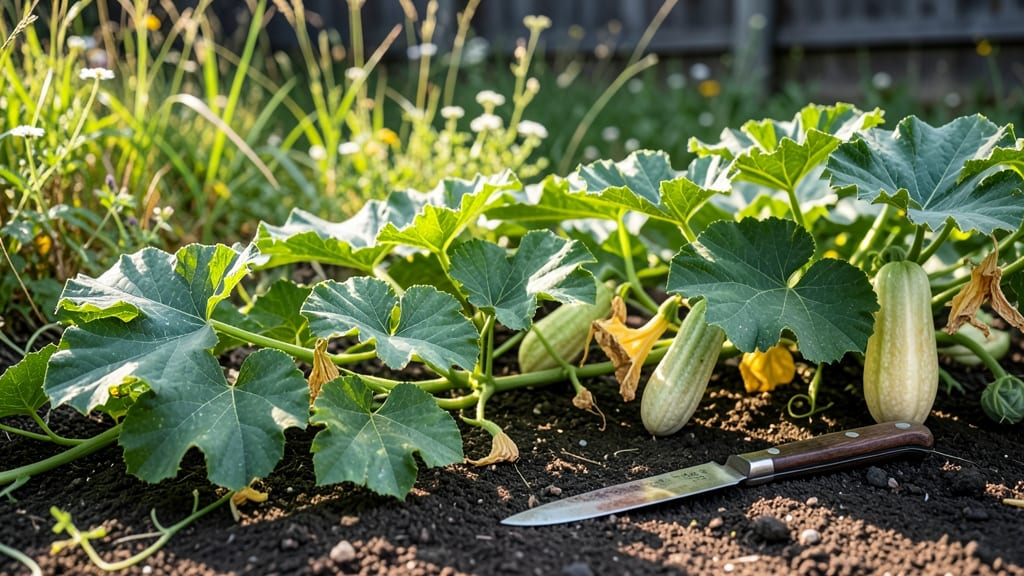
Knowing whether your spaghetti squash 🎃 is ripe or not makes all the difference between tender, flavorful strands and tough, disappointing flesh.
Picking spaghetti squash at the wrong time can leave you with bland, stringy flesh instead of tender, flavorful strands—but these 5 simple clues will help you harvest at the perfect moment.
First, check the rind: ripe squash turns from bright green to a dull, matte finish. Then, look at the stem end—it should shift from green to a yellowish-brown hue. A gentle tap should reveal a hollow sound, and the skin should yield slightly when pressed.
In this guide, I’ll walk you through these visual and physical tests, plus common mistakes to avoid so you can enjoy the best-tasting spaghetti squash from your garden.
5 Visual signs your spaghetti squash is ripe and ready to harvest
Harvesting your spaghetti squash at the right moment transforms it from a tough, flavorless mess into a tender, golden delight. The difference between perfect timing and disappointment often comes down to subtle visual cues most gardeners overlook.
I’ve learned the hard way—underripe squash yields rubbery strands, while overripe ones turn mushy. Let’s dive into the 5 key visual signs that scream "harvest me now!" before your squash hits its peak.
First, pay close attention to the rind color. A ripe spaghetti squash won’t stay bright green like its younger self. Instead, it develops a dull, matte finish that looks almost faded. This change signals the squash has stopped growing and is ready to be picked.
Think of it like a ripe avocado—when the skin dulls, it’s time to act. Skipping this step often means waiting too long, and the texture suffers as a result.
Pro tip: Combine these signs for the most accurate reading. For example, a squash with a dull rind but still-green stem might need a few more days. But if you spot 3 or more of these signs, it’s time to grab your pruners!
Remember, spaghetti squash doesn’t ripen further after picking, so act when you see these clues.
Now that you’re equipped with these visual cues, you’ll never second-guess your harvest again. The next time you’re standing in your garden with a squash in hand, take a moment to check these signs—your future spaghetti dinner will thank you.
And if you’re still unsure, the stem separation test in the next section will give you that final confirmation.
Happy harvesting! With these tricks, you’ll go from guessing to knowing exactly when your spaghetti squash is ready to shine. 🎃
How to test spaghetti squash ripeness: the seed and stem method
Determining whether your spaghetti squash is ripe can be tricky, but focusing on the seed cavity and stem gives you foolproof clues. These two areas hold the most reliable indicators of peak ripeness, ensuring you harvest at the perfect moment for that tender, stringy texture we all love.
Overlooking these details often leads to underripe squash that’s tough or overripe squash with a bitter taste.
Start by examining the stem end—this is where the squash connects to the vine. A ripe spaghetti squash will show a clear transition from green to a yellowish-brown color. If the stem end is still bright green, your squash needs more time on the vine.
Meanwhile, the seed cavity should be fully developed, with seeds that are firm and ready to be planted if you’re feeling generous. These visual and tactile cues work together to confirm ripeness.
One of the most overlooked methods is the tap test. Hold the squash firmly and tap it gently with your knuckles near the stem. A ripe spaghetti squash will produce a deep, hollow sound, similar to knocking on a wooden door.
If the sound is more like a thud, your squash needs more time on the vine. This test works even if the squash looks ripe on the outside—it’s a great way to double-check.
If you’re still unsure, here’s a pro tip: Harvest in the morning when the squash is cool and hydrated. This makes it easier to assess firmness and color accurately.
Once you’ve confirmed ripeness using these methods, use a sharp knife or pruners to cut the squash from the vine, leaving a 1-inch stem attached. This helps extend its shelf life and keeps it fresh longer.
Remember, the seed cavity and stem are your best friends when it comes to spaghetti squash ripeness. By mastering these checks, you’ll never again end up with a squash that’s either too tough or too mushy. Happy harvesting! 🎃