
Picking
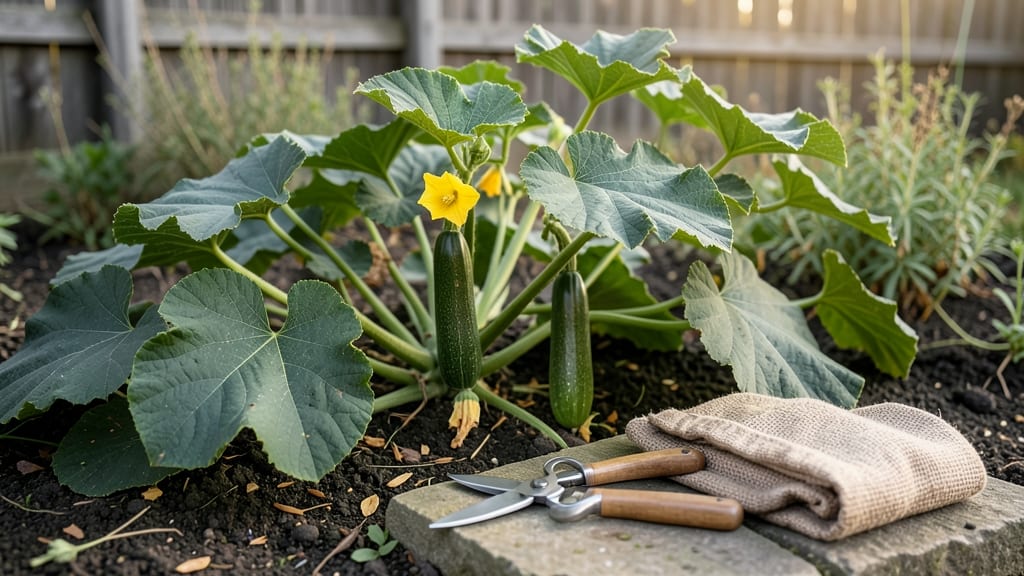
Picking squash from your garden at the right moment means the difference between a meal that tastes like sunshine and one that’s tough, bland, or even inedible.
Imagine slicing into a zucchini that’s still rock-hard or a butternut squash with a mealy center—not the harvest you dreamed of. The secret?
Knowing when to pluck your 🎃 from the vine isn’t just about size or color; it’s about three simple tactile tests that save you from culinary disappointment.
From the moment your squash plants burst through the soil in Zone 6a, you’ve got about 55 days until harvest season kicks in. But timing isn’t just about days—it’s about texture, color, and even how the stem snaps.
Miss the window, and you’re left with squash that’s either too seedy or too soft.
In this guide, I’ll walk you through the three foolproof tests to nail the perfect harvest, plus what to do if you pick too early (or too late). By the end, you’ll never second-guess when to snip that vine again.
3 Tactile tests to determine perfect squash ripeness
Harvesting squash at the right moment transforms your garden into a treasure trove of flavor and texture. Unlike many vegetables, squash doesn't ripen well after picking, so timing is everything. I’ve learned that relying on tactile tests—methods you can do with your hands—gives the most accurate results.
These tests work for both summer squash like zucchini and winter squash like butternut, though the exact cues vary slightly between types.
First, let’s tackle the most common question: How do I know when my squash is ready to pick? The answer lies in three simple but powerful tactile tests that go beyond just checking the color.
These methods help you assess firmness, stem separation, and internal ripeness—all critical factors for peak flavor. Whether you’re growing pumpkins, acorn squash, or spaghetti squash, these tests will become your go-to tools for perfect harvests every season.
🌱 Comparison Table: Tactile Tests for Squash Ripeness
| Test | Summer Squash (e.g., Zucchini) | Winter Squash (e.g., Butternut, Pumpkin) | What to Look For |
|---|---|---|---|
| Skin Firmness | Hard but not woody | Thick, tough skin (resists fingernail) | Press gently with your thumb. If it leaves no dent, it’s ready. Summer squash should feel firm but tender. |
| Stem Separation | Stem pulls away easily | Stem snaps cleanly at base | Grasp the stem near the fruit and twist gently. If it detaches without resistance, the squash is ripe. For winter squash, the stem should snap like dry kindling. |
| Thump Test | Hollow sound when tapped | Deep, resonant thud | Tap the squash with your knuckle. Summer squash should sound hollow, like a drum. Winter squash should produce a deep thud, indicating fully developed seeds and flesh. |
| Bonus Cue | Color change | Color deepens fully | Check for consistent color. Summer squash should lose all green. Winter squash should show no green patches at all. |
The skin firmness test is my first go-to method because it’s quick and reliable. For summer squash, like zucchini or yellow squash, the skin should feel firm but still tender—almost like a ripe avocado.
Press your thumb into the skin; if it springs back without leaving a dent, it’s ready. For winter squash, such as butternut or pumpkins, the skin should be so tough that you can’t even dent it with your fingernail. This thickness is what helps winter squash store for months.
Next, try the stem separation test, which is especially useful for larger squash varieties. Grab the stem near where it meets the fruit and give it a gentle twist. If the stem pulls away cleanly—without the fruit tearing—your squash is at peak ripeness.
For zucchini or cucurbita pepo varieties, this usually means the fruit has reached its ideal size and flavor. For winter squash, the stem should snap like dry twigs, indicating the seeds inside are fully matured and the flesh is sweetest.
Don’t overlook the thump test, a foolproof way to check internal ripeness without cutting into the squash. Tap the fruit firmly with your knuckle. A hollow sound in summer squash signals it’s ready to eat—think of it like knocking on a drum.
For winter squash, you’re aiming for a deep, resonant thud, which means the seeds are plump and the flesh is fully developed. This test is particularly helpful for spaghetti squash or acorn squash, where internal texture matters most.
One common mistake I see is waiting too long for squash to reach its maximum size. While bigger might seem better, overripe squash often becomes seedy, fibrous, or even develops a bland flavor. For example, a zucchini left too long on the vine can turn woody and bitter.
On the flip side, picking too early—when the skin is still soft or the color isn’t fully developed—means you’ll miss out on the peak sweetness and tender texture. The tactile tests help strike that perfect balance.
Seasonal variations also play a role in ripening. In hot, dry
Best harvest times for common squash types (zucchini, pumpkins, butternut)
Timing your squash harvest is like catching a wave—too early, and you miss the sweet spot; too late, and you're left with tough, seedy disappointments. Each type of squash has its own ideal ripening window, color cues, and size benchmarks that signal peak flavor and texture.
Whether you're growing zucchini, pumpkins, or butternut squash, knowing these details ensures you maximize your garden's bounty.
Summer squash like zucchini and yellow crookneck varieties mature quickly, often within 45-55 days of planting, while winter squash such as butternut and pumpkins take 80-120 days to reach harvest readiness. The key difference?
Summer squash is harvested young and tender, while winter squash is left to fully mature for hardy, long-term storage. Let's break down the exact signals for each type so you never miss harvest season again.
| Squash Type | Size Benchmark | Color Cues | Skin Texture | Harvest Window |
|---|---|---|---|---|
| Zucchini | 6-8 inches long | Deep green or yellow | Firm, glossy, resists pressure | July-August (45-55 days) |
| Yellow Crookneck | 7-9 inches long | Bright yellow, no green | Smooth, slightly waxy | July-August (50-60 days) |
| Butternut Squash | 8-12 inches long | Tan or beige, no green | Hard, thick skin | September-October (80-100 days) |
| Pumpkins | 8-12 inches diameter | Deep orange, no green stem | Thick, tough rind | September-October (90-120 days) |
For zucchini and other summer squash, the harvest window is tight—typically July through August in most U.S. growing zones. These varieties should be picked when they're 6-8 inches long and their skin turns a deep, consistent color.
A gentle squeeze should reveal a firm, glossy surface that doesn’t yield to pressure. If you wait too long, zucchini can become seedy and tough, losing their sweet, delicate flavor.
Winter squash like butternut and pumpkins require more patience. These varieties need to fully mature before harvest, usually between September and October. Look for a deep, consistent color—no green patches—and a hard, thick skin that’s nearly impossible to pierce with your fingernail.
Butternut squash should measure 8-12 inches long, while pumpkins should reach 8-12 inches in diameter, depending on the variety. The stem should also separate easily from the fruit when gently twisted.
Seasonal variations can shift your harvest timeline by 2-4 weeks, depending on your climate. In warmer southern zones, squash may ripen earlier, while cooler northern regions might see a delayed harvest. Always monitor your plants closely, especially as they approach their expected days to maturity.
A quick check of your seed packet or plant tag will give you a baseline, but visual and tactile cues are the true indicators of readiness.
Pro tip: Use a sharp pruning shear or knife to harvest squash, leaving a 1-inch stem attached. This helps prevent disease and extends storage life.
After harvest, cure winter squash by placing them in a warm, dry spot for 7-10 days to develop their full flavor and harden their skin for long-term storage.