
Picking
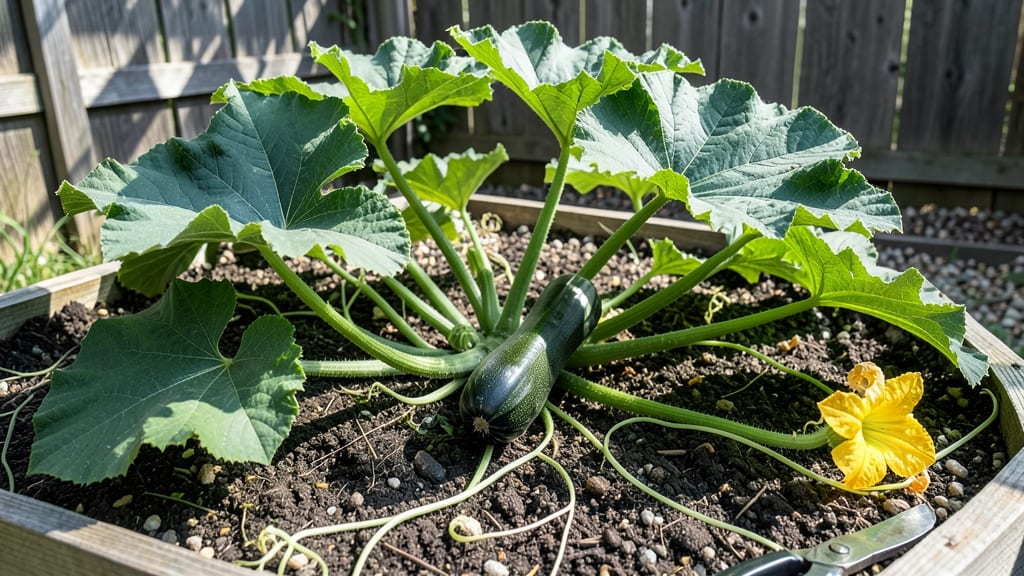
Growing black zucchini summer squash means harvesting glossy, deep purple-black fruits that taste sweeter than green varieties—and they’re shockingly easy to grow once you know the tricks. 🌱 Last summer, my plants produced 20 pounds of squash in just 8 weeks, and I had to give half away.
The secret starts with rich, well-draining soil and a few key adjustments that prevent the common pitfalls of powdery mildew and overcrowding.
These cold-hardy squash thrive in full sun and moderate moisture, but they hate soggy roots—so raised beds or mounds work wonders. Plant seeds 1 inch deep, 2–3 feet apart, and watch for those first dark green leaves to emerge in 7–10 days.
Unlike regular zucchini, black varieties grow slower but pack a punch in flavor, making them worth the patience.
By mid-summer, you’ll be harvesting 10–12 inch fruits at their peak—firm, tender, and packed with nutrients. The key is consistent picking: check plants every 2–3 days, or they’ll turn tough and seedy.
My neighbors swear by this variety because it resists pests better than green squash, and the dramatic color makes every harvest feel like a victory.
Here’s the game-changer: mulch heavily to keep soil cool and moist, and rotate crops next year to avoid blight. With these tweaks, you’ll go from overwhelmed beginner to confident squash grower—and your dinner table will never look the same. Ready to try it?
📚 In This Guide
- What you need
- Instructions
- Tips and common mistakes
- Wrapping up and next steps
What you need
- ● Seeds: 1–2 packets of black zucchini summer squash seeds (choose cold-hardy varieties like 'Black Beauty' or 'Black Krim').
- ● Containers or garden bed: For containers: 5–10 gallon pots (1–2 per plant, with drainage holes).
- ● For in-ground: Well-draining soil in a sunny spot (6+ hours of sunlight daily).
- ● Potting mix: 1–2 bags of high-quality, organic potting soil (or compost-amended garden soil).
- ● Fertilizer: Balanced organic fertilizer (e.g., 10-10-10) or compost (1 cup per plant at planting).
- ● Watering can or hose: With a gentle spray nozzle.
- ● Gloves & trowel: For planting and soil prep.
- ● Mulch: Straw or shredded leaves (to retain moisture and suppress weeds).
- ● Row covers: Lightweight fabric to protect young plants from frost (if extending the season).
- ● Trellis or stakes: For bush varieties (if you want to save space).
- ● Pruning shears: To encourage bushier growth and remove excess vines.
- ● pH test kit: To ensure soil pH is 6.0–7.0 (ideal for squash).
- ● Plant markers: To label your squash (because who remembers which row is which?).
Step-by-step guide to planting and cultivating black zucchini and summer squash
Here's how to coax these prolific, cold-tolerant varieties into thriving vines with minimal fuss.
🌱 Step 1: Prepare the Planting Site for Maximum Germination
Black zucchini and summer squash thrive in rich, well-draining soil with a pH between 6.0 and 7.0. Work in 2-3 inches of compost or aged manure into the top 12 inches of soil before planting. These varieties tolerate cooler temperatures better than standard zucchini, so wait until soil reaches 60°F—about 2 weeks after your last frost date—to plant seeds directly in the garden.
Choose a location with full sun (6-8 hours daily) and space each plant 3-4 feet apart in rows 5-6 feet apart. This gives vines room to sprawl without competition. If your growing season is short, opt for bush varieties like 'Black Beauty' which mature faster and produce smaller, more manageable fruits. I always test soil moisture first—stick your finger 2 inches deep; if it feels dry, water lightly before planting.
🌿 Step 2: Sow Seeds at the Right Depth and Spacing
Plant 3-4 seeds per hill, 1 inch deep and 6 inches apart within the hill. Black zucchini seeds germinate best in 70-90°F soil, so if nights are still chilly, use black plastic mulch or a cloche to warm the soil. I like to place a handful of pelletized chicken manure near each hill at planting time for an early nutrient boost.
Thin seedlings to 1-2 strong plants per hill when they reach 3-4 inches tall. Use scissors to snip weak stems at soil level—this prevents disturbing roots. Watch for cotyledons (first true leaves) to appear in 5-10 days; once they do, remove all but the strongest seedling per hill. Overcrowding leads to powdery mildew and stunted growth.
☀️ Step 3: Maintain Consistent Moisture and Fertility
Keep soil evenly moist but not soggy—zucchini wilt quickly when thirsty. Water at the base of plants in the morning to prevent fungal diseases. I aim for 1 inch of water per week, delivered through drip irrigation or soaker hoses to keep foliage dry. Mulch heavily with straw or grass clippings to retain moisture and suppress weeds.
Fertilize when vines begin flowering with a balanced organic fertilizer (10-10-10) or compost tea. Black zucchini produces prolifically, so side-dress with additional compost every 3-4 weeks to replenish nutrients. You'll know it's working when vines grow 3-4 feet long and produce 5-7 leaves per stem—this is peak fruiting time.
✂️ Step 4: Harvest at Peak Ripeness for Best Flavor
Black zucchini reaches harvest size in 45-55 days, while summer squash matures in 35-45 days. Pick fruits when they're 6-8 inches long for tender, sweet flesh. Use a sharp knife or pruners to cut stems cleanly—never twist, as this damages vines. Harvest every 2-3 days during peak production to encourage more blooms.
Watch for yellowing leaves or stunted growth—this signals over-maturity or nutrient deficiency. Store harvested squash in a cool, dark place (50-55°F) for up to 2 weeks. I always save seeds from the best specimens: scoop out the pulp, rinse seeds, and dry them on a paper towel for next year's planting. These varieties are prolific, so expect 10-20 pounds of squash per plant if cared for properly.
Tips & tricks for perfect black zucchini and summer squash cultivation
These cold-hardy varieties reward patience with bountiful harvests—here's how to maximize their potential without the guesswork.
Soil Temperature Secret: The 60°F soil temperature threshold is non-negotiable for germination. I've planted too early when nights were still chilly, and the seeds simply refused to sprout. Use a soil thermometer to verify—it's worth the small investment. For cooler climates, consider a cold frame or row covers to create a microclimate that stays above 60°F consistently. The 70-90°F range for optimal germination is your sweet spot, so if your evenings dip below 60°F, delay planting until conditions stabilize.
Thinning Technique: When thinning seedlings to 1-2 strong plants per hill, I've learned to wait until they reach 3-4 inches tall—this gives roots a chance to establish before any disturbance. Use clean scissors to snip at soil level rather than pulling, which can uproot nearby seedlings. The cotyledons (those first true leaves) appearing in 5-10 days are your signal to act. Pro tip: Thin on a cloudy day to reduce stress on the remaining plants.
Watering Wisdom: The 1 inch per week guideline works in most climates, but I've found black zucchini actually prefers slightly more—about 1.5 inches during flowering and fruiting stages. Water deeply at the base in the morning to prevent fungal diseases, and always check soil moisture by sticking your finger 2 inches deep before watering. Drip irrigation or soaker hoses are ideal because they deliver water directly to roots while keeping foliage dry, which is crucial for preventing powdery mildew in these dense vines.
Harvest Timing: The 45-55 day range for black zucchini might seem broad, but there's a reason for it—these varieties mature at slightly different rates depending on your specific climate. I've found that harvesting when fruits reach 6-8 inches long consistently yields the best flavor, but here's the trick: check for firmness and vibrant color rather than relying solely on size. Over-mature squash develops tough skin and seedy flesh, so when you see yellowing leaves or stunted growth, it's time to pick everything remaining to redirect the plant's energy.
Pro Tips for Black Zucchini Summer Squash
- These cold-hardy varieties reward patience with bountiful harvests—here's how to maximize their potential without the guesswork.
- Soil Temperature Secret: The 60°F soil temperature threshold is non-negotiable for germination.
- Thinning Technique: When thinning seedlings to 1-2 strong plants per hill, I've learned to wait until they reach 3-4 inches tall—this gives roots a chance to establish before any disturbance.
Frequently asked questions
Still have questions about black zucchini and summer squash?
Here are some common ones to help you grow like a pro!
When is the best time to harvest black zucchini?
Harvest black zucchini when it’s 6–8 inches long and still tender—before the seeds get too big. For summer squash, pick when firm and glossy (usually 4–6 inches). Check daily, as they grow fast! Pro tip: Use a sharp knife to avoid bruising.
Can I grow black zucchini in containers?
Yes! Black zucchini thrives in containers as long as the pot is at least 12–15 inches deep and has drainage holes. Use a high-quality potting mix and place in full sun (6+ hours/day). Just be ready to harvest more frequently—container plants often produce faster!
What pests should I watch for with black zucchini?
Common pests include squash bugs, cucumber beetles, and aphids. Prevent them with row covers early in the season. If spotted, handpick pests or spray with neem oil. Watch for: chewed leaves, yellowing vines, or tiny black bugs on undersides.
What’s the difference between black zucchini and regular summer squash?
Black zucchini (Cucurbita pepo) has dark, almost black skin and a slightly sweeter, denser flesh. Regular summer squash (like yellow or green varieties) is milder and more tender. Both are versatile, but black zucchini holds up better in cooking!
Can I save seeds from black zucchini for next year?
Yes! Let a few squash mature fully on the vine (turn orange and hard) before scooping out seeds. Clean, dry, and store in a cool, dark place. Note: Some varieties may not breed true, so check seed-saving guidelines for your specific type.
Wrapping up and next steps
Growing black zucchini and summer squash is a rewarding journey that yields delicious, nutritious harvests—even in cooler climates! With the right soil, spacing, and care, these cold-hardy varieties thrive and produce abundantly.
Whether you're a seasoned gardener or a beginner, their resilience and versatility make them a fantastic addition to your garden.
Ready to pick your first harvest? Start by monitoring your plants for those telltale glossy, dark green fruits and gather your tools. Then, dive in and enjoy the taste of homegrown success—your kitchen (and taste buds) will thank you! 🌱🍽️