
Picking
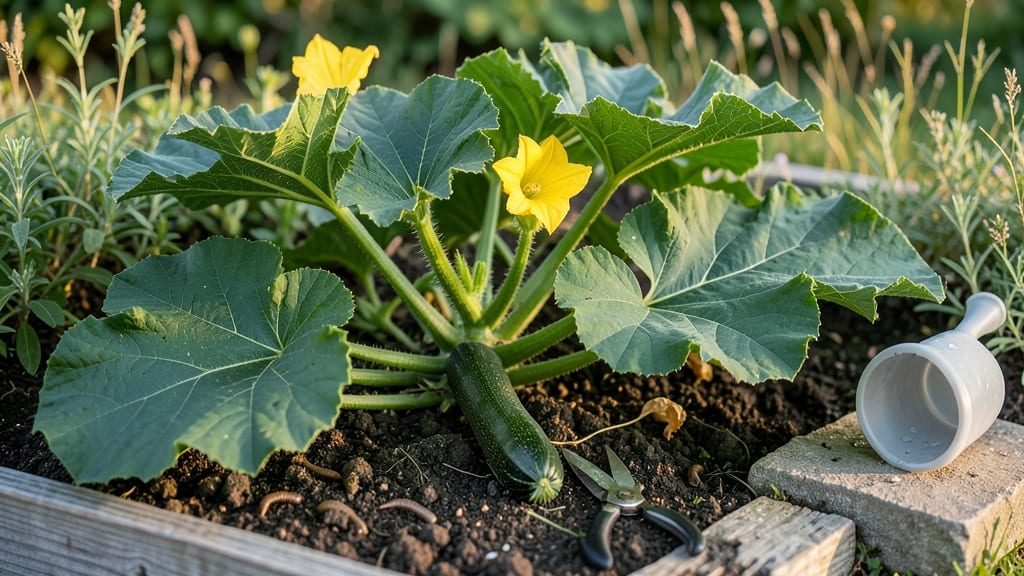
This summer squash, the Black Beauty zucchini, will transform your garden into a lush, edible masterpiece—just wait for the glossy, dark green fruits to appear. 🌱 I’ve grown this variety for years, and it’s my go-to for its reliability—once established, it produces 10-15 squash. per plant within weeks of flowering.
The key isn’t just planting; it’s timing, spacing, and knowing when to step back and let nature do the work.
Start seeds indoors 4-6 weeks before your last frost, then transplant when soil reaches 60°F and nighttime temps stay above 55°F. Black Beauty thrives in full sun (6-8 hours daily) and well-draining soil rich in compost—think 2-3 inches of organic matter mixed into the top 12 inches.
Space plants 2-3 feet apart to prevent crowding, which leads to disease and stunted growth. Pests like squash bugs and cucumber beetles love this variety, so scout early and use row covers if needed.
Water deeply 1-2 times per week, aiming for 1-1.5 inches total, and keep soil consistently moist but not soggy. A balanced fertilizer (10-10-10) at planting and again when flowers appear boosts production.
The real magic happens when you harvest regularly—squash grow fast, and letting them overmature turns your prize plants into vines. Check for 6-inch fruits and snip with pruners to encourage more blooms.
Black Beauty’s dark, almost black skin and blocky shape make it stand out in any garden. It’s also heat-tolerant, so it keeps producing even when temps climb. The first harvest arrives in 45-55 days, and with proper care, you’ll enjoy fresh squash until frost.
Save seeds from your healthiest plants for next year—this variety grows true, meaning the next generation will be just as bold.
📚 In This Guide
- What you need
- Instructions
- Tips and common mistakes
- Wrapping up and next steps
What you need
- ● Black Beauty zucchini seeds – 3–5 seeds per plant (or 1–2 seedlings if starting with transplants).
- ● Well-draining potting mix or garden soil – Rich in organic matter (compost or aged manure works great!).
- ● Containers or garden bed – At least 12–18 inches deep and wide per plant (or a 5-gallon pot minimum).
- ● Fertilizer – Balanced 10-10-10 or compost tea for nutrient boost.
- ● Watering can or hose with a gentle spray nozzle – Zucchini loves moisture but hates soggy roots!
- ○ Mulch (optional but recommended) – Straw or shredded leaves to retain moisture and suppress weeds.
- ● Garden trowel or transplanting spade – For digging holes or containers.
- ○ Gloves (optional) – Protects hands from soil and prickly stems.
- ● Pruning shears – To harvest and trim excess growth.
- ○ Row cover or shade cloth (optional) – For early planting or pest protection.
- ○ Trellis or stakes (optional) – If you want to grow vining varieties vertically!
- ● Sunlight – Full sun (6–8 hours daily).
- ● Warm soil – Plant after the last frost when soil is at least 60°F (15°C).
- ● Patience – Germination takes 5–10 days in ideal conditions!
Step-by-step instructions for planting and cultivating Black Beauty zucchini
Here’s my foolproof method for growing this heavy-yielding variety—perfect for gardeners who want bold harvests with minimal fuss.
🌱 Step 1: Select and Prepare the Planting Site
Black Beauty zucchini thrives in full sun (at least 6-8 hours daily) and well-draining soil with a pH between 6.0 and 7.0. Choose a spot where cucurbits haven’t grown in the past 3 years to prevent disease buildup. I always amend the soil with 2-3 inches of compost mixed into the top 6-8 inches—this boosts fertility and improves moisture retention.
If your soil is heavy clay, add sand or perlite to improve drainage. Work the amendments in 2 weeks before planting so they integrate fully. You’ll know the soil is ready when it crumbles easily between your fingers—no clumps should form when damp.
🌱 Step 2: Plant Seeds or Transplants at the Right Time
Start seeds indoors 2-3 weeks before your last frost date or sow directly in the garden after soil warms to 60°F. For direct sowing, plant 1-2 seeds per hill at a depth of 1 inch, spacing hills 3-4 feet apart. Black Beauty grows large, so crowding leads to disease and poor air circulation.
If using transplants, harden them off for 7-10 days before moving to the garden. Plant at the same depth they grew in containers, then water deeply to settle the soil. I like to add a handful of balanced fertilizer (10-10-10) at planting to give seedlings a nutrient boost.
☀️ Step 3: Provide Consistent Water and Mulch
Zucchini needs 1-2 inches of water weekly, delivered at the soil level—not overhead. Use a soaker hose or drip irrigation to keep leaves dry, which prevents powdery mildew. Water in the morning so foliage dries quickly. You’ll see yellowing leaves if underwatered or mushy stems if overwatered.
Apply 2-3 inches of organic mulch (straw or shredded leaves) around plants to retain moisture and suppress weeds. Keep mulch 2 inches away from stems to prevent rot. I also side-dress with compost mid-season to sustain growth—just scratch it into the top inch of soil around the base.
✂️ Step 4: Monitor for Pests and Harvest Regularly
Watch for squash vine borers (look for sawdust-like frass near stems) and cucumber beetles (yellow and black striped pests). Handpick beetles early in the day when they’re sluggish, and wrap stems with aluminum foil to deter borers. If mildew appears, spray with neem oil at dusk.
Harvest zucchini when 6-8 inches long—they’ll turn woody and bitter if left on the vine. Use a sharp knife or pruners to cut stems cleanly. I pick every 2-3 days in peak season to encourage more production. Store harvested squash in the fridge for up to 1 week or use immediately for fresh recipes.
🌿 Step 5: Extend the Season with Fall Care
As temperatures drop below 50°F, zucchini growth slows. To prolong harvests, cover plants with frost cloth on cool nights. Remove all foliage after the first frost and compost it—don’t leave diseased plants in the soil. Rotate next year’s planting spot to break disease cycles.
Save seeds from your best-performing plants for next season! Let a few squash mature fully on the vine, then scoop out seeds, rinse, and dry them on a screen. Store in a cool, dark place for up to 3 years. This variety is so productive, you’ll want to share seeds (and zucchini!) with neighbors.
Tips & tricks for perfect Black Beauty zucchini growth
These game-changing insights will help you maximize your Black Beauty zucchini harvest with minimal effort.
Soil Prep Secret: The 2-week waiting period before planting isn't just about letting amendments integrate—it's about transforming your soil's microbial ecosystem. I test soil readiness by squeezing a handful: if it crumbles like cookie dough, it's perfect. For heavy clay soils, mix in equal parts sand and perlite to the top 6 inches, not just the surface. This creates those tiny air pockets roots love, preventing waterlogging that leads to rot.
Planting Precision: When sowing those 1-2 seeds per hill, space them 1 inch apart within the hill—this gives you a backup if one fails to germinate. I mark planting spots with small sticks to avoid overcrowding, since Black Beauty's sprawling habit needs that 3-4 feet spacing. Pro tip: Plant seeds slightly deeper (up to 1.5 inches) in sandy soils to prevent drying out during germination.
Watering Wisdom: That 1-2 inches weekly measurement assumes average rainfall—track your local precipitation and adjust accordingly. I use a rain gauge to monitor, and when we hit drought conditions, I increase to 3 inches weekly delivered through soaker hoses. The morning watering rule is non-negotiable: wet leaves overnight create the perfect environment for fungal spores to thrive.
Harvesting Hack: The 6-8 inch size guideline is flexible—harvest when squash feel firm but still have that slight give when pressed. I check plants every morning during peak season because zucchini can grow 2 inches overnight. Use a serrated knife for clean cuts that heal faster, and always leave 1 inch of stem attached to prevent rot and maintain plant health.
Pro Tips for Summer Squash Black Beauty Zucchini
- These game-changing insights will help you maximize your Black Beauty zucchini harvest with minimal effort.
- Soil Prep Secret: The 2-week waiting period before planting isn't just about letting amendments integrate—it's about transforming your soil's microbial ecosystem.
- Planting Precision: When sowing those 1-2 seeds per hill, space them 1 inch apart within the hill—this gives you a backup if one fails to germinate.
Frequently asked questions
Got questions about growing Black Beauty zucchini? You’re not alone!
Here are answers to the most common ones to help you cultivate a thriving harvest.
When is the best time to plant Black Beauty zucchini?
Plant Black Beauty zucchini seeds after the last frost when soil temperatures reach at least 60°F (15°C). For warmer climates, sow seeds in late spring (March–April). Start indoors 2–3 weeks before transplanting if your growing season is short. Pro tip: Use a soil thermometer to check warmth!
How long does it take for Black Beauty zucchini to mature?
From seed to harvest, expect 45–55 days for Black Beauty zucchini. If you’re transplanting seedlings, count 40–50 days to maturity. Check plants weekly—they grow fast! Warning: Pick them young (6–8 inches) for tender, flavorful squash.
Can I substitute Black Beauty zucchini for other varieties?
Black Beauty is a classic dark green, cylindrical zucchini, but you can swap it for Yellow Crookneck, Patio Star, or Eight Ball in most recipes. For baking or spiralizing, stick to straight-neck varieties like Black Beauty—they hold shape better. Try it: Grilled or in fritters!
What pests or diseases should I watch for with Black Beauty zucchini?
Common issues include cucumber beetles (use row covers), squash vine borers (check stems for sawdust-like frass), and powdery mildew (space plants for airflow). Preventative tip: Rotate crops yearly and water at the base to keep foliage dry. Fix it: Neem oil helps with mildew!
How do I know when Black Beauty zucchini is ready to harvest?
Harvest when squash is 6–8 inches long and 1–2 inches wide, with shiny, firm skin. Check for deep color (dark green) and a slightly waxy texture. Use pruning shears to avoid damaging vines. Bonus: Pick frequently to encourage more production! Remember: Overgrown squash gets seedy and tough.
Wrapping up and next steps
There you have it—Black Beauty zucchini is the ultimate summer squash for gardeners craving bold, reliable harvests and versatility in the kitchen! 🌱 With its dark, glossy skin and sweet, tender flesh, this variety is perfect for both beginners and seasoned growers.
Whether you’re tackling pests, optimizing space, or planning your next meal, these tips will set you up for a thriving garden and delicious rewards.
Ready to dig in? Start by grabbing seeds or seedlings this week—your garden (and taste buds!) will thank you. Plant now and enjoy the satisfaction of a homegrown harvest that’s as rewarding as it is delicious!