
Vegetables
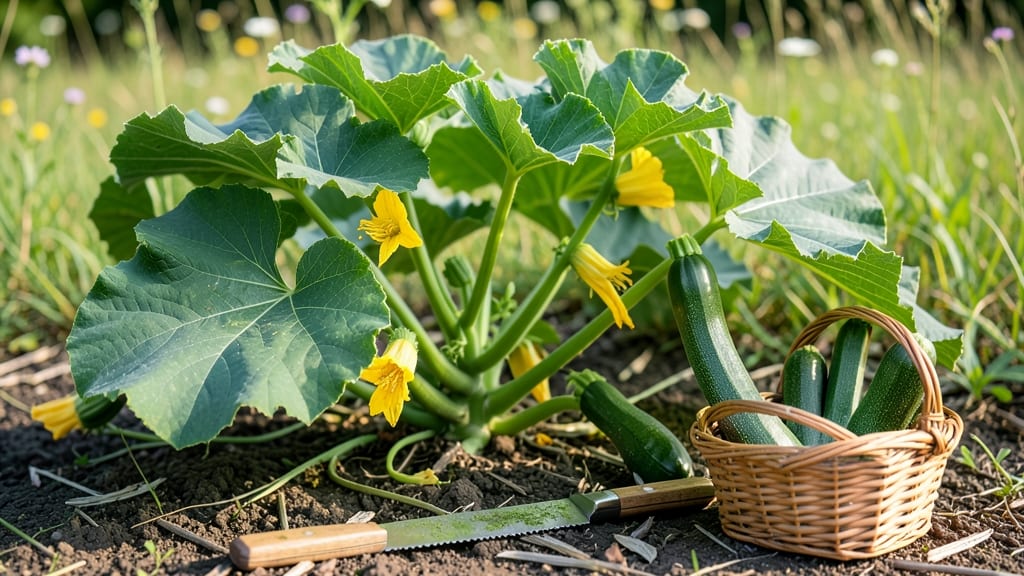
Harvesting zucchini squash at the right time ensures tender, flavorful fruit instead of seedy, bitter disappointment—here’s how to tell when they’re perfect.
Picture this: you’ve been checking your 🎃 plants daily, and now they’re growing faster than you can keep up. That’s your cue to act fast, because zucchini left on the vine too long turn from delicious to tough and woody in a matter of days.
Most gardeners wait until zucchini reach 6 to 8 inches in length, but the real secret lies in the skin’s firmness and the stem’s readiness to snap. I’ll show you the simple finger-nail test and other foolproof signs to avoid overripe squash.
Once you master these tricks, you’ll enjoy a steady supply of summer squash all season—no more ending up with a mountain of giant, unmanageable zucchini by August! Here’s what to look for to keep your harvest at its peak.
The finger-nail test & 3 key signs your zucchini is ready to harvest
Harvesting zucchini at the right moment transforms your garden into a flavor powerhouse. The difference between a tender, sweet squash and a seedy, tough one often comes down to timing and texture.
I’ve learned the hard way—overripe zucchini turns into a bitter, mealy mess that’s nearly unusable, while underripe ones lack the rich, nutty taste we all love.
Don’t worry, though—mastering the finger-nail test and spotting these 3 key visual cues will have you harvesting like a pro. These tricks work for all zucchini varieties, whether you’re growing Black Beauty, Golden Zucchini, or Patio Star.
Let’s dive into the simple, foolproof methods that’ll keep your harvests consistently delicious.
⚠️ NON-NEGOTIABLE: The finger-nail test is your secret weapon. Here’s how to use it—and what to look for—along with the 3 must-check signs before you grab your pruners.
🔍 How to Test Your Zucchini
- 1 Finger-Nail Test: Gently press your thumbnail into the skin near the stem. If it doesn’t dent, it’s ready. If it leaves a mark, wait 1-2 days.
- 2 Stem Separation: The stem should snap easily when you gently twist it. If it resists, it’s not ripe yet. If it pulls away too easily, it’s overripe.
- 3 Blossom End Check: Look at the end opposite the stem. If it’s yellowing or slightly soft, it’s time to harvest. A fully green end means it needs more time.
💡 Pro Tip: Harvest in the morning when temps are cool. This ensures the squash is firm and hydrated, not wilted from daytime heat.
Now that you’ve mastered the finger-nail test, let’s talk about skin texture. The ideal zucchini should feel slightly firm but not rock-hard. Run your fingers over the surface—it should be smooth and slightly glossy, not dull or rough.
A dull skin is a red flag for overripeness, while a bumpy texture often means it’s been left too long on the vine.
Color is another game-changer. While most zucchini are deep green, some varieties like Golden Zucchini turn a vibrant yellow when ripe. Look for consistent color—no pale patches or dark spots. Uneven coloring can signal nutrient deficiencies or sun exposure issues.
If you spot white streaks or yellowing leaves on the plant, it might be time to check your soil pH or fertilizer levels.
One of my biggest mistakes was ignoring the stem separation trick until it was too late. I’d wait until the zucchini was 8 inches long, only to find the seeds were huge and the flesh was stringy. The key is to harvest before the stem detaches naturally.
When you see the stem starting to loosen or the blossom end softening, grab your pruners and cut 1 inch above the fruit to avoid damaging the plant.
Here’s a common pitfall many gardeners make: harvesting by size alone. Sure, a 6-8 inch zucchini is often ideal, but not all varieties follow this rule. For example, Patio Star zucchini can be harvested at 3-4 inches for a tender, baby squash flavor.
Always combine size with the finger-nail test to avoid overripe or underripe surprises.
If you’re growing heirloom varieties, pay extra attention to skin thickness. Thicker-skinned zucchini (like Black Beauty) can handle a slightly longer wait than thinner-skinned types. But no matter the variety, never let zucchini sit on the vine past their prime.
Overripe squash shrivels, develops large seeds, and loses its sweet, tender flavor.
To keep your zucchini plant producing like a champ, harvest every 2-3 days during peak season. This encourages more flowers and prevents overgrowth. I once let my zucchini plant go unharvested for a week, and suddenly, I was drowning in giant, seedy monsters.
The moral? Stay on top of it—your future meals will thank you!
Finally, store harvested zucchini properly to extend its shelf life. Keep them in the fridge crisper drawer for up to 5 days, or freeze them for longer storage. But remember: the fresher you eat them, the better they taste
Zucchini size guide: how big should they be for best flavor?
Harvesting zucchini at the right size ensures peak flavor and tender texture. Most varieties reach ideal maturity between 6-8 inches, but some bush types stay smaller.
Overlooking size cues leads to seedy, tough squash—or wasted effort with underripe ones. Let’s break down the perfect harvest window for every stage.
For standard zucchini varieties like 'Black Beauty' or 'Gold Rush', aim for 6-8 inches long when the skin resists gentle pressure. Smaller than 6 inches means underripe, watery flesh, while anything over 8 inches becomes fibrous and seedy.
Bush varieties like 'Patio Star' often mature at 4-6 inches—check their labels for guidance.
| Size Range | Best For | Flavor Profile | Storage Life |
|---|---|---|---|
| 3-5 inches | Quick pickling, stir-fries | Mild, slightly watery | 1-2 days (refrigerate) |
| 6-8 inches | Roasting, grilling, baking | Sweet, tender, peak flavor | 5-7 days (cool, dark) |
| 9-12 inches | Soups, stews, long cooking | Mild, mealy, seedy | 10+ days (cure first) |
| 12+ inches | Fermentation, long-term storage | Strong, bitter, fibrous | Months (cure, freeze, or pickle) |
Harvesting at 6-8 inches delivers the sweetest flavor and best texture for most recipes. This range ensures the flesh stays tender and seed-free, perfect for grilling or spiralizing. If you’re growing heirloom varieties like 'Eight Ball' or 'Straight Eight', they often mature slightly smaller—check seed packets for variety-specific guidance.
For longer storage, let zucchini grow to 9-12 inches and cure them in a cool, dry place for 1-2 weeks. This process thickens the skin, extending shelf life to weeks or months when stored properly.
Overripe zucchini (beyond 12 inches) can still be used for fermented dishes or turned into zucchini bread—just expect a stronger flavor.
Pro tip: Use a sharp knife or pruners to harvest, leaving a 1-inch stem attached. This prevents disease entry and makes transport easier. Check plants every 2-3 days during peak season to avoid missing the sweet spot—zucchini grow rapidly once pollinated!
Remember, regular harvesting encourages more production. If you let zucchini grow too large, the plant may stop flowering and focus energy on seed development. Aim for consistent sizing to keep your harvest flowing all season long.