
Picking
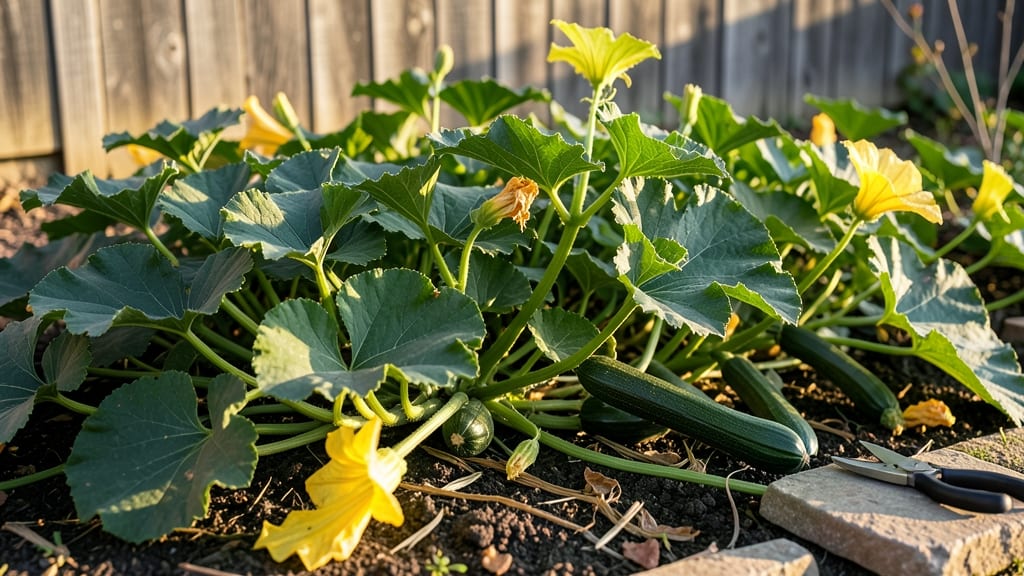
Fordhook zucchini squash thrives where others fail—this cold-hardy variety produces 15-20 pounds of squash per plant even when temperatures dip. 🌱 I’ve grown it for three seasons now, and the difference between Fordhooks and other zucchini is night and day: fewer yellowing leaves, no bolted plants by July, and harvests that keep coming until frost.
The secret starts with rich, well-draining soil (think compost mixed into the top 12 inches) and full sun (6+ hours daily). Plant seeds 1 inch deep, 3 feet apart, and watch for true leaves before thinning to the strongest seedlings.
Unlike finicky varieties, Fordhooks tolerate cooler soil—start seeds indoors 2-3 weeks before your last frost or direct-sow when soil hits 55°F. By mid-summer, you’ll harvest 6-8 inch squash every 3-4 days, and the plants keep producing until hard frost. The flavor?
Sweet, tender, and less seedy than store-bought—perfect for grilling, spiralizing, or stuffing. Even my black thumb can’t kill these, and the bush habit means no trellis hassle. For beginners, the biggest mistake is overwatering (keep soil moist but not soggy) or crowding plants (3 feet apart is non-negotiable).
Watch for squash vine borers—cover young plants with row fabric until they’re established. Once you try Fordhooks, you’ll wonder why you ever grew anything else.
📚 In This Guide
- What you need
- Instructions
- Tips and common mistakes
- Wrapping up and next steps
What you need
- ● Fordhook Green Bush Zucchini Seeds – 1 pack (20-30 seeds) or 5-6 seeds per plant (thin to the strongest seedlings).
- ● Well-draining potting mix or garden soil – Rich in compost (aim for 25-30% organic matter).
- ● Containers or garden bed – Containers: 5-gallon pots or larger (1 per plant) with drainage holes.
- ● Garden bed: Full sun (6-8 hours/day), well-draining soil with a pH of 6.0-7.0.
- ● Fertilizer – Balanced organic fertilizer (10-10-10 or 5-5-5) at planting time.
- ● Compost or aged manure for ongoing soil enrichment.
- ● Watering can or hose with a gentle spray nozzle – Zucchini loves 1-2 inches of water per week.
- ● Gloves and pruning shears – For handling plants and harvesting.
- ● Mulch (straw or shredded leaves) – 2-3 inches thick to retain moisture and suppress weeds.
- ● Row covers or frost cloth – For early planting or late-season protection (Fordhook tolerates light frost!).
- ● Trellis or cages – If you want to grow vertically (though bush varieties don’t need them).
- ● Plant markers – To track your zucchini plants (especially if you’re new to gardening!).
- ● Neem oil or insecticidal soap – For pest prevention (watch out for squash bugs!).
Step-by-Step guide to growing Fordhook green bush zucchini squash
This cold-hardy variety thrives with the right timing and care—here's how to coax a prolific harvest.
🌱 Step 1: Choose the Perfect Planting Window
Fordhook zucchini tolerates cooler soil better than most varieties, but wait until after your last frost date when soil reaches at least 60°F. I plant mine 2-3 weeks before the typical warm-season window—this early start gives them a head start in cooler climates. Test soil temperature with a thermometer or press your hand into the ground; if it feels warm but not hot, it's ready.
For extended harvests, succession plant every 2 weeks until 6 weeks before your first fall frost. This staggered approach ensures a steady supply rather than one overwhelming flush of zucchini. Mark your calendar—Fordhook's vines produce best when daytime temperatures stay between 70-85°F, so avoid planting during heatwaves.
☀️ Step 2: Select and Prepare the Ideal Growing Spot
Fordhook thrives in full sun (6-8 hours daily) and rich, well-draining soil with a pH of 6.0-7.0. Amend your garden bed with 2-3 inches of compost mixed into the top 6 inches of soil before planting. I avoid fresh manure—it can burn tender roots and attract pests. Work the compost in until the soil looks dark and crumbly, like cake batter.
Space plants 2-3 feet apart in rows 4-5 feet apart to allow airflow and prevent powdery mildew. This bush variety stays compact compared to vining types, but crowding invites disease. If your soil drains poorly, build 6-inch-high mounds to improve drainage and prevent waterlogged roots. Fordhook’s cold tolerance makes it ideal for early spring or late fall plantings in zones 3-9.
🌿 Step 3: Plant Seeds or Transplants Correctly
Direct-sow seeds ½ inch deep, 2-3 seeds per hill, since germination rates vary. Fordhook seeds germinate best in 70-85°F soil—use a seedling heat mat if your spring is chilly. Keep soil consistently moist (not soggy) until sprouts appear in 5-10 days. Thin to the strongest seedling per hill when they reach 2 inches tall; snip the others at soil level to avoid disturbing roots.
For transplants, bury them deeper than the pot—up to the first true leaves. This encourages stronger root systems. Water deeply at planting to settle soil around roots, then mulch with 2-3 inches of straw to retain moisture and suppress weeds. Fordhook’s bush habit means no trellising, but a light hoop or cage helps support fruits if needed in windy areas.
💧 Step 4: Water and Fertilize for Maximum Yield
Zucchini are thirsty plants—water 1-2 inches per week, aiming for deep, infrequent watering rather than daily shallow drinks. I water at the base in the early morning to reduce fungal risks. Let the top 1-2 inches of soil dry between waterings; wilting leaves signal it’s time to hydrate. Overhead watering can spread disease, so use a soaker hose or drip irrigation.
Feed plants every 2-3 weeks with a balanced 10-10-10 fertilizer or compost tea once they start flowering. Fordhook responds well to side-dressing with nitrogen (like blood meal) mid-season to boost leafy growth. Stop fertilizing 4 weeks before harvest to avoid bitter fruit. Watch for yellowing leaves—this often means overwatering or nutrient imbalance, not necessarily a pest problem.
✂️ Step 5: Harvest and Maintain for Continuous Production
Harvest when fruits are 6-8 inches long for peak flavor and tenderness. Use a sharp knife or pruners to cut stems, leaving a ½-inch stub to prevent disease entry. Check plants every 2-3 days—zucchini grow rapidly, and overripe fruit saps energy from new blooms. I harvest in the morning when fruits are cool and crisp.
Remove any yellowed or diseased leaves immediately to improve airflow. Fordhook’s bush form makes it easy to spot hidden pests like squash bugs—crush eggs on the undersides of leaves weekly. If birds or squirrels target your harvest, cover plants with floating row fabric during peak ripening. With proper care, one plant yields 8-12 zucchini per week throughout the season.
Tips & tricks for growing Fordhook zucchini squash
Here's what nobody tells you about maximizing your Fordhook zucchini harvest—these tricks come from years of trial and error in my own garden.
Soil Temperature Secret: That 60°F minimum soil temperature in Step 1 is non-negotiable, but here's the trick: use a seedling heat mat if your spring is chilly. I've seen germination rates drop dramatically when soil stays below 70°F—the seeds need warmth to break dormancy. Plant in black plastic mulch to raise soil temperature by 5-10°F if needed. The 70-85°F range for germination creates the perfect environment for those little sprouts to emerge consistently.
Composting Wisdom: When amending your soil with 2-3 inches of compost in Step 2, don't just dump it on top. Work it into the top 6 inches of soil to create a nutrient-rich zone where roots will thrive. I like to mix in a handful of kelp meal (optional) for extra trace minerals that boost plant resilience. The goal is soil that looks dark and crumbly—like cake batter—as mentioned, but with better drainage than regular garden soil.
Watering Technique: The 1-2 inches per week guideline in Step 4 is perfect, but timing matters more than you'd think. Water in the early morning gives leaves time to dry before evening humidity sets in, reducing fungal risks. I use a soaker hose buried slightly in the soil to deliver water directly to roots while keeping foliage dry. This method also prevents soil compaction that can occur with overhead sprinklers.
Harvesting Hack: Those 6-8 inch zucchini in Step 5 are sweetest when harvested in the morning after the dew has dried. Use a sharp knife or pruners and cut cleanly—leaving a ½-inch stub prevents disease entry points. Here's my secret: harvest every 2-3 days religiously, and your plants will produce continuously. I mark my calendar with harvest reminders because zucchini grow so fast you can miss the perfect window if you're not paying attention.
Pro Tips for Fordhook Zucchini Squash
- Here's what nobody tells you about maximizing your Fordhook zucchini harvest—these tricks come from years of trial and error in my own garden.
- Soil Temperature Secret: That 60°F minimum soil temperature in Step 1 is non-negotiable, but here's the trick: use a seedling heat mat if your spring is chilly.
- Composting Wisdom: When amending your soil with 2-3 inches of compost in Step 2, don't just dump it on top.
Frequently asked questions
Got questions about growing Fordhook Zucchini? You’re not alone! Here are answers to the most common queries to help you grow a thriving harvest with ease.
How long does it take for Fordhook zucchini to produce fruit?
Fordhook zucchini typically starts producing fruit 45–55 days after transplanting (or 50–60 days from direct sowing). With consistent warmth and care, you’ll see blooms followed by tender squash in just a few weeks! Pro tip: Harvest regularly to encourage more production.
Can Fordhook zucchini survive frost?
While Fordhook is cold-hardy (tolerating light frosts down to 25°F), it’s best to protect plants with row covers or transplant after the last frost. Young seedlings are especially vulnerable—wait until soil is at least 55°F for optimal growth.
What’s the best way to tell when Fordhook zucchini is ripe?
Harvest when squash are 6–8 inches long, firm to the touch, and still glossy (not dull). Overripe zucchini becomes seedy and woody—check plants every 2–3 days during peak season! Fun fact: Smaller squash taste sweeter.
Can I grow Fordhook zucchini in containers?
Yes! Fordhook thrives in 5-gallon containers or larger with well-draining soil. Ensure the pot has drainage holes and place it in full sun (6+ hours/day). Dwarf varieties or bush types work best—avoid overcrowding to prevent disease.
What pests commonly attack Fordhook zucchini, and how do I prevent them?
Watch for cucumber beetles, squash bugs, and aphids. Use row covers early, handpick pests, or spray with neem oil. Prevention tip: Rotate crops yearly and remove plant debris to deter overwintering pests.
What can I substitute if I can’t find Fordhook seeds?
Look for other bush-type zucchini like ‘Black Beauty’ or ‘Eight Ball’—they’re similar in size and productivity. If you prefer vining varieties, ‘Straight Eight’ or ‘Gold Rush’ are great alternatives. Just check seed packets for days to maturity to plan accordingly!
Wrapping up and next steps
The Fordhook Zucchini is a cold-hardy, high-yielding superstar for home gardens—perfect for both beginners and seasoned growers! 🌱 Its resilience, prolific harvests, and versatility in the kitchen make it a must-try. Whether you're canning, grilling, or whipping up a fresh salad, this squash delivers flavor and abundance.
Ready to grow your own bounty? Start by gathering your supplies, prep your garden bed, and plant your seeds or seedlings this season. Happy gardening—and enjoy the delicious rewards of your labor! 🍽️✨