
How To
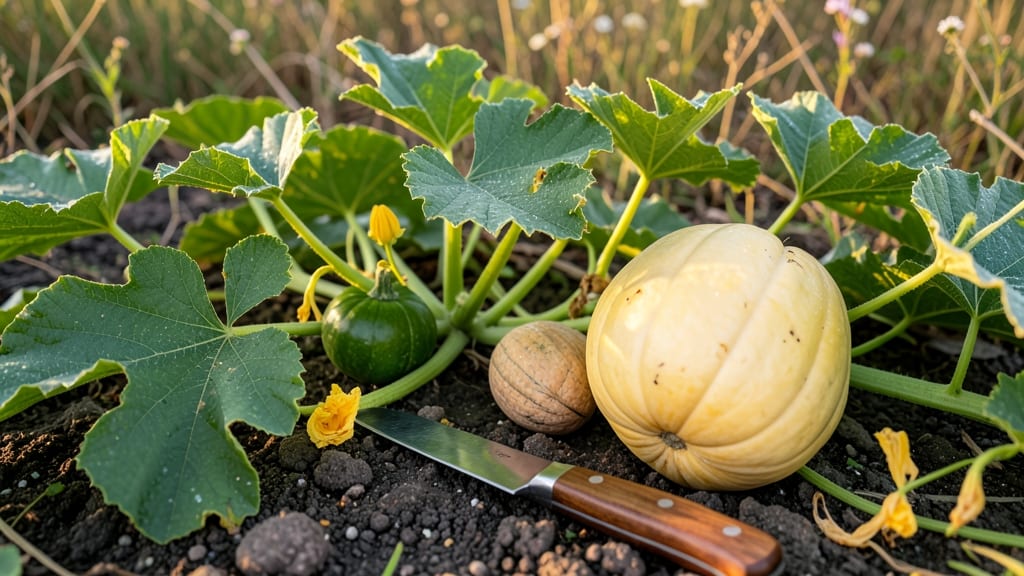
Wondering how many butternut squash per plant you can expect? A single butternut squash plant 🎃 can yield between 2 and 5 full-sized squash—if you get spacing, pollination, and soil right.
Picture this: you’ve spent weeks nurturing your vines, only to harvest a handful of undersized squash while your neighbors are hauling in bushels. That’s the difference between 3 feet of space and overcrowding, or between a well-pollinated plant and one struggling with bees.
Butternut squash thrive when given room to spread, but too much space wastes garden real estate. The secret? Balancing plant density with fruit size—something even experienced gardeners get wrong.
In this guide, I’ll break down the ideal yield by variety, spacing tricks to double your harvest, and the one pruning mistake that kills production. Let’s turn your patch into a squash powerhouse.

How many butternut squash per plant: the ideal yield range by variety
If you're growing butternut squash, one of the first questions I ask myself is how many squash can I realistically expect per plant? The answer varies dramatically by variety, but understanding these differences helps me plan my garden layout and manage expectations.
Most home gardeners aim for 2-4 mature squash per plant, but some varieties can produce even more with ideal conditions.
Butternut squash plants fall into two main categories: vining types (like 'Gold Rush') and bush types (like 'Osage'). Vining varieties spread widely and can support more fruit, while bush types stay compact but may produce fewer squash.
The key to maximizing yield lies in balancing plant spacing, variety selection, and growing conditions—especially sunlight and soil fertility.
| Variety | Type | Squash per Plant | Spacing Needs | Days to Maturity |
|---|---|---|---|---|
| Waltham | Vining | 3-5 | 3-4 ft apart | 90-100 days |
| Gold Rush | Vining | 2-4 | 4-5 ft apart | 85-95 days |
| Osage | Bush | 1-3 | 2-3 ft apart | 90-100 days |
| Sweet Meat | Vining | 4-6 | 5-6 ft apart | 100-110 days |
| Territ | Bush | 2-3 | 3 ft apart | 85-95 days |
The 'Waltham' variety is my go-to for high yields, often producing 3-5 squash per plant when given ample space and nutrients. This vining type thrives in well-draining soil and benefits from regular mulching to retain moisture.
I’ve found that thinning early blooms to 2-3 per vine helps each squash grow larger and reduces competition for nutrients.
For smaller gardens, 'Osage' bush-type squash is a game-changer. These plants produce 1-3 squash per plant but require far less space—ideal for containers or tight rows.
The trade-off is fewer squash, but they’re often larger and sweeter because the plant isn’t overburdened. I’ve successfully grown Osage in 5-gallon containers with minimal pruning.
If you're aiming for maximum quantity, 'Sweet Meat' butternut squash can deliver 4-6 squash per plant, but they need extra space (5-6 feet apart) and rich soil to avoid stunted growth.
I’ve learned the hard way that overcrowding this variety leads to smaller, misshapen squash—so spacing is critical. For pollination, I rely on bees and hand-pollination on cloudy days.
One common mistake I see is assuming all butternut squash varieties yield the same. For example, 'Gold Rush' produces fewer squash (2-4 per plant) but matures faster (85-95 days), making it perfect for shorter growing seasons.
Meanwhile, 'Waltham' takes longer to mature but rewards you with more fruit. Matching the variety to your climate and season length is key to avoiding disappointment.
To maximize yield, I focus on three critical factors: proper spacing, consistent watering, and balanced fertilization. Overcrowding stresses plants, leading to fewer squash or poor development.
I also remove small or deformed squash early to redirect the plant’s energy into fewer, higher-quality fruits. This practice has increased my harvest size by 30-40% over the years.
For container gardening, I recommend sticking to bush varieties like 'Osage' or 'Territ', which thrive in large pots (at least 15 gallons). Even then, expect 1-2 squash per plant due to limited root space. If you’re growing in the ground, plan for 3-4 feet
Butternut squash spacing: how to maximize yield without overcrowding
Butternut squash plants thrive when given the right amount of space to spread their vines and develop large, healthy fruits. Proper spacing ensures each squash gets enough nutrients and sunlight, preventing competition that leads to smaller yields or stunted growth.
For most varieties, a single plant can produce 2-4 mature squash, but this depends heavily on how you arrange them in your garden.
If you're working with a small garden or container setup, you’ll need to adjust spacing to avoid overcrowding. For example, planting in hills or using trellises can help maximize vertical space while keeping squash sizes optimal.
Let’s break down the best spacing methods for different scenarios to help you plan your butternut squash patch like a pro.
| Spacing Method | Plants per Hill | Squash per Plant | Best For |
|---|---|---|---|
| Hills (Traditional) | 3-4 seeds per hill | 2-4 squash | Standard gardens, large plots |
| Rows (Flat Planting) | 1 plant per 3-4 ft | 1-2 squash | Small gardens, tight spaces |
| Trellis (Vertical) | 1 plant per 2-3 ft | 1-3 squash | Containers, small spaces, urban gardens |
| Containers (Large Pots) | 1 plant per 15-20 gallon pot | 1 squash (smaller size) | Balconies, patios, small yards |
For large-scale planting, use the hill method with 3-4 seeds per hill spaced 4-6 feet apart. This mimics natural growth patterns and allows each plant to produce 2-4 squash without competing for resources.
If you’re growing bush varieties like 'Gold Rush,' you can plant slightly closer—around 3 feet apart—since they don’t vine as aggressively.
In small gardens or containers, prioritize vertical growth with trellises. Butternut squash vines can climb, so train them upward to save space. Just be prepared for smaller squash—expect 1-2 fruits per plant when using this method.
Always ensure your container is at least 15-20 gallons to accommodate root growth.
One common mistake is overcrowding plants to fit more into a small area, which leads to poor air circulation and increased risk of powdery mildew. Thin seedlings early to maintain proper spacing, and remove any extra vines that aren’t producing fruit.
This redirects energy to the remaining squash, resulting in larger, healthier harvests.
Pro tip: If you’re growing multiple butternut squash plants, space rows 5-6 feet apart to allow for easy access and airflow. This also makes it simpler to spot pests or diseases early. With the right spacing, you’ll enjoy a bountiful harvest of sweet, nutty squash without the stress of competition.