
Planting
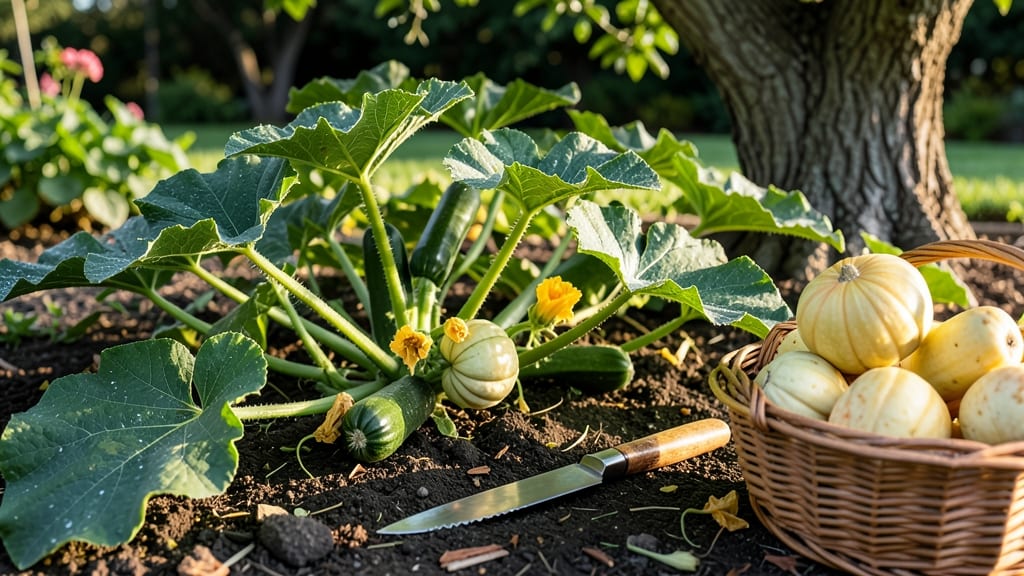
A single summer squash 🎃 plant can produce between 2 and 10 pounds of fruit per season, depending on the variety and growing conditions—but most gardeners miss out on the higher end by overlooking a few key factors.
Picture this: you’re checking your garden in late July, expecting a handful of zucchini, only to find a pile of overripe squash crowding out new blooms. That’s because yield isn’t just about the plant—it’s about spacing, pollination, and even when you start harvesting.
Bush varieties like ‘Black Beauty’ typically yield 4–6 squash per plant, while vining types such as ‘Yellow Crookneck’ can produce 10–12 if given enough room and proper care. The secret? Spacing plants 3–6 feet apart and pruning to encourage airflow and pollinators.
In this guide, I’ll break down exactly how many squash to expect from your favorite varieties, plus pro tips to maximize your harvest—so you’re not left with a garden full of oversized squash by August.

Summer squash yield by variety: how many fruits to expect per plant
If you've ever wondered how many summer squash a single plant can produce, the answer varies wildly depending on the variety. Some bush types like zucchini can yield 8-12 fruits per plant, while vining varieties such as yellow crookneck may produce 4-8 fruits but spread farther.
Understanding these differences helps you plan your garden layout and maximize your harvest.
Summer squash plants are prolific producers, but their yield depends on factors like genetics, spacing, and growing conditions. For example, pattypan squash often produces fewer fruits per plant (around 3-6) but focuses on larger, unique-shaped squash.
Meanwhile, straightneck varieties can produce 6-10 fruits per plant with consistent care.
Below is a breakdown of expected yields for popular summer squash varieties, including bush vs. vining types, to help you choose the best options for your garden space and goals.
As you can see, bush varieties like zucchini and straightneck tend to produce more fruits per plant, making them ideal for smaller gardens where space is limited. These plants focus their energy on producing a high volume of squash rather than spreading out.
In contrast, vining types like yellow crookneck and scalloped acorn prioritize fewer, larger fruits but require more room to sprawl.
To maximize yield, ensure your summer squash plants receive 6-8 hours of sunlight daily and are planted in well-draining soil rich in organic matter.
Proper spacing is critical: bush varieties need 3-4 feet apart, while vining types should have 4-6 feet of space to prevent competition for nutrients and reduce disease risk.
Another key factor is consistent watering. Summer squash plants need 1-2 inches of water per week, especially during flowering and fruiting. Watering in the early morning helps prevent fungal diseases like powdery mildew, which can reduce yields.
Mulching around the base of the plant also helps retain moisture and keep roots
Optimal spacing and planting tips to maximize summer squash production
Proper spacing is the secret weapon for summer squash yields.
When you plant summer squash 3-6 feet apart, each plant gets the room it needs to thrive, reducing competition for nutrients and sunlight. Overcrowding leads to fewer fruits and poor-quality squash, while ideal spacing boosts production by up to 50%.
For bush varieties like zucchini, stick to 3-4 feet between plants, while vining types (like yellow crookneck) need 4-6 feet to sprawl comfortably.
Beyond spacing, companion planting can work wonders. Pair your squash with bush beans or marigolds to deter pests like squash bugs, while nasturtiums act as trap crops for aphids. Avoid planting near potatoes or fennel, as they stunt squash growth.
Trellising vining varieties also saves space—train them vertically to free up garden real estate while improving airflow and reducing disease risk.
- 1
- 2
- 3
- 4
To extend your harvest, use succession planting. Start with your first batch in early spring (after the last frost), then sow new seeds every 2 weeks until mid-summer.
This staggered approach ensures a continuous supply of fresh squash. For longer harvest windows, choose early-maturing varieties like 'Early Prolific' (50 days) alongside later varieties like 'Straightneck' (60 days).
Don’t forget to prune excess flowers if your plant is overloaded. When a squash plant produces more flowers than it can support, it spreads its energy thin, resulting in smaller fruits.
Remove 2-3 flowers per plant weekly to redirect energy to existing squash, ensuring they grow larger and faster. Hand-pollinate flowers in cool or rainy weather by gently transferring pollen with a small paintbrush.
Mulching is another game-changer. Apply 2-3 inches of straw or grass clippings around the base of your plants to retain moisture, suppress weeds, and keep soil temperatures stable. This simple step reduces watering needs by 30% while preventing soil-borne diseases.
Combine mulching with drip irrigation for even better results—consistent moisture at the roots encourages robust growth and higher yields.
Finally, monitor your plants for overproduction signs, like excessive leaf drop or blossom end rot. If your squash plants are struggling, thin out some fruits to 2-3 per vine to prevent overburdening.
With these spacing and planting tips, you’ll transform your summer squash harvest from meager to magnificent—imagine dozens of plump, flavorful squash per plant by season’s end! 🌱