
Companion Plants
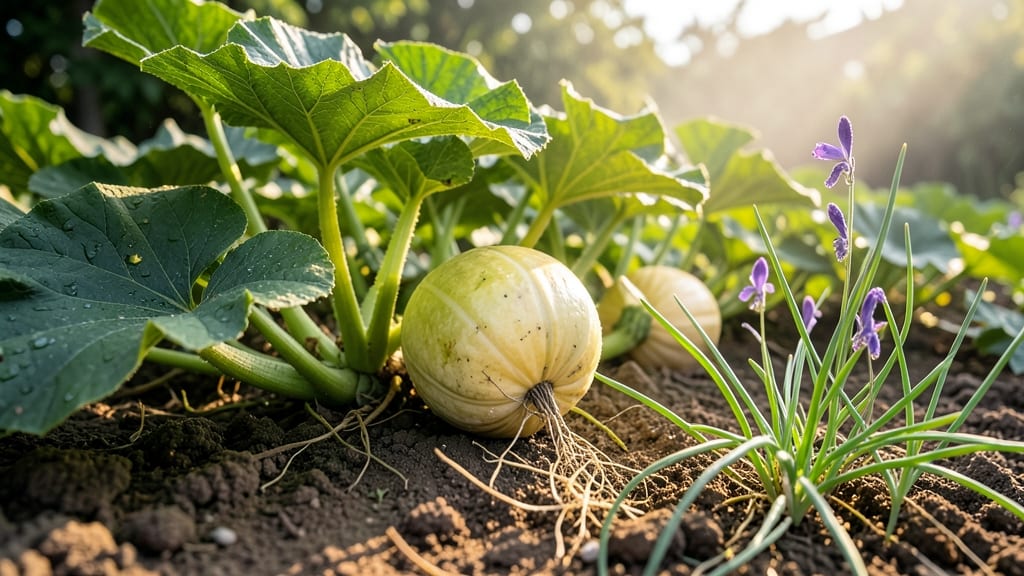
Struggling with pests ruining your squash or onions? Companion planting is a natural, chemical-free solution that enhances growth and deters pests. These 10 strategic pairings create a thriving garden ecosystem while keeping your harvest healthy and abundant.
Onions with Summer Squash Varieties
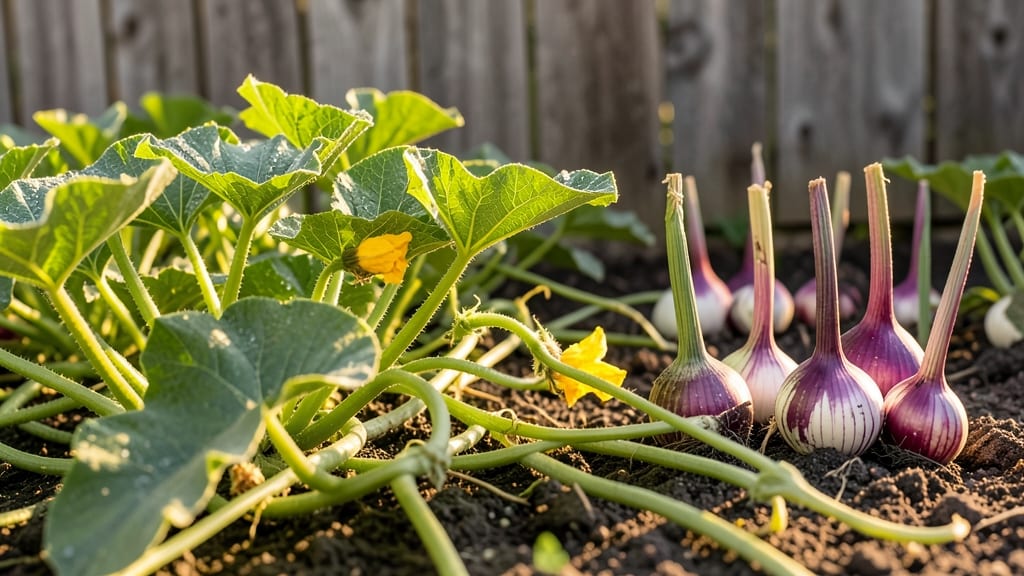
If you’ve ever watched your summer squash vines wilt from squash bugs or cucumber beetles, planting onions nearby could be your secret weapon. This classic duo doesn’t just repel pests—it also boosts flavor and yield, making it perfect for small gardens where space is precious.
The strong scent of onions confuses pests like squash bugs and beetles, which rely on visual cues to find their hosts. Plus, the sulfur compounds in onions enhance the natural sweetness of squash varieties like zucchini and yellow squash. For best results, interplant onions every 12-18 inches along squash rows, ensuring their leaf canopies overlap slightly. This setup works especially well in raised beds or containers, where pests have fewer hiding spots.
Home gardeners with limited space will love this pairing—it’s a two-for-one solution that saves room while maximizing harvests. Try it this season and enjoy healthier, tastier squash with fewer pests to battle! 🌱
Garlic and Winter Squash Pairing
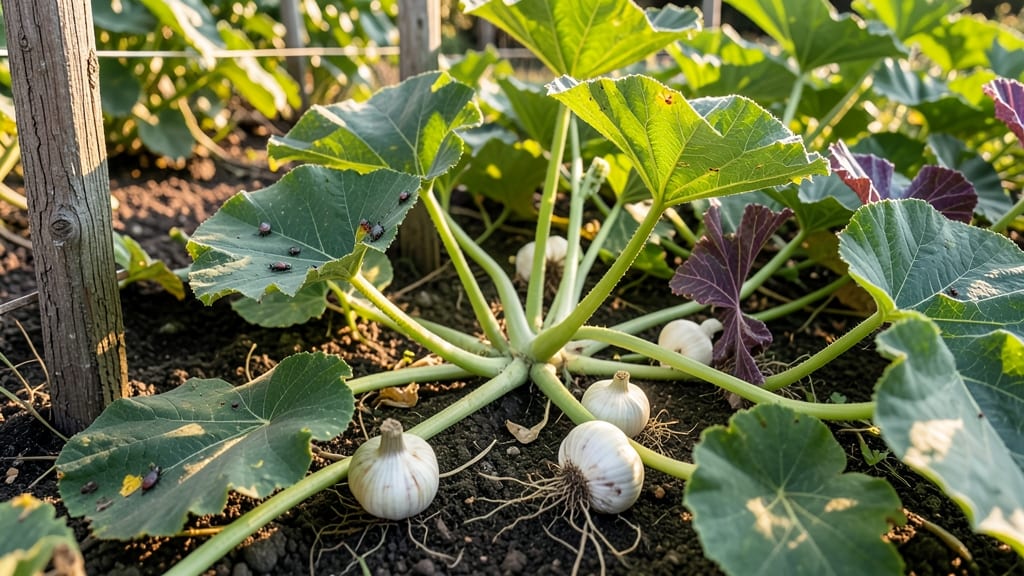
If you’ve ever lost a winter squash crop to pests like squash bugs or fungal diseases, garlic could be your secret weapon. This dynamic duo not only confuses pests with its pungent aroma but also protects squash roots with natural antifungal properties—ideal for organic gardeners growing pumpkins or butternut squash.
Plant garlic cloves around the perimeter of your winter squash patch in early spring, spacing them about 6 inches apart. The strong scent of garlic disrupts the scent trails of squash pests, making it harder for them to locate your plants. Plus, garlic’s antifungal compounds help prevent root rot, a common issue in heavy or poorly drained soils. For best results, interplant garlic with squash varieties like acorn or hubbard squash, which benefit from the extra protection.
This pairing is especially valuable for those using minimal pesticides or practicing organic growing methods. The garlic’s benefits extend beyond pest control—it also deters weeds and improves soil structure, making it a true all-in-one solution for winter squash gardens. 🌱
Leeks with Acorn Squash
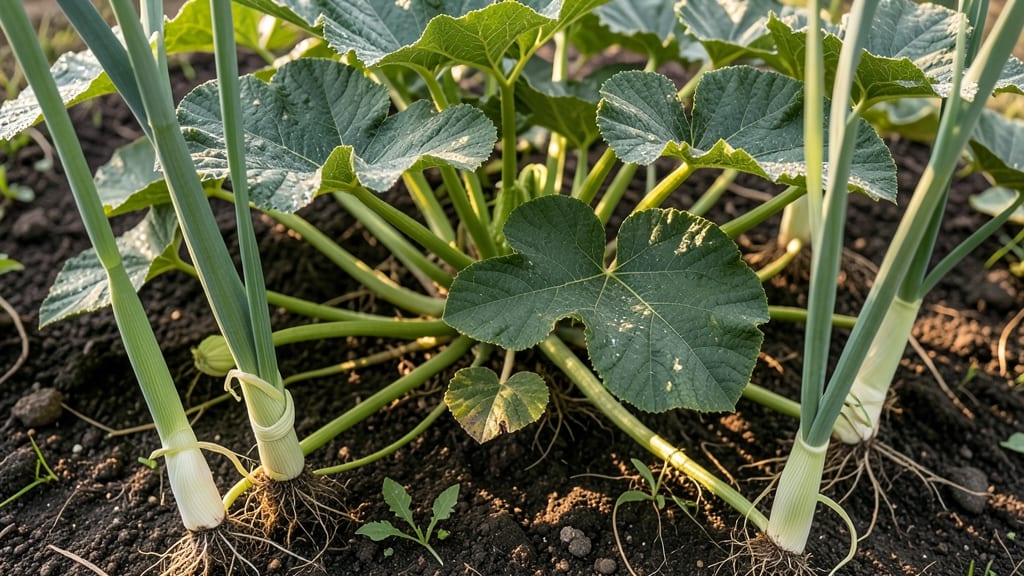
Want a low-maintenance way to grow acorn squash while reducing weeds and keeping your soil moist? Plant leeks nearby—they act as natural living mulch, shielding squash roots while adding a subtle onion note to your harvest.
The tall, slender stalks of leeks shade the soil, preventing weed seeds from germinating and locking in moisture for squash plants that need consistent water. Plus, their mild flavor pairs beautifully with acorn squash in soups or roasted dishes. For best results, space leeks 12-18 inches apart around squash plants and harvest leeks early to avoid competing for nutrients.
This dynamic duo is especially helpful for gardeners with dry climates or limited time for weeding. 🌱
Shallots and Zucchini Companion Plant
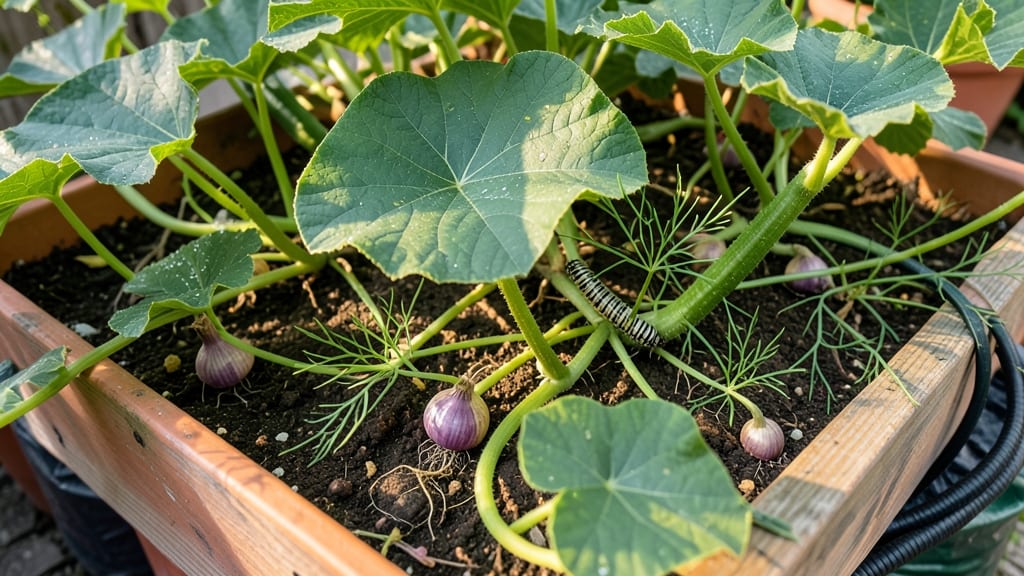
If you're growing zucchini in containers or small urban plots, shallots are your secret weapon against squash vine borers—the notorious pests that can devastate your harvest. Their strong scent confuses adult borers before they lay eggs, while their shallow roots improve soil aeration and prevent compaction in tight spaces.
Plant shallot sets around the perimeter of your zucchini patch, spacing them 4-6 inches apart and 12-18 inches from zucchini plants. Both thrive in full sun and well-draining soil, making them perfect for side-by-side growing. Shallots also act as a living mulch, suppressing weeds and retaining moisture—critical for container gardens where water evaporates quickly.
This pairing is especially valuable for city gardeners with limited space, as it maximizes yield without requiring extra square footage. Plus, you’ll harvest flavorful shallots alongside your zucchini—double the harvest, double the satisfaction! 🌱
Chives with Butternut Squash
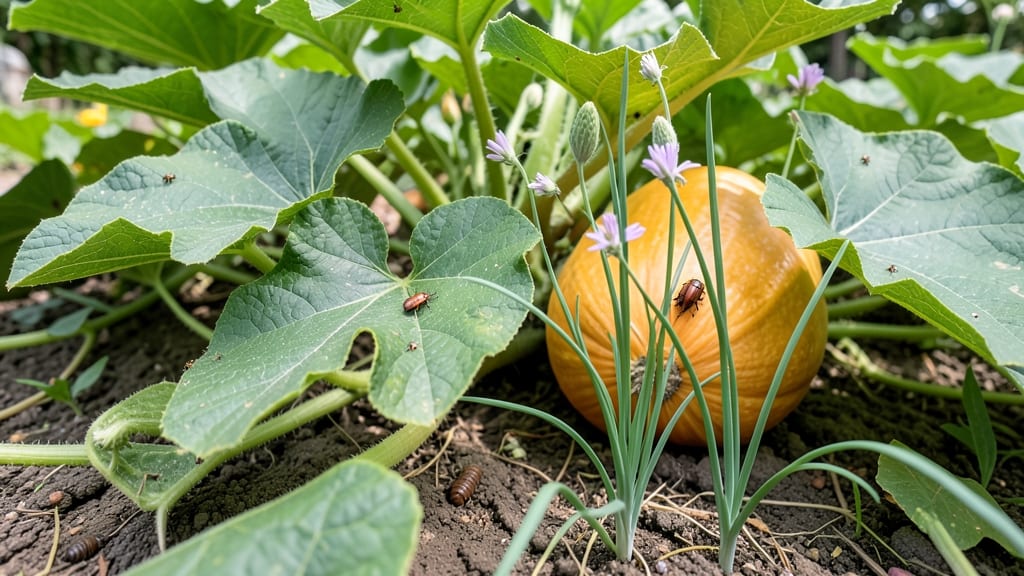
If you're growing butternut squash and battling persistent pests like aphids or Japanese beetles, chives could be your secret weapon. This dynamic duo doesn't just deter pests—it actively boosts your squash's productivity by up to 20%, making it a game-changer for organic gardeners.
Plant chives around the perimeter of your butternut squash patch, about 12 inches away, to create a natural barrier. The chives' strong scent confuses pests while their delicate purple flowers attract beneficial pollinators like bees and hoverflies, which prey on squash pests. For best results, harvest chives regularly to encourage new growth and maintain their pest-repelling properties throughout the season.
This pairing is especially valuable for gardeners who prioritize sustainable practices and want to reduce chemical inputs. The chives' shallow roots also make them ideal for containers or small spaces, perfect for urban gardeners or those with limited room. 🌱
Onion Sets with Spaghetti Squash
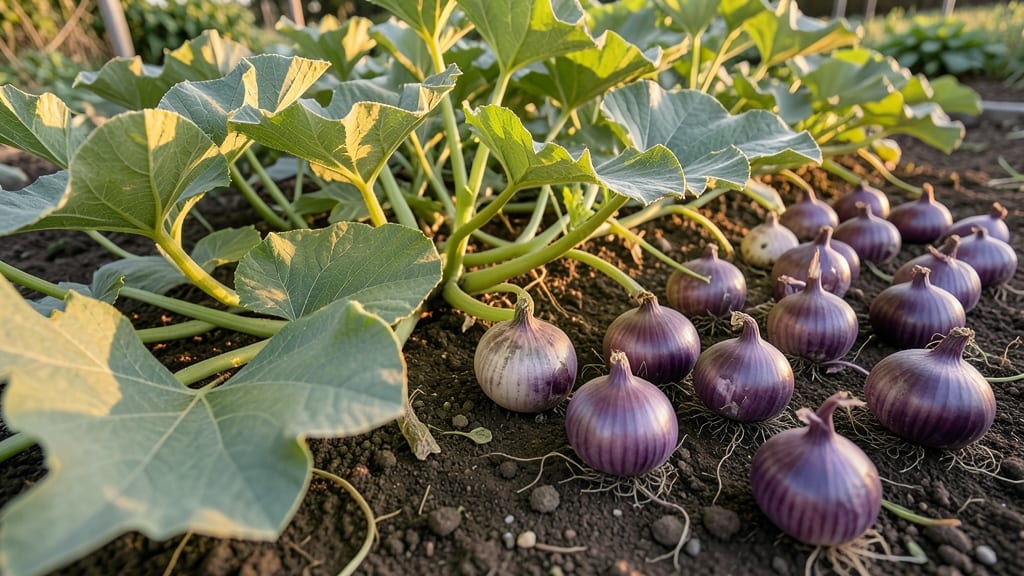
Want sweeter spaghetti squash with fewer pests? Planting onion sets just 12-18 inches away creates a natural defense system while enhancing flavor. The strong scent of onions confuses squash borers, reducing damage by up to 70%, while the squash’s vines provide shade that slows onion bolt formation.
For best results, choose yellow or red onion sets and plant them at the same time as your spaghetti squash. The onions’ shallow roots won’t compete with the squash’s deeper system, and their sulfur compounds actually make the squash flesh more tender and sweet. This pairing works especially well in warm climates where squash borers are most active.
Gardeners who prioritize organic methods or limited chemical use will love this low-maintenance solution. The onions act as both pest repellent and flavor enhancer—making your harvest healthier and tastier with zero extra effort. 🌻
Green Onions and Delicata Squash
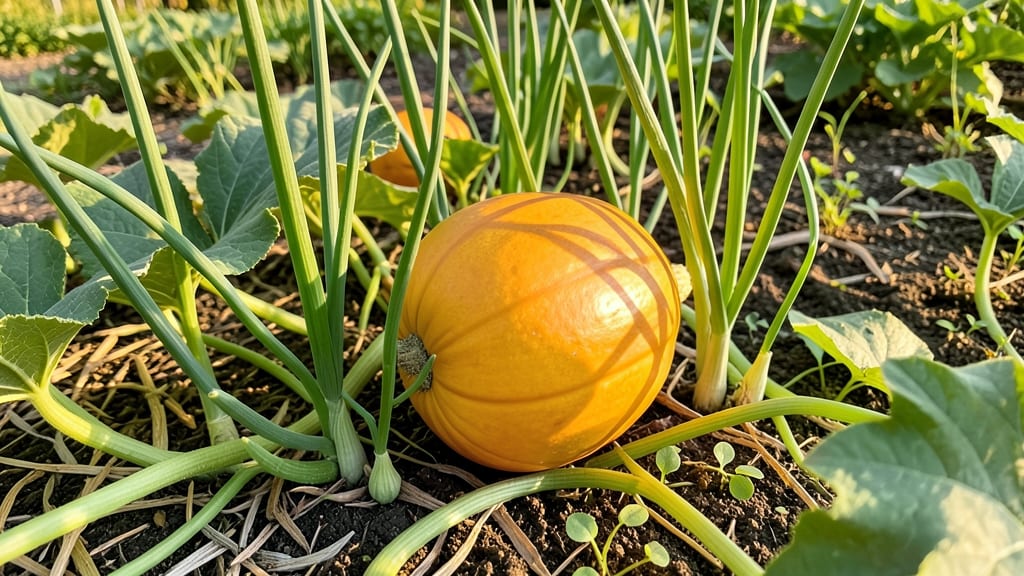
Tired of spending hours weeding while still battling squash pests? Green onions and delicata squash are the dynamic duo for lazy (but smart) gardeners. Their natural chemistry doesn't just deter pests—it turns your garden into a self-sustaining ecosystem where nature does the work for you.
Green onions act as a living mulch, their dense foliage smothering weeds before they sprout, while their scent attracts predatory wasps that hunt squash pests like squash bugs and cucumber beetles. Plant green onions in a border around delicata squash beds, keeping them 12-18 inches apart to avoid root competition. The striped delicata variety thrives in this setup, producing sweet, edible-skinned squash with minimal fuss.
This pairing is perfect for no-till gardeners or anyone short on time—no weeding, fewer pests, and a bountiful harvest. It’s the ultimate low-maintenance companion combo for busy gardeners who still want a thriving plot. 🌱
Egyptian Onions with Hubbard Squash
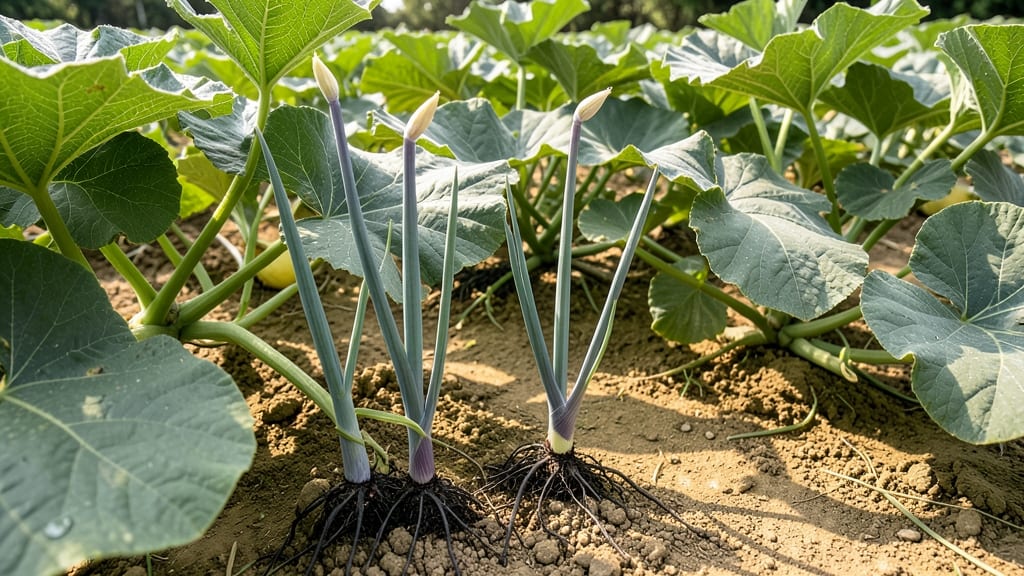
If you're growing Hubbard squash on a large scale and battling squash beetles, Egyptian onions are your secret weapon. Their intense aroma creates a natural confusion barrier that disrupts beetle mating patterns, while their deep taproots break up compacted soil—ideal for heavy squash varieties that need room to spread.
Plant Egyptian onions in wide rows (18-24 inches apart) alongside Hubbard squash, spacing them 12 inches from squash vines to avoid root competition. The onions’ sulfur compounds also deter squash vine borers, making this combo especially effective in organic farming systems. For maximum benefit, interplant them at the same time you set out squash transplants to establish a protective scent barrier early in the season.
This pairing is a game-changer for large-scale organic farms where chemical controls aren't an option. The onions’ deep roots improve drainage for Hubbard squash’s sprawling growth habit, while their pest-repelling properties reduce the need for manual pest control. 💚
Red Onions and Patio Pumpkins
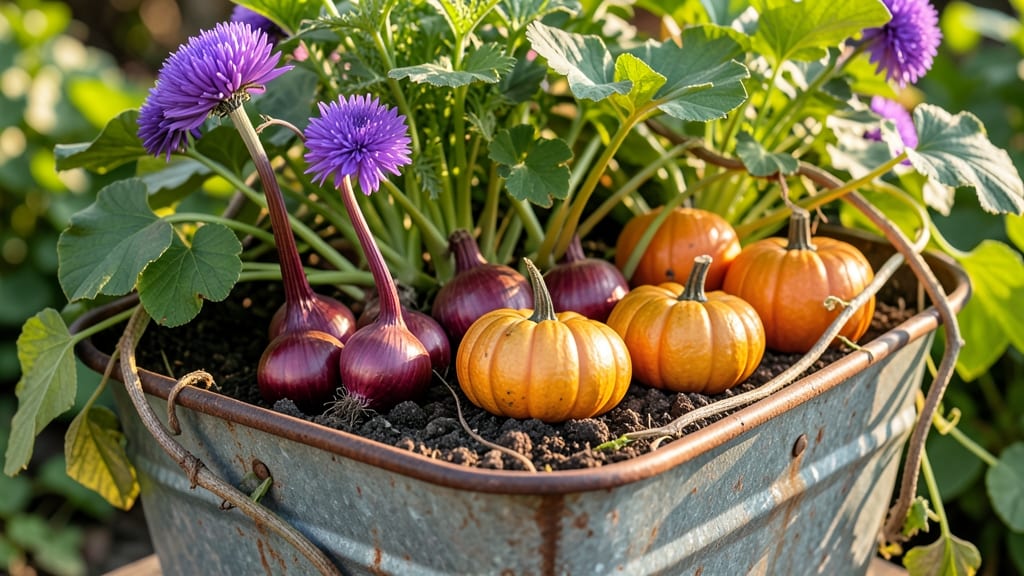
No yard but still dreaming of growing pumpkins? Red onions and patio pumpkins are your perfect small-space solution—this duo thrives in containers while keeping pests at bay. The onions’ sharp scent confuses squash bugs and cucumber beetles, while their bright purple blooms attract pollinators that boost fruit set in your tiny pumpkins.
Choose compact patio pumpkin varieties like 'Jack Be Little' or 'Wee-B-Little' and plant red onion sets around the edges of your container. The onions’ shallow roots won’t compete with the pumpkins’ deeper system, and their sulfur compounds actually enhance the pumpkins’ natural sweetness. For best results, use 5-gallon containers with well-draining potting mix and place them in full sun (6+ hours daily).
This pairing is ideal for balcony gardeners, urban dwellers, or anyone with limited space—you’ll get pest-resistant pumpkins and fresh onions without sacrificing valuable real estate. 🌱
Onion Chives with Cushaw Squash

If you live in a humid climate where nematodes wreak havoc on squash roots, onion chives could be your secret weapon for growing Cushaw squash. This heirloom variety thrives in warm, moist conditions but struggles with compacted or poorly drained soil—exactly where chives shine by breaking up heavy earth and deterring microscopic pests.
Plant onion chives around the perimeter of your Cushaw patch, spacing them 12-18 inches apart. Their fibrous roots improve soil structure while releasing natural sulfur compounds that repel nematodes. For best results, choose a slightly elevated bed with compost-amended soil to ensure proper drainage—critical for Cushaw's large, fleshy roots. The chives' delicate purple flowers also attract pollinators that boost squash yields.
This pairing is especially valuable for gardeners in the Southeast or Gulf Coast regions, where humidity creates ideal conditions for both Cushaw squash and nematode activity. The chives act as both a soil improver and pest deterrent, making this a low-maintenance solution for thriving plants. 💚