
Picking
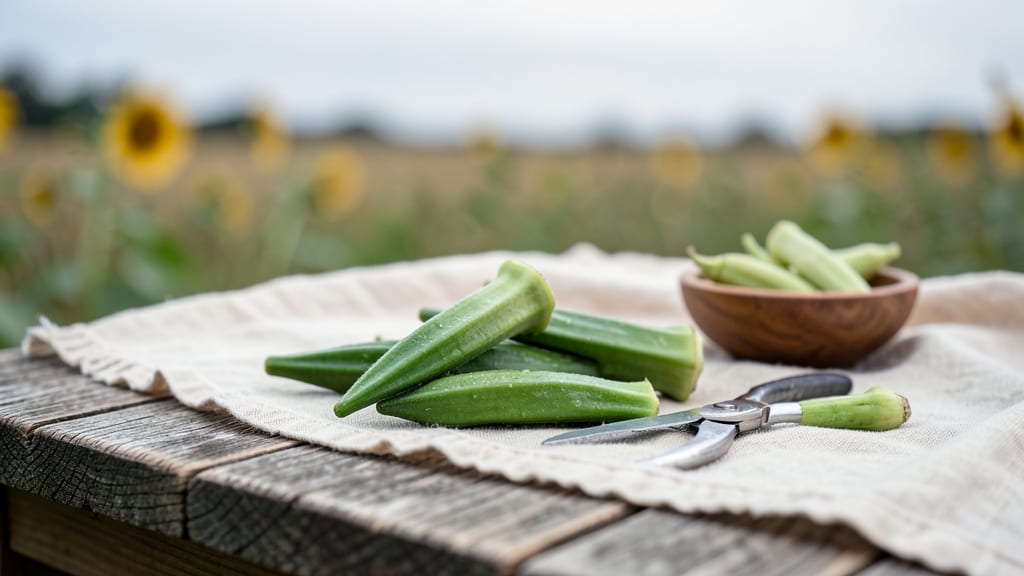
Harvesting okra, squash, and zucchini at the perfect moment transforms bland produce into flavor-packed culinary stars. These ten proven picking times ensure maximum yield, tenderness, and taste—whether you're a seasoned gardener or a first-time grower.
Zucchini Picking at Early Morning Dew
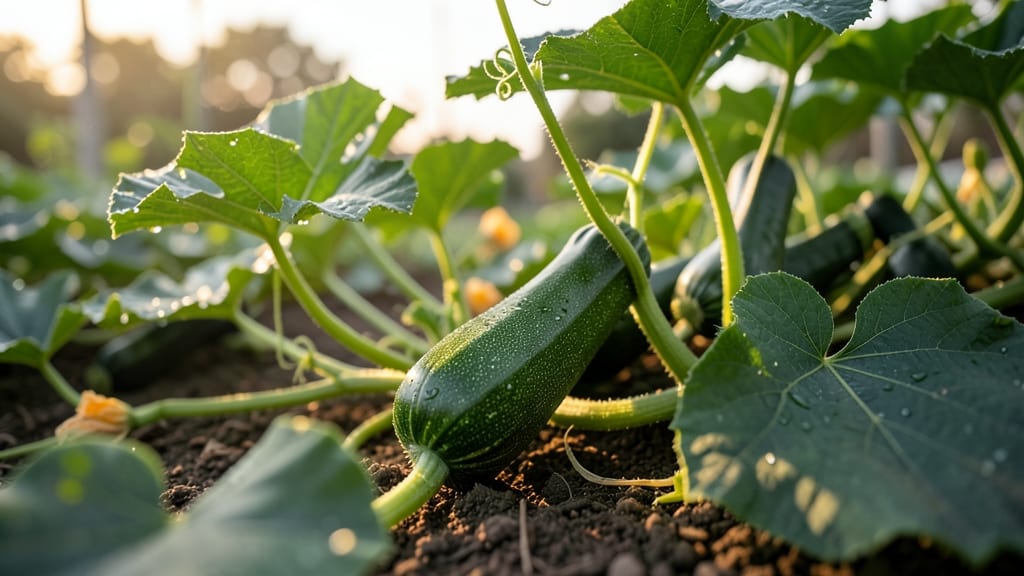
Ever bitten into a zucchini that tasted bitter or mealy? The secret to peak flavor and texture lies in harvesting at dawn, when morning dew clings to the vines. This early-morning routine locks in crispness and sweetness—perfect for fresh salads or grilling.
Zucchini absorbs sunlight during the day, converting sugars into starches. By picking within 2-3 hours of sunrise, you avoid this conversion, preserving that juicy, tender quality gardeners love. Use a sharp knife to cut stems cleanly, and avoid bruising the skin. For continuous harvests, check plants every 2-3 days—overgrown zucchini turns woody and bitter.
This method works especially well for urban gardeners with limited space or anyone aiming for restaurant-quality produce. A quick morning walk to the garden ensures your zucchini stays at its best. 🌱
Squash Harvesting by Size Guidelines
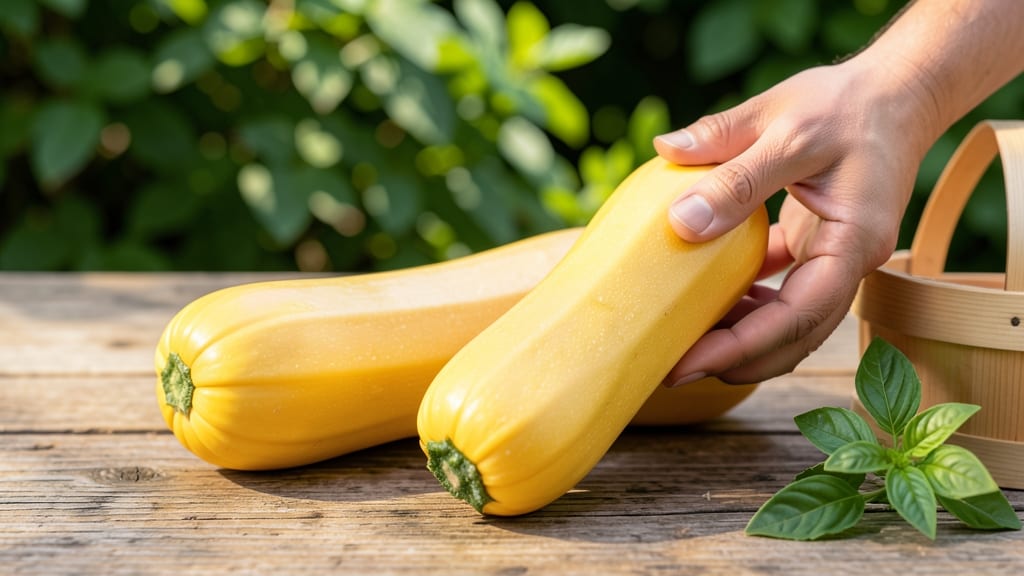
Summer squash like yellow crookneck or zucchini reach their prime at a specific size—6-8 inches long—that’s often overlooked. Unlike winter squash, which can wait weeks to mature, summer squash lose sweetness and texture the moment they surpass this window.
Use your fingers to gauge ripeness: the squash should feel firm but yield slightly to gentle pressure. Harvest in the morning when moisture levels are highest to preserve crispness. Overripe squash (beyond 8 inches) develop tough seeds and bland flavor, while underripe ones lack the rich, nutty taste you crave.
This size guideline works for all summer squash varieties and ensures your garden produces the tastiest results with minimal effort. Perfect for gardeners who want restaurant-quality squash without the guesswork! 💚
Okra Picked Before Pods Toughen
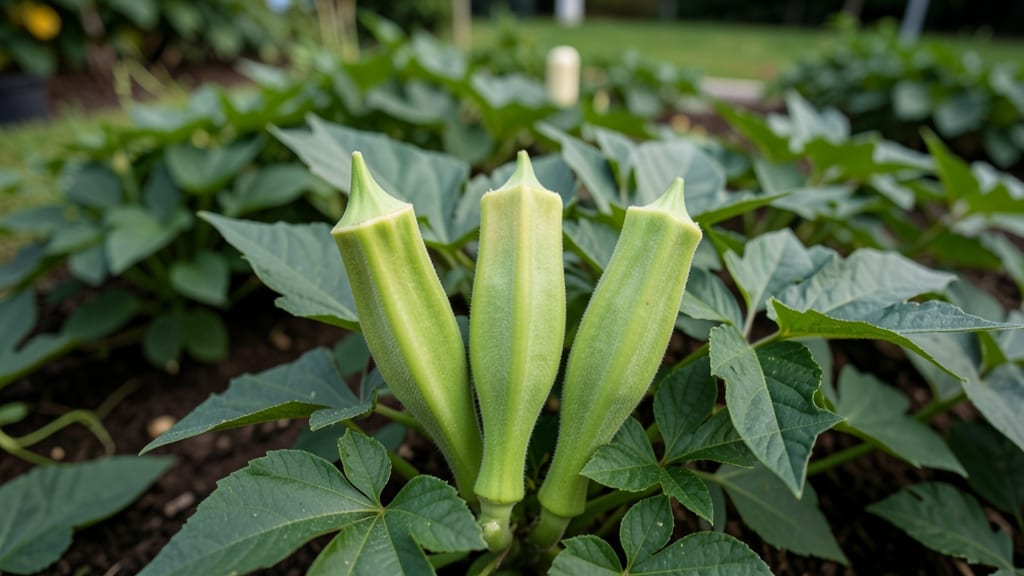
Skip the wait for tough, fibrous okra—timing is everything for that perfect tender-crisp texture. When pods reach just 2-3 inches, they're at their peak for stir-fries and gumbo, free from that dreaded slimy interior that develops as they mature.
Check your plants every 2-3 days during peak growing season (late spring to early fall) to catch okra at this sweet spot. Use clean pruning shears or simply twist pods gently at the stem—no need to wait until they're thick as your thumb. For home cooks and gardeners, this window ensures you'll have the best flavor and texture for your favorite recipes.
This quick harvest window also prevents overcrowding on the plant, encouraging more pods to develop. Perfect for beginners or anyone tired of tough okra—consistent picking leads to a steady supply of culinary-quality pods all season. 🌱
Winter Squash Rind Hardness Test
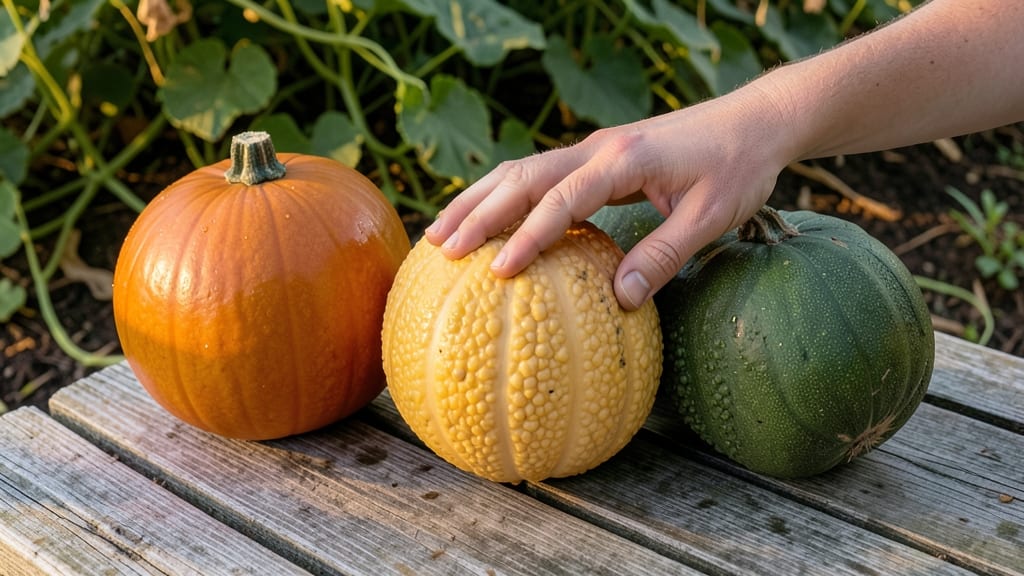
Skip the guesswork when harvesting winter squash—your fingernail is the secret tool for perfect ripeness. Instead of relying on size or color alone, press gently into the rind of butternut or acorn squash. If it doesn’t dent, the squash is fully mature, packed with sweetness, and ready for roasting or storage.
This simple test works because winter squash hardens as it ripens, signaling peak flavor and nutrient density. Test multiple spots on the squash for consistency, and avoid harvesting when the rind still yields slightly—this means it needs more time on the vine. The hardness test is especially useful for home gardeners who want to time their harvest for the best taste without overripe texture.
Mastering this trick ensures you’ll always enjoy the richest, most flavorful squash from your garden. 🌟
Zucchini Flower Harvesting Timing
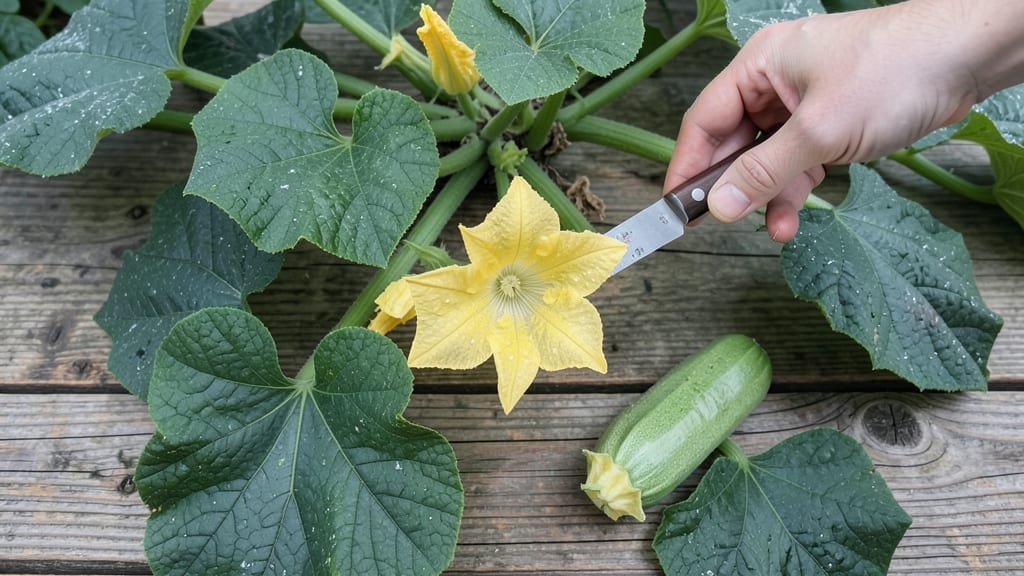
Did you know your zucchini plant’s delicate yellow flowers are just as edible as its fruit? These blossoms pack a mild, slightly sweet flavor perfect for stuffing, frying, or garnishing—but timing is everything to preserve their tenderness.
Harvest zucchini flowers in the early morning when dew keeps them fresh and crisp. Use sharp scissors or fingers to gently twist them from the stem, being careful not to damage the plant. These flowers are best used within 4-6 hours of picking, as they wilt quickly. Morning-picked flowers also have the most vibrant color and delicate texture.
This technique is especially useful for gardeners who want to maximize their zucchini plant’s potential—both for fruit and flowers. Perfect for urban gardeners with limited space or anyone looking to add a unique, edible garnish to their meals. 🌻
Squash Vine Pruning Before Harvest
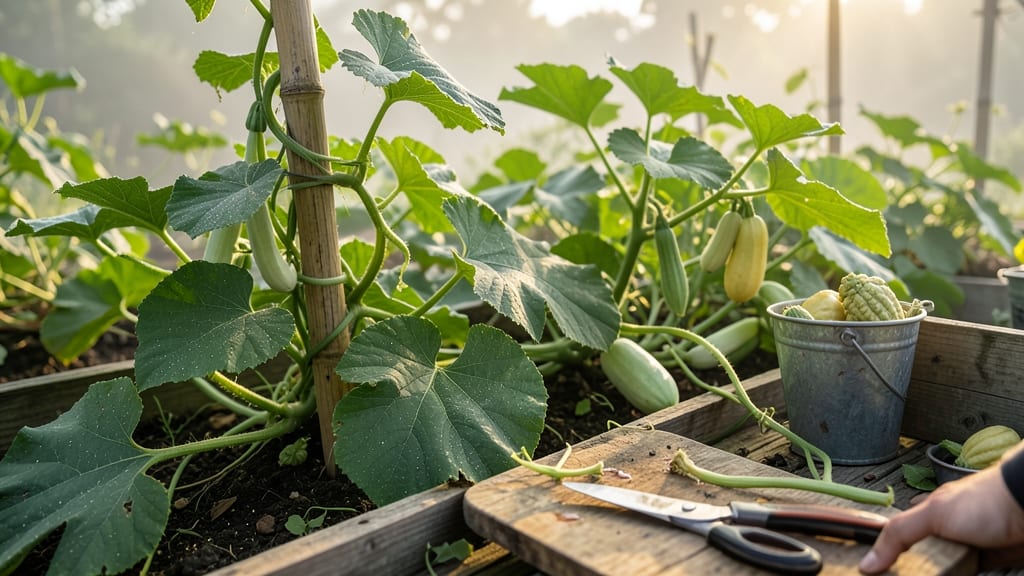
If your squash vines are sprawling wildly or producing small, bland fruits, strategic pruning at the right time could be your game-changer. Unlike harvesting, this technique focuses on trimming 75% mature fruits—not fully ripe ones—to redirect the plant’s energy toward flavor and future production.
Use clean, sharp pruners to snip side shoots and excess foliage when fruits are about 3/4 grown (typically 4-6 inches for summer squash). This boosts sugar content in remaining fruits while keeping vines manageable—critical for container gardens where space is limited. Prune in morning hours to avoid stressing the plant, and remove only 1/3 of the vine at a time to prevent shock.
Urban gardeners and small-space growers will love this method, as it prevents vines from overtaking patios while ensuring sweeter, more abundant harvests. Your plants will thank you with juicier squash and fewer pests. 🌿
Okra Seed Pod Color Shift
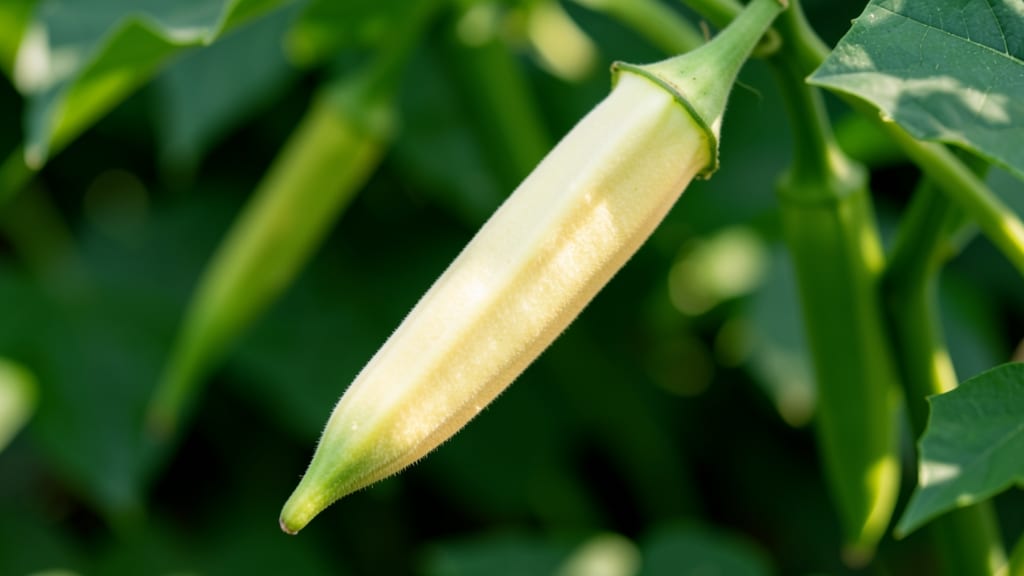
Ever wonder why your okra pods turn pale yellow before fully maturing? That subtle color shift isn’t a mistake—it’s your cue to harvest for the best texture and flavor, especially if you love pickling. Unlike green okra, these pale yellow pods pack a milder, almost sweet taste and a firmer bite, perfect for preserving in vinegar brines.
Watch for the shift from bright green to a soft, buttery yellow, typically occurring when pods reach 3-4 inches. This transition happens about 5-7 days before the pods toughen or develop seeds. For pickling, harvest immediately when you spot the color change—delaying even a day can make the pods too fibrous. Store in a cool, dark place for up to 5 days before pickling to preserve that fresh-harvest crispness.
This trick works especially well for gardeners who love preserving summer harvests—whether you’re canning, fermenting, or making relishes. The pale yellow pods hold up beautifully in brines, offering a unique flavor profile that green okra can’t match. 🌻
Zucchini Harvest Frequency for Continuous Yield
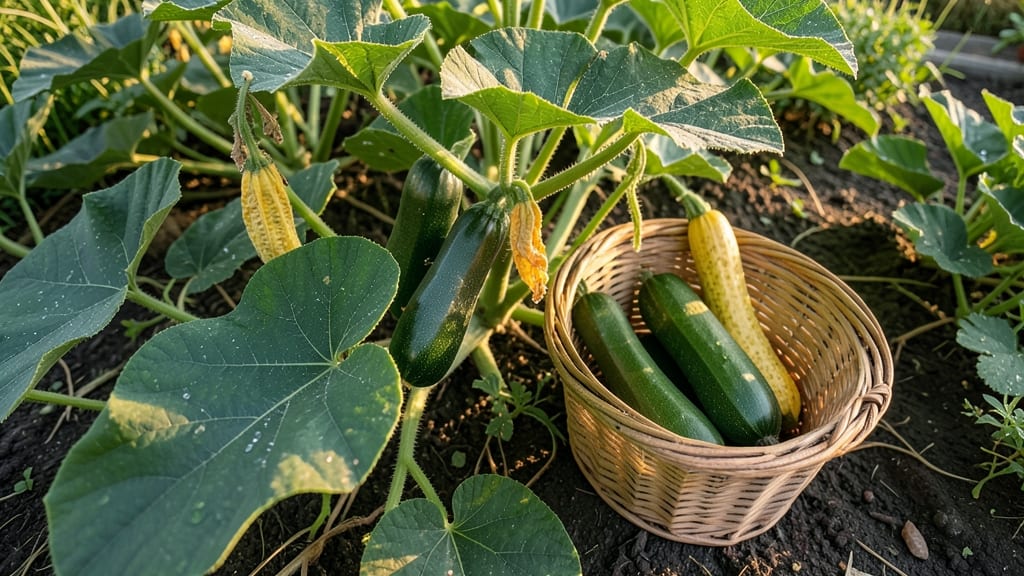
Tired of zucchini plants that produce just a few large, bitter fruits before slowing down? The secret to a steady, abundant harvest lies in your picking schedule—every 2-3 days is the magic number. This simple habit signals your plants to produce more, preventing overgrowth and ensuring tender, flavorful zucchini all season.
When you harvest frequently, you remove the plant's natural "stop signal" (a fully mature zucchini), which tricks it into producing new flowers and fruits continuously. Use a sharp knife or pruners to cut stems cleanly, and always check for baby zucchini (under 6 inches) hiding among the leaves. This method works especially well for container gardeners or those with limited space, as it maximizes yield without spreading vines everywhere.
This approach isn't just for experienced gardeners—it's perfect for first-time growers who want to avoid the frustration of sudden zucchini overload. With consistent picking, you'll enjoy a year-round supply of fresh zucchini for salads, grilling, or baking. 🌱
Squash Stem Separation Method
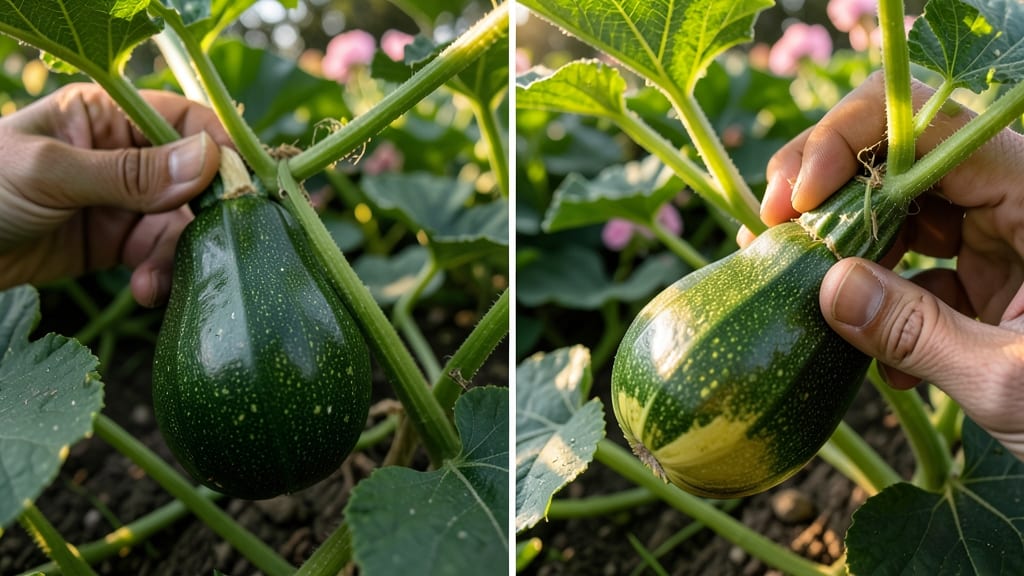
Ever wonder if your squash is truly ripe or just stubbornly clinging to the vine? The squash stem separation method is your foolproof trick—simply twist the fruit gently at the stem. A clean, effortless break means it’s at peak ripeness and ready for harvest, while resistance signals either immature or overripe fruit.
This tactile test works for summer squash (like zucchini) and winter varieties (such as butternut). For summer squash, aim for a smooth separation when the fruit is 6-8 inches long. With winter squash, the stem should pull away cleanly when the rind is firm and the color is fully developed. This method saves you from guessing and ensures you’re harvesting at the sweetest, most flavorful stage.
Gardeners with limited experience will appreciate this no-tools-needed approach, while urban growers can use it to maximize space by harvesting only the ripest fruits. Try it next time you’re unsure—your taste buds will thank you! 🌟
Okra Pod Length for Freezing

Preserving okra for winter meals starts with the right harvest timing—especially if you're freezing. Unlike fresh eating, where you want pods at 2-3 inches, freezing requires a slightly longer window for optimal texture. The sweet spot? 3-4 inch pods strike the balance between tenderness and structure after blanching.
Longer pods (5+ inches) become woody and fibrous, while shorter ones may turn mushy when thawed. After harvesting, blanch okra for 3 minutes in boiling water, then plunge into ice water to lock in that perfect crisp-tender quality. This method works best for gardeners in hot, humid climates where okra grows prolifically.
Freezing okra at this size ensures you’ll have homegrown goodness ready for soups, stews, or stir-fries all winter long—no last-minute grocery store trips needed. 🌱