
Vegetables
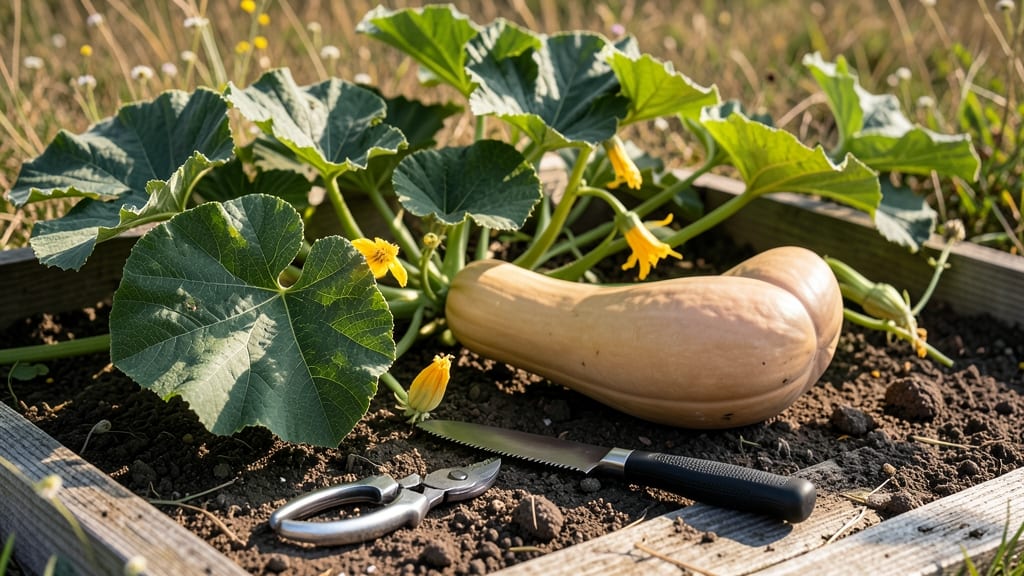
Butternut squash are ready to harvest when their skin deepens to a rich tan and the stem hardens near the fruit — a window that typically falls between 80 and 100 days after transplanting.
Picking too early means a watery, bland taste, while waiting too long risks overripe squash that spoil faster. The difference between perfect and disappointing harvests often comes down to knowing these three key signs of ripeness.
In Zone 6a, where many gardeners grow them, butternut squash 🎃 usually hit peak flavor in late fall, just before the first frost. But the real secret isn’t just the calendar—it’s the visual cues that tell you the moment is right.
Below, I’ll walk you through how to test for ripeness, what to do if your squash isn’t ready, and how to store them for months of delicious meals.
3 Visual signs your butternut squash is perfectly ripe for harvesting
Butternut squash thrive when left on the vine until fully mature, but knowing the exact moment to harvest can be tricky. Unlike cucumbers or zucchini, these winter squash don’t ripen further after picking, so timing is everything.
The good news? Three clear visual cues will tell you when your butternut squash is ready to harvest—no guesswork required.
First, let’s address the biggest mistake gardeners make: harvesting too early. Many assume these squash are ready just because they’re large, but premature picking leads to watery, bland flesh and poor storage life.
The key is patience and attention to these three visual maturity signs that align with the plant’s natural growth cycle.
Skin Color
Look for a deep tan or beige hue—no more green. The skin should feel hard and papery, not soft or waxy. Immature squash often retain pale green patches near the stem.
Stem Condition
The stem near the fruit should dry out and harden. If you gently twist it, it should snap cleanly rather than tear. A green, flexible stem means the squash needs more time.
Size and Weight
A ripe butternut squash typically weighs 3-5 pounds and measures 12-18 inches long. Lift it—if it feels heavy for its size, that’s a good sign. Lightweight squash are often underripe.
Let’s start with the most obvious clue: skin color. When butternut squash are ready, their skin transitions from a pale green or yellow-green to a rich, tan or beige.
This color change isn’t just cosmetic—it signals the squash’s starch content has peaked, delivering that signature sweet, nutty flavor we all love. Pro tip: Run your fingernail over the skin. If it feels hard and resists pressure, it’s ready. If it dents easily, wait a few more days.
Next, examine the stem condition. A mature butternut squash will have a stem that’s dried out and brownish-gray near the fruit. Try twisting it gently—if it snaps cleanly, you’re in business.
A green, pliable stem means the squash needs 2-4 more weeks to mature. This is where many gardeners go wrong, assuming size alone determines ripeness. Don’t skip this step!
The third visual cue combines size and weight, and it’s often the most satisfying to check. A fully ripe butternut squash should weigh between 3 and 5 pounds, with a length of 12 to 18 inches.
Lift one from your garden—if it feels surprisingly heavy for its size, that’s a great sign. Underripe squash are often lightweight and hollow-sounding when tapped. For extra confirmation, check the vine condition: yellowing leaves and dying back vines are nature’s way of saying, “It’s time to harvest!”
Here’s a common misconception: thinking all butternut squash ripen at the same time. In reality, they mature over a 2-3 week window, so check your plants every few days in late summer.
If you’re growing in a shorter season (like Zone 5 or cooler), prioritize harvesting the largest, most mature squash first—they’ll store best through winter.
One final tip: harvest on a dry day. Wet conditions can introduce rot, especially if you’re using a pruner or knife to cut the stem. Leave 1-2 inches of stem attached—this helps the squash cure properly and extends its shelf life.
After harvesting, let them cure in a warm, dry place (like a garage or porch) for 7-10 days to develop their full flavor and storage potential.
By mastering these three visual signs—skin color, stem condition, and size/weight—you’ll never again wonder, “When are my butternut squash ready to harvest?” Instead, you’ll confidently pick them at peak ripeness, ensuring a bounty of sweet, flavorful squash that’ll last through the winter months.
How to test butternut squash ripeness: the seed and thump method explained
When your butternut squash reaches the perfect moment for harvesting, visual cues alone might not always give you the full picture. That’s where the seed cavity test and the classic thump method come in—two foolproof ways to confirm ripeness without cutting into your squash.
These techniques help you avoid harvesting too early (resulting in bland flavor) or too late (leading to rot). Let’s dive into how to use them like a pro!
First, understand why these methods work. A ripe butternut squash has fully developed seeds and a dense, mature flesh. The thump test checks for internal dryness, while the seed cavity test ensures the seeds are plump and ready.
Together, they give you a complete picture of your squash’s readiness. Grab your squash and let’s get started!
Hold your butternut squash firmly and give it a gentle thump with your knuckle. A ripe squash will produce a deep, hollow sound, similar to knocking on a wooden door. If it sounds dull or flat, it’s not ready yet.
Look for a dry, woody stem near the squash. If the stem is still green and flexible, your squash needs more time. A hardened, brown stem means it’s ready to harvest.
Use a small knife to gently cut a 1-inch hole near the stem end. Look inside for plump, fully formed seeds. If the seeds are small, shriveled, or still green, your squash isn’t ripe yet.
Press your fingernail into the rind. A ripe squash will have a hard, thick skin that resists pressure. If your nail pierces the skin easily, wait a few more days.
A fully ripe butternut squash typically weighs between 3 to 5 pounds. If your squash is smaller but passes the other tests, it may still be worth harvesting—just store it in a cool, dry place to ripen further.
If your squash fails these tests, don’t worry! Give it 5 to 7 more days and retest. Butternut squash continue to mature on the vine until the first frost, so patience pays off.
Once you’ve confirmed ripeness, harvest with a sharp knife or pruners, leaving a 1-inch stem attached to extend shelf life.
Now that you’ve mastered these methods, you’ll never second-guess your harvest again. The next time you’re standing in your garden with a squash in hand, you’ll know exactly when it’s time to pick—no guesswork required! Happy harvesting! 🎃