
Vegetables
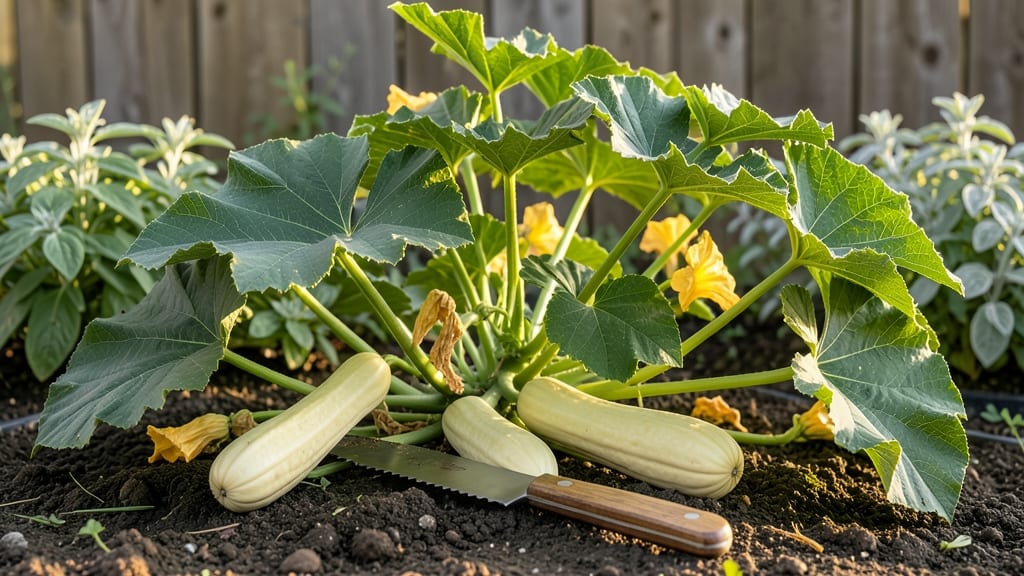
Spaghetti squash is ready to harvest when its rind turns a dull, matte yellow or beige 🎃 and the stem dries out completely.
Picking too early means stringy, underdeveloped flesh—while waiting too long risks tough skin and wasted effort. Mastering the perfect harvest time ensures tender, restaurant-quality strands every time.
Most varieties reach maturity in 90 days after planting, but climate and sunlight play a role. The seed method is the most reliable test: press your thumbnail into the rind—if it doesn’t dent, it’s ready.
In this guide, you’ll learn the 5 key visual signs of ripeness, how to adjust for early or late harvests, and storage tips to keep your squash fresh for weeks.
How to test spaghetti squash ripeness using the seed method
When harvesting spaghetti squash, the seed method is my go-to trick for pinpointing perfect ripeness. Unlike guessing by color or size, this technique reveals what’s happening inside the fruit—where it truly matters.
The seed cavity and seed color change dramatically as the squash matures, giving you a crystal-clear signal to harvest.
Most gardeners skip this step, but I’ve found it’s the most reliable way to avoid underripe squash (which yields tough, stringy strands) or overripe squash (with bitter, fibrous flesh).
By examining just a few seeds, you can determine whether your squash is ready for the kitchen—or still needs time on the vine.
Here’s how to perform the seed test like a pro, plus what each result means for your harvest timing:
I’ve used this method for years, and it’s saved me from harvesting spaghetti squash that was either too tough or too stringy. The seed test works because the seeds mature last—they’re the final indicator that the fruit’s starch content has fully developed into those prized, silky strands.
Pro tip: If your seeds are tan with slight brown speckles, harvest immediately. This is the sweet spot for flavor and texture. For varieties like Honey Bear or Casaba, which have thicker rinds, the seed test is even more critical since external cues can be misleading.
Once you’ve confirmed ripeness, harvest your squash by cutting the stem with a pruning shear or sharp knife, leaving a 1-inch stem attachment. This prevents bruising and extends storage life.
Store in a cool, dry place (50-55°F) for up to 3 months—or roast it immediately for that restaurant-quality result.
Remember, the seed method isn’t just about avoiding mistakes—it’s about elevating your harvest. When you nail the ripeness, your spaghetti squash will shred into perfect strands every time, making it worth the extra few minutes of testing.
5 Key visual signs your spaghetti squash is perfectly ripe
Beyond the classic seed test, spaghetti squash reveals subtle visual cues that scream "harvest me now!" These signs help you avoid the pitfalls of underripe (stringy) or overripe (tough) squash. Pay attention to these five key indicators to time your harvest perfectly.
First, observe the rind color. When ripe, it shifts from vibrant green to a dull, matte yellow or beige. This color change signals the squash has reached peak sweetness and tenderness. Ignoring this cue often leads to overly fibrous flesh that’s less enjoyable to eat.
- 🎃 Rind Color: Dull yellow/beige (not bright green)
- 📄 Stem Texture: Dry, papery, and slightly shriveled
- 🤏 Skin Firmness: Resists pressure from a thumbnail
- 🔊 Sound Test: Hollow when tapped (like a pumpkin)
- 🌿 Vine Behavior: Leaves yellowing or dying back
The stem is another dead giveaway. A ripe spaghetti squash will have a dry, papery stem that’s slightly shriveled. If you gently tug and it separates easily from the vine, that’s your green light. A soft, green stem means the squash needs more time on the vine.
Don’t overlook the skin’s firmness. Press your thumbnail into the rind—if it doesn’t dent, the squash is ready. A squishy skin signals overripeness, which can lead to bitter, tough strands when cooked. This simple test takes seconds but saves you from disappointment.
Listen for the hollow sound when you tap the squash. A ripe spaghetti squash will emit a deep, resonant thud, similar to a pumpkin. If it sounds dull or flat, it’s not ready yet. This acoustic cue is a foolproof way to confirm ripeness without cutting into the fruit.
Finally, watch the vine’s behavior. When the plant’s leaves start yellowing or dying back, it’s a sign the squash is nearing maturity. The vine may even wilt slightly as nutrients redirect to the fruit. Harvesting at this stage ensures you get the sweetest, most flavorful squash possible.
By combining these five visual signs, you’ll never second-guess when to harvest again. Grab your squash, cook it up, and enjoy those perfect, spaghetti-like strands every time! 🌱