
Vegetables
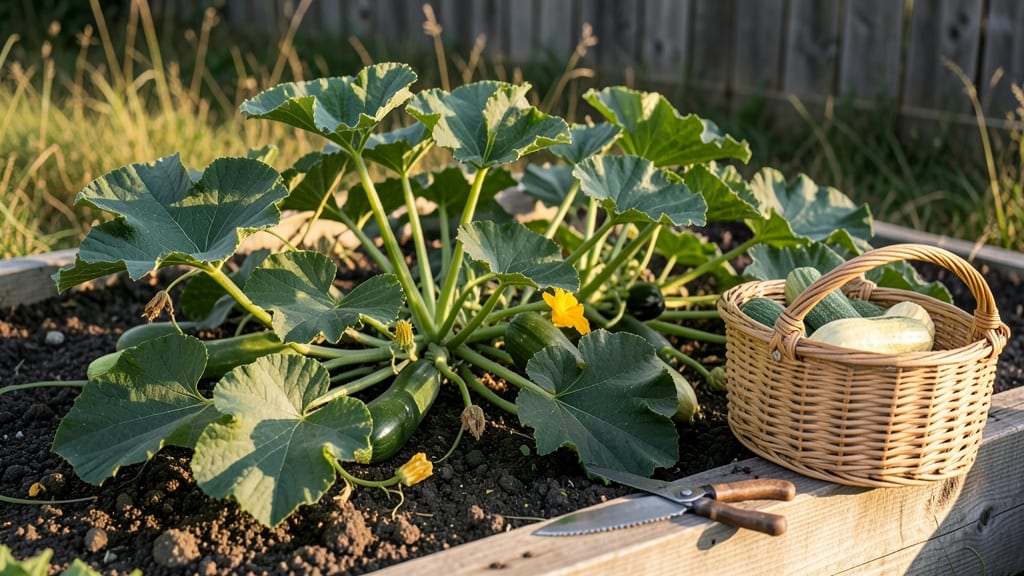
To know when squash is ready to harvest, watch for a deep, even color and a stem that dries where it meets the fruit—these are your best clues for peak flavor and texture.
Picking squash at the perfect moment means the difference between a bland, mealy texture and a sweet, flavorful harvest—so how do you know when it's time?
Summer varieties like zucchini need to be harvested before they overgrow, while winter squash like butternut should wait until the skin hardens like a football.
Most gardeners miss the window because they focus on size alone, but the real secrets lie in the skin’s firmness and the stem’s condition. A squash that’s too soft or still growing will taste underripe, while one left too long turns bitter and woody—neither is ideal.
Below, I’ll break down the exact visual cues to pull your 🎃 from the vine at its prime, plus how to store it for maximum shelf life and taste. No more guesswork, just perfect squash every time.
3 Visual cues to identify perfectly ripe squash every time
Mastering the art of harvesting squash at its peak requires understanding three key visual cues: color, size, and skin texture. These indicators vary dramatically between summer squash (like zucchini) and winter squash (like butternut), so knowing what to look for prevents wasted harvests.
I’ve grown both types for years, and these cues have saved me from mealy, overripe squash that’s nearly inedible. The difference between a perfect harvest and a disappointing one often comes down to paying attention to these simple—but critical—details.
For summer squash, timing is everything because these varieties don’t store well and should be used within days of picking. A deep, glossy green color (no yellowing) signals readiness, while winter squash relies on a hard, matte skin that resists pressure.
I once missed these cues with my first butternut squash crop, and the result was a tough, bland harvest. Don’t let that happen to you—let’s break down exactly what to watch for in each category.
| Cue | Summer Squash (Zucchini/Courgette) | Winter Squash (Butternut/Acorn) | How to Test |
|---|---|---|---|
| Color | Deep, solid green (no yellow) | Hard, matte skin (tan for butternut, dark green for acorn) | Press gently—color should be uniform, not patchy |
| Size | 6–8 inches long (harvest before seeds harden) | 3–5 pounds (varies by type; check seed packet) | Measure width/diameter—overgrowth = tough flesh |
| Skin Texture | Smooth, firm skin (no soft spots) | Thick, tough rind (cannot pierce with fingernail) | Run thumb over surface—should feel leathery, not waxy |
The color of your squash is the first clue to check, and it’s especially critical for summer varieties. A zucchini should be a vibrant, deep green with no yellowing or white patches—these signs mean it’s overripe or diseased.
I learned this the hard way when I ignored a few yellowing spots on my zucchini and ended up with a squash so seedy it was nearly unusable.
For winter squash, color shifts from dull to a matte finish, like the tan hue of a ripe butternut or the deep green of an acorn squash. This matte look indicates the skin has fully hardened and the squash is ready.
Next, pay attention to size, which is a clear indicator of readiness—especially for summer squash. A zucchini should be 6–8 inches long when harvested; anything larger becomes fibrous and tough. I’ve found that checking squash size daily once they start maturing prevents overgrowth.
For winter squash, size varies by variety but generally ranges from 3–5 pounds. A butternut squash, for example, should feel substantial in your hands—like a small football—before it’s ready. Weighing it can help, but measuring the diameter (about 6–8 inches for butternut) is often easier.
Finally, the skin texture is the most reliable cue for winter squash and a close second for summer varieties. Run your thumb over the surface: a ripe squash should feel smooth and firm with no soft spots.
For winter squash, the skin should be so tough you can’t even dent it with your fingernail. I test this by pressing my thumbnail into the skin—if it doesn’t leave a mark, the squash is ready.
Summer squash skin should also be firm but slightly glossy, not waxy or dull. A dull or waxy skin often means the squash has been on the vine too long and is past its prime.
One common mistake I see gardeners make is relying on just one cue, like size or color, while ignoring the others. For example, a squash might be the right size but still have soft spots or uneven color.
Always check all three cues—color, size, and texture
Pro tip: Use a sharp knife to cut the stem when harvesting—leave a 1-inch stem attached to prevent rot and extend shelf life. For summer squash, speed is key because these varieties spoil quickly. Harvest them in the morning when temperatures are cooler, and use them within 3–5 days for the best flavor. Winter squash, on the other hand, can last for months if stored properly in a cool, dry place (like a pantry or basement). I cure my winter squash for a week in a warm, dry spot before storing to ensure they keep well. This simple step has helped my butternut squash stay fresh until the following spring. If you’re still unsure whether your squash is ready, remember this rule: when in doubt, harvest it. Squash won’t ripen further once picked, so it’s better to harvest slightly early than to leave it on the vine too long. I’ve found that even a slightly underripe squash can be used in recipes (like soups or stir-fries) where texture isn’t as critical. But an overripe squash? That’s a waste of your gardening efforts. Pay attention to these visual cues, and you’ll always know exactly when to pick your squash for the best flavor and texture. Now that you’re equipped with these three visual cues, you’re ready to harvest squash like a pro. Whether you’re growing zucchini, butternut, or acorn squash
When to harvest squash by variety: a timeline guide
Timing your squash harvest is everything—pick too early, and you’ll get seedy, underdeveloped fruit. Wait too long, and the flesh turns tough or bitter. Each squash variety matures on its own schedule, so knowing the ideal harvest window for your plants ensures peak flavor and texture.
Whether you're growing zucchini for quick summer meals or butternut squash for winter storage, understanding these timelines prevents wasted harvests and maximizes your garden’s potential.
Summer squash like zucchini and yellow squash grow rapidly, often reaching harvest size in just 40–55 days after transplanting. In contrast, winter squash varieties such as butternut and acorn take 80–120 days to mature fully.
The key is to monitor your plants closely during these critical periods, as squash doesn’t ripen further once picked. Missing the window means compromising on taste, texture, and even storability.
Summer Squash (Zucchini, Yellow Squash)
40–55 days after transplanting
Harvest before flowers appear to ensure tender, seedless flesh. Check plants daily once they begin producing fruit, as zucchini can grow 2 inches per day at peak speed. Use a sharp knife or pruners to cut the squash, leaving a 1-inch stem attached to prevent rot.
Winter Squash (Butternut, Acorn, Pumpkin)
80–120 days after transplanting
Wait until the skin hardens completely—you should be unable to dent it with your thumbnail. The stem should also dry and detach easily from the vine. For butternut squash, aim for a weight of 3–5 pounds, while acorn squash typically matures at 8–12 inches in diameter. Harvest before the first frost to avoid flavor loss.
Spaghetti Squash
90–100 days
Look for a golden-yellow rind that feels hard like a football. Overripe spaghetti squash develops a hollow stem, signaling it’s past its prime. Harvest when the squash reaches 3–5 feet long and the skin is too tough to pierce with your fingernail. Cure in a warm, dry place for 10 days to enhance flavor and shelf life.
Pro tip: Keep a harvest journal to track the days to maturity for your specific squash varieties. Factors like soil temperature, sunlight exposure, and rainfall can shift these timelines slightly. For example, cooler summer weather may delay maturity by 5–10 days, while hotter conditions can speed it up.
Adjust your expectations accordingly, but never compromise on the visual and tactile cues of ripeness.
Once you’ve mastered these timelines, you’ll never again face the disappointment of a woody, seedy zucchini or a soft, mealy butternut. Instead, you’ll enjoy squash that’s bursting with flavor, perfect for roasting, baking, or stuffing.
And remember: consistency is key. Regular harvesting encourages more production, so check your plants frequently during peak growing seasons.
🎃