
How To
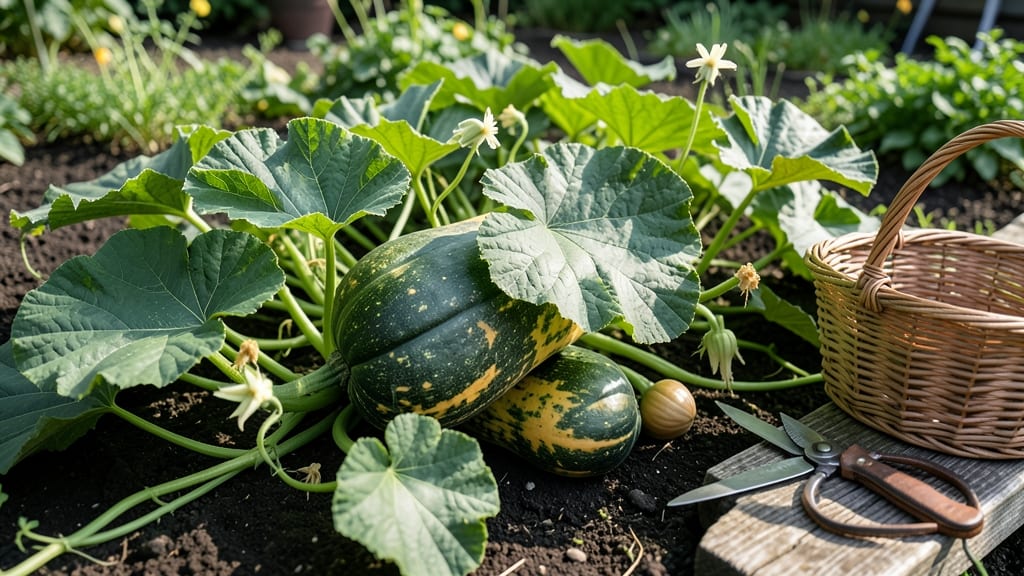
To harvest butternut squash at its sweetest, watch for the seed color shift from white to tan 🎃 and a firm rind that resists your thumb.
Picking too early means bland, watery flesh, while waiting too long turns the fruit stringy and tough. The difference between a perfectly ripe squash and one that’s past its prime comes down to two simple tests—and knowing when frost is on the horizon.
Most gardeners miss the window because they focus on size alone, but the real clues are hidden in the stem’s texture and the seeds’ color. Below, I’ll walk you through the exact visual cues and the thumb-press trick that saves you from overripe mistakes.
Once you master these, you’ll never second-guess harvest time again—and your squash will store for months with the right post-harvest care.
The seed color shift: 3 visual clues to harvest butternut squash
Harvesting butternut squash at the right moment means paying close attention to the seed cavity inside the fruit. Unlike other squash varieties, butternut squash seeds change from white to tan or golden when they're ready to pick.
This color shift is your best visual cue that the fruit has reached peak sweetness and flavor.
Start by checking the stem end of the squash where the seeds develop. If the seeds are still white, the fruit needs more time on the vine.
The transition to tan or golden signals that the squash is ready to harvest within the next 2-3 days before it starts to overripe.
Don’t rely solely on the seed color—also look for a dry stem near the fruit and a hard rind. These three clues combined ensure you’re harvesting at the perfect moment for maximum flavor and storage life.
| Clue | What to Look For | Action |
|---|---|---|
| Seed Color | Tan or golden seeds in cavity | Harvest within 2-3 days |
| Stem Condition | Dry, shriveled stem near fruit | Check for seed color shift |
| Rind Texture | Hard, dull (not shiny) | Combine with other clues |
If you’re harvesting in late summer, the seed color shift happens faster due to warmer temperatures. In cooler climates, this process may take longer, so monitor your squash closely during September and October when frost threatens.
Pro tip: Use a small knife or spoon to gently pry open the seed cavity without damaging the fruit. This lets you check the seed color without bruising the squash, which can lead to spoilage.
Another trick is to weigh the squash—a ripe butternut feels heavy for its size. Combine this with the seed color shift and stem dryness for foolproof harvesting. Overripe squash will have shriveled seeds and a hollow sound when tapped.
For gardeners in USDA Zone 6a, aim to harvest before the first frost (around October 15). If you miss the seed color shift, the squash can still be stored for months, but the flavor won’t be as sweet.
Remember: The seed color shift is your primary indicator, but always cross-check with the thumb-press test (covered in the next section) for the best results. This two-step method guarantees you’ll harvest at the peak of flavor and texture.
Once you’ve mastered this technique, you’ll never second-guess when to pick your butternut squash again. Happy harvesting! 🎃
The thumb-press test: how firmness determines sweetness
After checking the seed color, the next step is testing the flesh firmness—this is where the thumb-press test comes in. Unlike squash like zucchini, butternut squash needs that perfect balance between softness and resistance.
Too soft, and you’ll get a bland, watery texture; too hard, and the flesh becomes tough and stringy.
The thumb-press test is simple but critical. Press your thumb firmly into the squash’s skin and flesh. If it leaves a slight indentation that bounces back slowly, that’s your cue. If the skin gives way easily, it’s not ready yet. If it feels rock-hard, you’ve waited too long.
This test works because butternut squash starches up as it matures, converting sugars into complex carbohydrates. The firmness signals that this process is complete, and the natural sweetness has peaked. Skipping this step is a common mistake—many gardeners rely solely on color, but firmness is just as important.
⚠️ CALLOUT WARNING
- Pressing too lightly → Misreads firmness, leading to underripe harvests.
- Testing near the stem → The stem area stays firmer longer; test the middle of the squash instead.
- Ignoring weather → Hot, dry days make squash firmer faster; adjust your test timing.
Pro tip: Test on a cool morning when the squash is least affected by heat.
Environmental factors can throw off your thumb-press results. For example, drought stress makes squash harden prematurely, while excessive rain can soften the flesh too quickly. Pay attention to your local weather patterns—if you’ve had a dry spell, double-check with the seed color test before relying solely on firmness.
Another pro tip: Compare multiple squash from the same vine. Some varieties, like ‘Waltham Butternut’, mature faster than others, so consistency is key.
If one squash passes the thumb-press test while others don’t, it might be time to harvest the ready ones and leave the rest a few days longer.
Once you’ve mastered the thumb-press test, you’ll never guess again. The difference between a perfectly sweet butternut squash and one that’s past its prime comes down to this simple but critical step. Now, grab your gloves and get testing!