
Shrubs
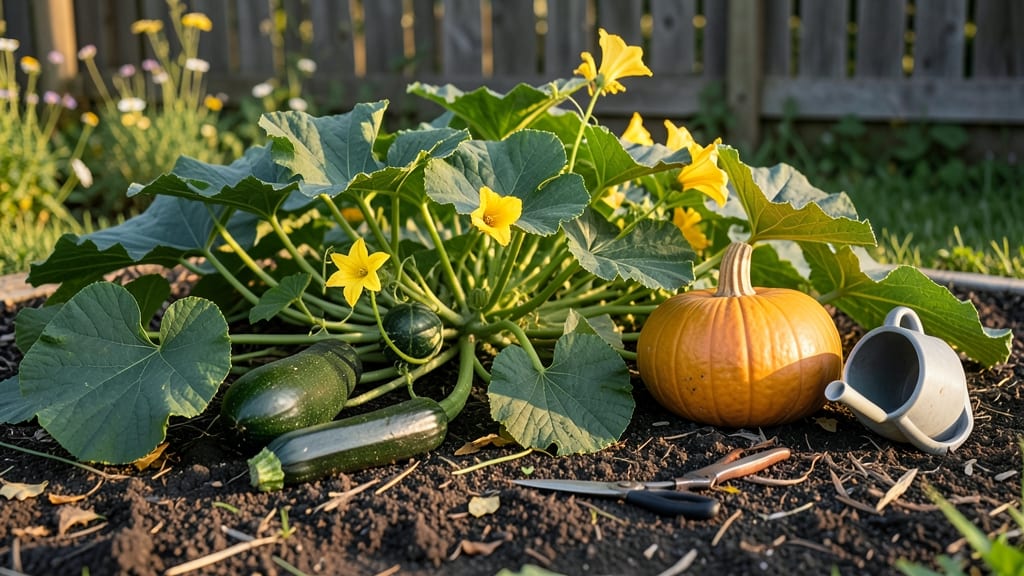
Flip through these squash varieties pictures—summer’s zucchini, winter’s butternut, or autumn’s showstopping pumpkins—then imagine your garden bursting with living art. 🌻 From compact bush types to sprawling vines, each brings something unique to your plot, whether you're growing for food, decoration, or both.
Summer squash like pattypan and yellow crookneck grow fast and prolific, perfect for fresh eating or zucchini bread. Winter varieties such as acorn and delicata store well and pack sweet, nutty flavors. Don't overlook ornamental gourds—they add texture and color, turning your garden into a fall masterpiece.
The key is matching varieties to your space and season, ensuring a year-round display of growth and beauty.
Picture rows of deep green zucchini peeking through lush foliage, or the golden glow of butternut squash vines stretching toward the sun. These aren't just plants; they're the backbone of your garden's productivity and charm.
With the right placement, you'll harvest enough to share—and still have plenty left for your table. Plus, their companion plants (like beans or nasturtiums) keep pests at bay while boosting your garden's diversity.
Whether you're a first-time grower or a seasoned pro, squash varieties offer endless possibilities. Start with 2-3 types to avoid overwhelming your space, and experiment with colors and shapes to create a visually stunning harvest.
The best part? Every variety tells its own story—from the first tender leaf to the final, ripe squash waiting to be picked. Let's bring that vision to life in your garden!
📚 In This Guide
- What you need
- Instructions
- Tips and common mistakes
- Wrapping up and next steps
What you need
- ● Digital camera or smartphone – A 12+ MP camera with macro mode (or a smartphone with a high-resolution lens) for crisp, detailed shots.
- ● Natural or softbox lighting – A 5000K daylight bulb or outdoor lighting (early morning/late afternoon) to avoid harsh shadows.
- ○ Tripod or stabilizer – Optional but helpful for steady shots of large or delicate varieties like butternut or acorn squash.
- ● White or neutral backdrop – A 5x7 ft fabric or foam board to isolate subjects for clean, professional-looking images.
- ○ Magnifying lens (optional) – For close-ups of textures, stripes, or bumps (e.g., Cucurbita pepo varieties).
- ● Seeds or seedlings – Choose 3–5 varieties (e.g., summer squash like zucchini, winter squash like pumpkin, or ornamental types like Cucurbita maxima).
- ● Well-draining soil mix – A blend of 60% potting soil, 20% compost, and 20% perlite for optimal root health.
- ● Containers or garden beds – Containers: 5-gallon pots (minimum) with drainage holes for bush varieties.
- ● Garden beds: 6–8 ft rows with 3–4 ft spacing between plants for vining types (e.g., spaghetti squash).
- ● Sunlight access – Full sun (6–8 hours/day) for all varieties; partial shade (4–6 hours) works for cooler climates.
- ● Fertilizer – Balanced 10-10-10 or compost tea at planting and mid-season for nutrient boosts.
- ○ Support structures (optional) – Trellis or stakes for vining types (e.g., Cucurbita moschata like butternut).
- ● Straw mulch to retain moisture and prevent rot in humid climates.
- ● Field guide or app – e.g., "The Squash Book" by Linda Gilkeson or the PlantNet app for ID help.
- ● Notebook or digital notes – To log growth stages, colors, and unique traits (e.g., "Blue Hubbard has blue-gray rind").
- ● Pruning shears – For harvesting or shaping plants (e.g., removing yellowing leaves to focus energy on fruit).
- ○ Gloves (optional) – Protect hands from prickly stems (common in ornamental gourds like Cucurbita pepo 'Jack Be Little'”).
Visual guide to identifying summer, winter, and ornamental squash
Here’s how to recognize the key characteristics that distinguish these three major squash categories—no gardening experience needed.
🌱 Step 1: Spot Summer Squash by Shape and Skin
Summer squash like zucchini and yellow crookneck have smooth, tender skin you can eat without peeling. Look for their oval or cylindrical shapes and bright, glossy colors—think deep green zucchini or golden pattypan. These varieties grow fast, often reaching harvest size in 30-50 days, and their vines sprawl widely rather than climbing.
Real talk: If you see squash with ridges or bumps (like scalloped or acorn types), those belong to winter squash. Summer squash stay smooth and soft-handed—press gently to test. The skin should yield slightly, like a ripe avocado, not feel hard or woody.
☀️ Step 2: Identify Winter Squash by Hard Shell and Size
Winter squash—like butternut, spaghetti, and pumpkins—develop thick, tough skins that protect them through cold months. Their shapes range from bulbous (acorn) to long-necked (butternut) or flat (hubbard), often with deep ridges or warts. These varieties take 80-120 days to mature and grow on woody vines that may need trellising.
Here’s the thing—winter squash stay on the vine long after summer types bolt. Wait until the stem dries and hardens (like a straw) before harvesting. The color deepens too—think orange butternut or mottled gray-green Hubbard—never the pale green of summer squash.
🪴 Step 3: Recognize Ornamental Squash by Color and Texture
Ornamental gourds and decorative squash—like turban or cushaw—prioritize bold patterns and textures over edibility. Look for striped, speckled, or warty skins in unusual colors (purple, white, or deep red). These varieties often grow on trailing vines and can reach 10+ pounds, far larger than edible types.
I know it seems weird, but ornamental squash sometimes have smooth patches mixed with bumpy sections—this is their signature. They’re all about visual impact, so don’t judge by size alone. A 6-inch cushaw with striped skin is just as "correct" as a 20-pound giant.
✂️ Step 4: Compare Growth Habits and Vine Types
Summer squash vines sprawl 3-6 feet wide, producing multiple small fruits per plant. Winter squash vines are woody and upright, often needing 5-10 feet of space and support. Ornamental gourds can trail 15+ feet, creating dramatic ground covers.
This is the moment that matters: If your plant has both sprawling vines and large, patterned fruits, it’s likely an ornamental. Summer squash plants look bushy and prolific, while winter squash vines feel sturdy and structured—like a small tree compared to a sprawling bush.
Tips & tricks for perfect squash identification
These visual cues will help you confidently distinguish between summer, winter, and ornamental squash—no gardening degree required.
Texture Test: Press the skin firmly—summer squash should yield slightly like a ripe avocado, while winter varieties feel rock-hard like a coconut. Ornamental types might have mixed textures: smooth patches with bumpy sections. This tactile check is your fastest way to eliminate guesswork, especially when colors overlap between categories.
Vine Structure Clues: Summer squash vines sprawl 3-6 feet wide with multiple small fruits, while winter squash vines grow woody and upright needing 5-10 feet of space. Ornamental gourds can trail 15+ feet—look for vines that combine both sprawling and climbing characteristics. This growth habit difference often reveals the type before you even examine the fruit.
Stem Inspection: Winter squash stems harden like straw when mature, while summer squash stems remain tender. For ornamentals, stems often develop decorative patterns matching the fruit's design. Check the stem's texture and color—this simple step prevents misidentifying immature winter squash as summer varieties.
Color Depth Comparison: Summer squash maintain bright, glossy colors (deep green or golden), while winter squash develop deeper, matte hues (orange butternut or gray Hubbard). Ornamentals often feature unusual colors like purple or white. Use natural light to observe these color shifts—they're more pronounced in the afternoon sun.
Pro Tips for Squash Varieties Pictures
- These visual cues will help you confidently distinguish between summer, winter, and ornamental squash—no gardening degree required.
- Texture Test: Press the skin firmly—summer squash should yield slightly like a ripe avocado, while winter varieties feel rock-hard like a coconut.
- Vine Structure Clues: Summer squash vines sprawl 3-6 feet wide with multiple small fruits, while winter squash vines grow woody and upright needing 5-10 feet of space.
Frequently asked questions
Got questions about squash varieties? You’re not alone! Here are some of the most common queries—plus quick answers to help you pick, grow, and enjoy the perfect squash for your garden or table.
What’s the easiest squash variety to grow for beginners?
Start with butternut squash or zucchini—both are forgiving, fast-growing, and prolific. Butternut thrives in cooler weather, while zucchini produces insane yields (just be ready for a harvest every few days!). For ornamental appeal, try Cucurbita pepo varieties like ‘Jack Be Little’—they’re compact and stunning.
How long does it take for squash to mature after planting?
Most summer squash (like zucchini or yellow crookneck) mature in 45–60 days, while winter squash (acorn, butternut, pumpkins) take 80–120 days. Check seed packets for exact timelines—planting too early in cold soil can delay growth. Pro tip: Use row covers to warm the soil faster!
Can I substitute one squash variety for another in recipes?
Summer squash (zucchini, yellow squash) can swap 1:1 in stir-fries or grilling. For winter squash, butternut and acorn are versatile, but texture matters: roast dense types (like pumpkin) longer than tender ones (like delicata). When in doubt, peel and cube—it evens out flavors!
Why are my squash flowers falling off before fruiting?
This is often due to pollination issues—squash rely on bees! If flowers drop, hand-pollinate by gently brushing a paintbrush between male (long stems) and female (tiny squash at base) blooms. Heat stress or over-fertilizing with nitrogen can also cause this. Try watering deeply and planting in partial shade if your area gets scorching.
What’s the best ornamental squash for small spaces or containers?
Go for miniature varieties like ‘Baby Boo’ (zucchini), ‘Sweet Dumpling’ (acorn), or ‘Wee Bee’ (pumpkin). These stay under 1–2 feet tall and thrive in 5-gallon pots. Bonus: Their ribbon-like stripes make stunning centerpieces—just let a few mature for display!
Where can I find high-quality pictures of squash varieties for identification?
Check these free resources:
- Burpee’s Seed Catalog (filter by type)
- University Extension Guides (detailed with labels)
- Pinterest boards (search “heirloom squash varieties”)
- Seed Companies (often include photos)
Wrapping up and next steps
From vibrant summer squashes to hardy winter varieties and stunning ornamental types, the world of squash is as diverse as it is delicious! 🌱 Whether you're a gardener, chef, or simply a food lover, exploring these squash varieties pictures has hopefully inspired you to grow your own or experiment with new recipes.
Now’s the perfect time to take action—visit your local nursery, sketch a garden plan, or dive into a cookbook featuring your favorite squash type. Happy growing (and eating)! 🍽️