
Picking
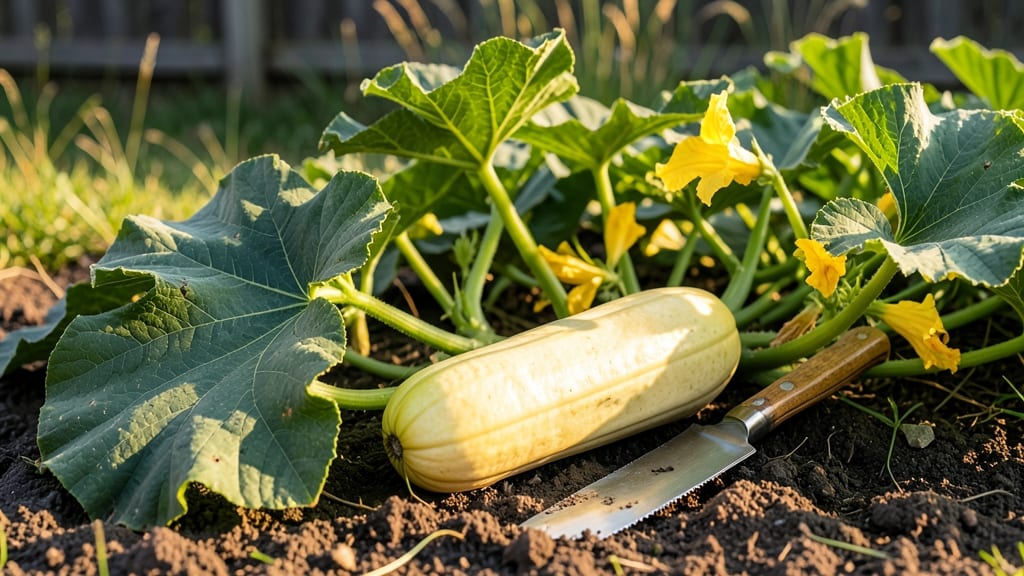
To pick spaghetti squash from your garden at the perfect moment means waiting for the rind to turn dull and the stem to harden like wood 🎃 — not a second too early or late.
Harvesting spaghetti squash at the wrong time means tough, stringy flesh instead of tender, noodle-like strands—so knowing the exact moment to pick is crucial for gardeners.
You’ll spot the ideal time by checking three simple clues: the skin’s matte finish, the stem’s resistance to your fingernail, and the squash’s surprising weight. Skip these tests, and you risk bland or watery results.
Below, I’ll walk you through three tactile tests to nail ripeness, plus how to store your harvest for weeks of easy meals.
3 Tactile tests to determine spaghetti squash ripeness before harvesting
Knowing when to pick spaghetti squash from your garden can transform a tough, fibrous mess into sweet, tender strands. Unlike other squash varieties, spaghetti squash relies on tactile cues—not just color—to signal perfection. These three hands-on tests will help you avoid the disappointment of underripe or overripe fruit.
First, let’s address the most common mistake: waiting too long for the squash to turn orange. While color changes slightly, the true ripeness indicators are hidden beneath the surface. By mastering these tactile tests, you’ll harvest squash at its peak—just in time for that creamy, pasta-like texture we all love.
How to Test Spaghetti Squash Ripeness
-
Test 1: Skin Hardness
Press your fingernail into the squash’s skin. If it doesn’t puncture easily, it’s ready. A soft spot means it needs more time.
-
Test 2: Stem Color & Texture
The stem should turn woody and dull brown. If it’s still green or soft, the squash isn’t fully ripe.
-
Test 3: Weight Check
Lift the squash—it should feel heavy for its size. A light squash is underripe, while an overly heavy one may be overripe.
Let’s break down the skin hardness test first. When your fingernail meets resistance—almost like pressing into a hard apple—the squash is ready. This test is especially critical because spaghetti squash won’t soften further after harvest. Overripe squash becomes watery and seedy, while underripe squash stays tough and bland.
The stem color is another dead giveaway. A ripe stem should be dry, woody, and dull brown. If you twist it gently and it snaps easily, that’s a good sign.
Avoid squash with green or flexible stems—they’re not ready yet. This test is quick and doesn’t require any tools, making it perfect for busy gardeners.
Don’t overlook the weight check, which reveals the squash’s internal moisture balance. A ripe spaghetti squash feels surprisingly heavy for its size because it’s packed with sweet, dense flesh.
If it feels light, it’s still developing. Conversely, if it’s so heavy it’s difficult to lift, it might be past its prime and starting to degrade.
For gardeners in warmer climates, timing is everything. Spaghetti squash matures faster in heat, so monitor these tactile cues closely. In cooler regions, the squash may take longer to ripen, but the same tests apply. Harvest before the first frost—even if the squash isn’t perfectly ripe—to avoid damage.
One common mistake is relying solely on skin color. While the rind may turn from green to a dull yellow, this change is subtle and unreliable.
The true ripeness is hidden in the skin’s firmness, stem’s texture, and the squash’s weight. Trust these tactile clues over visual ones for the best results.
If you’re still unsure, harvest one squash early and test it. Cut it open to check the flesh—ripe spaghetti squash will have golden strands that pull apart easily. This hands-on approach ensures you’ll nail the harvest every time, turning your garden into a source of restaurant-quality squash.
Remember, patience pays off with spaghetti squash. Rushing the harvest leads to disappointment, but these tactile tests give you the confidence to pick at the perfect moment. Once you master them, you’ll never second-guess when to harvest again.
How long does it take for spaghetti squash to ripen after flowering?
Spaghetti squash typically takes 75 to 100 days to ripen after flowering, depending on your climate and growing conditions. In warm regions, you might see harvest-ready squash as early as 80 days, while cooler areas may need the full 100-day window.
Understanding this timeline helps you plan for the best flavor and texture.
After pollination, the squash enters its maturation phase, where its focus shifts from producing flowers to developing fruit. During this time, the vines may start to yellow and die back, signaling that the squash is nearing readiness.
However, don’t rush to pick—waiting for the right cues ensures a perfect harvest.
Climate plays a huge role in ripening speed. In hot, dry climates, spaghetti squash may mature faster, while cooler, wetter conditions can slow the process. If you’re in a shorter growing season, opt for faster-maturing varieties like 'Golden Delicious' or 'Honey Bear' to maximize your harvest.
Here’s what to watch for to avoid picking too early or too late:
If you’re in a cooler climate, extend the timeline by 10–15 days to account for slower growth. Conversely, in hot, dry regions, squash may ripen faster, so monitor closely. Always prioritize visual and tactile checks over strict days-after-flowering rules for the best results.
Once you spot the dull skin and woody stem, it’s time to harvest. Use a sharp knife or pruners to cut the squash from the vine, leaving a 1-inch stem attached to prevent rot.
Store in a cool, dry place for up to 3 months to enjoy your homegrown spaghetti squash all season.