
Vegetables
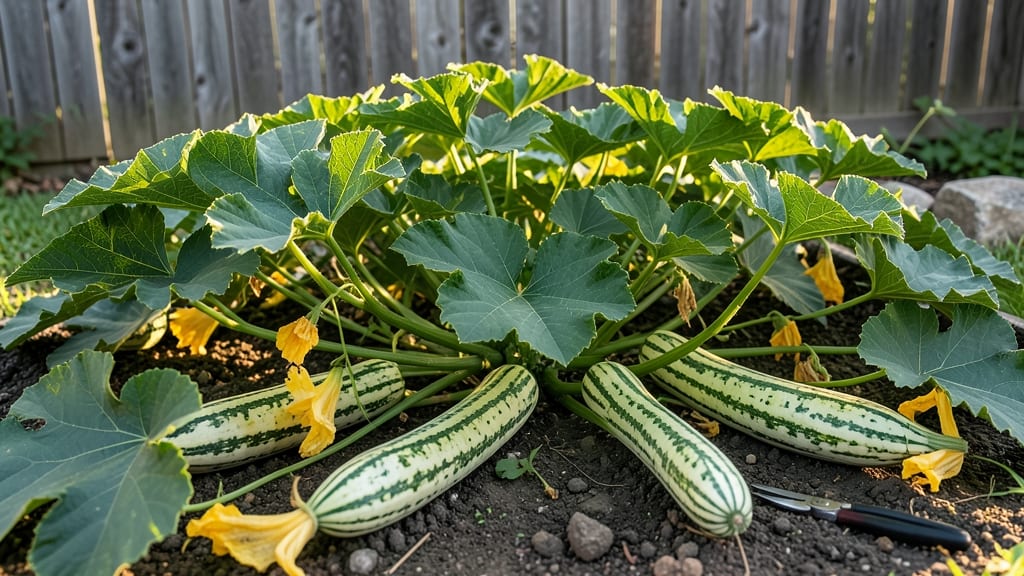
Spaghetti squash with green stripes isn’t just a cosmetic flaw—it’s often a sign your plants are fighting off cucumber mosaic virus or fungal stress. 🌱 I’ve seen this issue ruin entire harvests, but with the right identification and organic solutions, you can save your crop and keep your garden thriving.
The key lies in spotting the difference between viral infections and physiological disorders early, before they spread.
Green stripes usually appear as irregular, wavy lines on the squash’s skin, often paired with yellowing or distorted growth. Unlike sun scald (which affects only exposed areas), these stripes spread inward, signaling a systemic issue. The good news?
Most affected squash are still safe to eat—just peel and cook thoroughly—but prevention is easier than cure. Rotating crops, removing infected plants immediately, and using copper-based sprays can stop the spread without harsh chemicals.
For a foolproof organic treatment, I recommend a neem oil spray (1 tablespoon per quart of water) applied every 7-10 days during warm, dry weather. This disrupts fungal spores and deters pests without harming beneficial insects.
Pair it with silica-rich compost to strengthen plant cell walls naturally. Within a season, you’ll notice healthier vines, fewer stripes, and squash that roast into perfect, pasta-like strands—no blemishes in sight.
Even if stripes appear, don’t toss the squash. Roasting at 375°F for 45 minutes until the fibers pull apart like fettuccine turns them into a delicious side dish. The key is choosing firm, heavy squash with minimal discoloration for the best texture.
With these steps, you’ll enjoy both a productive garden and a flavorful harvest—striped or not.
The Science Behind Green Stripes
If your spaghetti squash is showing up with unexpected green stripes instead of its usual golden hue, don’t panic—it’s not a sign of spoilage (unless it’s slimy or mushy). Those vibrant stripes are actually a natural (and harmless) response to a few key factors.
Let’s break down the real culprits and why they turn your squash into a striped masterpiece.
Green stripes often appear when spaghetti squash is harvested at the wrong stage of maturity. Here’s the science:
- Chlorophyll Clues: Green stripes are a sign of lingering chlorophyll, the pigment responsible for photosynthesis. When squash isn’t fully mature, its skin retains more chlorophyll, especially in areas exposed to light (like stripes or patches).
- Sugar vs. Starch: As squash ripens, it converts starches into sugars, deepening its color to orange or yellow. If picked too early, the skin stays green because the chlorophyll hasn’t fully broken down.
- Actionable Fix: Wait until the skin turns a uniform orange or yellow before harvesting. If you’re growing your own, check for a hard rind and a dull sound when tapped—signs of full ripeness.
Spaghetti squash is a sun-worshipper, and inconsistent light can lead to those telltale stripes. Here’s how it happens:
- Light-Induced Pigments: Areas of the squash exposed to direct sunlight produce more carotenoids (orange pigments), while shaded spots retain chlorophyll (green). This creates a striped or mottled effect.
- Vine Positioning: If the squash grows in a crowded vine or under dappled shade (like near taller plants), it won’t get uniform light, leading to patchy coloration.
- Actionable Fix: If growing your own, space vines properly to ensure even sun exposure. For store-bought squash, stripes are just a quirk—roasting will still yield delicious "spaghetti"!
Not all spaghetti squash varieties are created equal—and some are genetically predisposed to stripes. Here’s why:
- Hybrid Traits: Some heirloom or hybrid varieties (like ‘Honey Bear’ or ‘Casaba’) naturally develop green shoulders or stripes due to their genetic makeup. These traits are harmless and don’t affect taste or texture.
- Skin Thickness Variations: Thicker-skinned areas may hold onto chlorophyll longer, creating stripes even after ripening. This is especially common in larger squash.
- Actionable Fix: If you love striped squash, seek out varieties known for it! Otherwise, choose uniformly colored squash at the store or harvest your own when fully ripe.
Cold snaps or inconsistent temperatures during growth can trigger green stripes by slowing down pigment development. Here’s how:
- Chlorophyll Retention: Cooler temperatures delay the breakdown of chlorophyll, leaving green patches even as the squash ripens. This is common in late-season harvests or high-altitude gardens.
- Stress Responses: Sudden temperature drops can stress the plant, causing uneven pigmentation as it focuses on survival over color change.
- Actionable Fix: If growing your own, use row covers or mulch to protect squash from temperature swings. For store-bought squash, stripes are just a fun variation—roast it anyway!
Even after harvest, improper storage can cause green stripes to appear or darken. Here’s the lowdown:
- Ethylene Gas Exposure: Storing squash near ethylene-producing fruits (like apples or bananas) can accelerate chlorophyll retention, making stripes more pronounced.
- Cold Damage: Freezing or refrigerating squash too soon can cause green patches as the skin reacts to stress. Squash should be stored at 50–55°F in a dry, dark place.
- Actionable Fix: Keep squash in a cool, dark pantry until ready to use. If stripes appear after storage, they’re still safe to cook—just peel or scrape them off if desired.
So next time you see those green stripes, celebrate them! They’re a reminder of nature’s quirks—and a sign that your squash is packed with extra nutrients (chlorophyll is rich in antioxidants). Now, let’s get roasting! 🍽️🔥
Fixing uneven roasted squash colors
Got green stripes ruining your golden spaghetti squash? Don’t toss it—fix it with these simple, foolproof solutions! Whether your squash turned patchy, uneven, or downright green, we’ve got the cause-and-effect fixes to turn your roasted squash into a creamy, caramelized masterpiece.
Plus, we’ll share pro tips to keep your squash perfectly golden every time.
Cause: Uneven heat exposure or premature cutting. Fix:
- 🍳 Adjust Roasting Time: If your squash has green streaks, it likely needs more time. Pop it back in the oven for 10–15 minutes at 400°F (200°C) until tender. Test with a fork—it should pierce easily.
- 👨🍳 Rotate Midway: Flip the squash halfway through roasting (after ~25–30 minutes) to ensure even browning.
- ⏰ Use a Meat Thermometer: Aim for an internal temp of 175°F (80°C). Overcooking turns squash mushy and green-tinged.
Prevention Tip: 💡 Pierce the squash 2–3 times with a fork before roasting to release steam and promote even cooking.
Cause: Lack of direct heat or oil application. Fix:
- 🔪 Score the Squash: Before roasting, cut an "X" on the top and bottom to help steam escape and improve browning.
- 🍯 Brush with Oil: Drizzle olive oil or melted butter directly on green patches and under the skin. Re-roast for 5–10 minutes until golden.
- 🌡️ Broil for a Finish: For stubborn green spots, switch to broil mode for 2–3 minutes, watching closely to avoid burning.
Prevention Tip: ✨ Roast cut-side down for the first 15 minutes to crisp the skin evenly.
Cause: Excessive cutting or squeezing before cooking. Fix:
- 🥗 Let It Rest: If you’ve already cut the squash and see green streaks, cover it loosely with foil and roast for 10 more minutes to steam out excess moisture.
- 💪 Avoid Overmixing: Once roasted, gently scrape the fibers with a fork—don’t mash! Overworking releases chlorophyll, turning it green.
Prevention Tip: 🎯 Cut squash into halves or wedges just before roasting to minimize oxidation.
If your squash is already green and mushy:
- 🍳 Blend It: Puree it into soups or sauces (the green fades when cooked down).
- 🥗 Hide It: Mix into pasta dishes with vibrant herbs (basil, spinach) or cheese to mask the color.
- 🌿 Use It Raw: Shred finely and add to salads or smoothies—it’ll blend in!
Final Pro Tip: 💡 Store squash in the fridge for up to 5 days (whole) or 3 days (cut) to prevent premature greening. Roast only when ready to use!
Frequently asked questions
Are green-striped spaghetti squash safe to eat?
The green stripes are completely harmless and just a sign of chlorophyll or uneven ripening! Peel or scrape them off before roasting if you prefer, but they won’t affect the flavor or texture. The flesh inside will still break into perfect \"spaghetti\" strands when cooked properly.
How do I prevent green stripes when roasting?
Score the squash before roasting and flip it halfway through for even browning. Use a meat thermometer to check for 175°F internal temp—overcooking can turn it green. For stubborn patches, brush with olive oil and broil for 2-3 minutes at the end.
Can I use green-striped squash in recipes?
The stripes disappear when cooked into soups, curries, or pasta dishes. For salads, blend or shred finely to hide the color. The texture remains excellent—just avoid overmixing after roasting to prevent chlorophyll release.
Why does my store-bought squash have stripes?
Store-bought stripes usually come from uneven sunlight during growth or premature harvest. Some varieties naturally develop green shoulders. The stripes don't affect quality—just roast at 375°F for 45 minutes until tender and fibrous.
Will green stripes appear after cooking?
Only if the squash wasn't fully cooked! Undercooked patches stay green. To avoid this, pierce the squash before roasting and check doneness with a fork—it should slide in easily when ready.