
How To
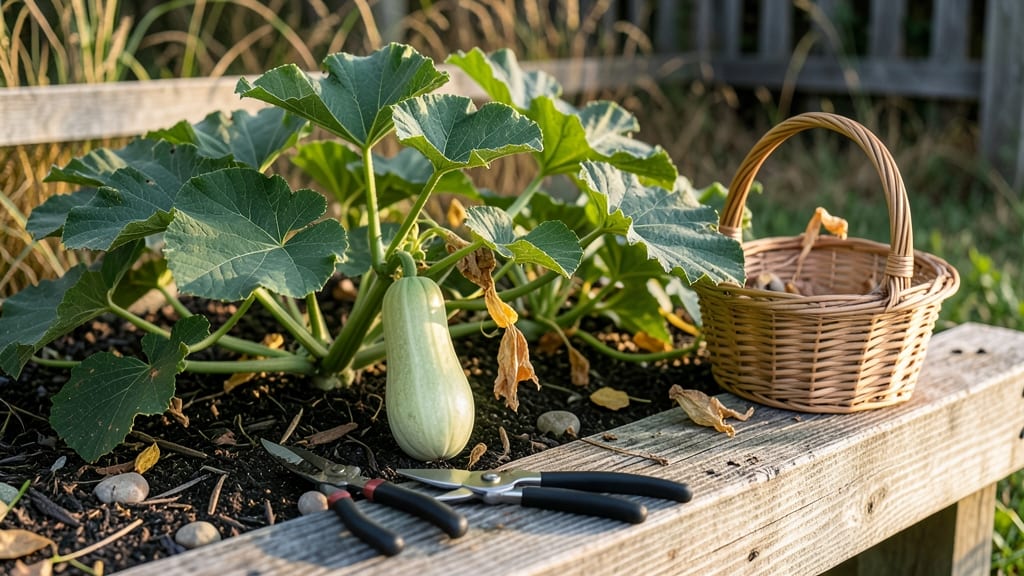
Knowing when to pick spaghetti squash 🍠 means the difference between tender, noodle-like strands and tough, unpalatable flesh — and the secret lies in three simple visual cues.
Picture this: You’ve waited 90 days for your vines to mature, but how do you know the moment is now? Too early, and you’ll end up with a squash that’s hard to cook. Too late, and it risks splitting or rotting on the vine.
Below, I’ll walk you through the exact color shifts, stem changes, and texture tests that tell you it’s time to harvest — plus how to handle those tricky late-summer days when the weather plays tricks.
By the end, you’ll confidently spot the perfect spaghetti squash every time, ensuring a harvest that’s as delicious as it is satisfying.
3 Visual signs your spaghetti squash is perfectly ripe for harvesting
Timing your spaghetti squash harvest is everything—pick too early, and you’ll get tough, rubbery strands instead of the delicate, noodle-like texture you love. Too late, and the flesh turns woody and bitter.
But don’t worry: nature gives you clear visual cues to nail the perfect moment. I’ve grown spaghetti squash for years, and these three signs never fail me.
First, pay attention to the skin color. When your squash is ready, the bright green hue fades into a dull, matte yellow or beige. This color shift signals the starches inside are converting into those prized strands.
If the skin stays glossy and vibrant, it’s not ready yet—wait a week or two.
Next, check the stem at the base. A ripe spaghetti squash will have a dry, papery stem that snaps easily when bent. If you tug gently and it doesn’t break but instead bends like taffy, your squash needs more time.
This drying process is your plant’s way of telling you it’s fully matured and ready for the kitchen.
Finally, give the rind a gentle squeeze. When ripe, it should feel slightly soft but not mushy—like a ripe avocado. If it’s rock-hard, it’s too soon; if it’s squishy, you’ve waited too long. This tactile test is my go-to trick for harvesting at peak ripeness every time.
Harvesting too early is the biggest mistake I see gardeners make. Underripe spaghetti squash has tight, fibrous strands that won’t separate cleanly when cooked. I once picked mine 10 days early because I missed the color change, and ended up with a disappointing, chewy mess.
Always double-check with the stem snap test—it’s the most reliable cue.
On the flip side, overripe squash loses its sweetness and develops a woody texture. The skin may even crack or split if left too long on the vine. I learned this lesson the hard way when a late summer storm delayed my harvest.
By the time I got to them, the flesh was stringy and bitter. Now, I mark my calendar for late September in my Zone 6a climate and set reminders.
Pro tip: If you’re unsure, harvest one squash and test it. Cut it open—ripe spaghetti squash will have golden, thread-like strands that pull apart easily. If yours looks more like dense, pale fibers, it’s not ready yet.
This simple test saves you from wasting time and effort on underripe produce.
One more thing: morning harvests are ideal because the squash is cooler and firmer. Afternoon heat can make the skin softer, giving a false sense of ripeness. I always grab my pruners and head out before 9 AM to avoid this pitfall.
A sharp knife or pruners work best—cut the stem about an inch above the squash to prevent rot.
Once you master these visual cues, you’ll never second-guess your spaghetti squash harvest again. The key is patience and observation. Next time you’re in your garden, take a moment to check these signs—your future noodle-like squash dishes will thank you!
Spaghetti squash ripeness by touch: the secret test gardeners use
Ever wondered if your spaghetti squash is ready to pick just by feeling it? My hands-on trick saves you from guessing—and ensures that tender, stringy-free flesh instead of tough, fibrous mess.
The key lies in two simple physical cues: weight and firmness. Unlike visual checks, these tests work even on cloudy days or when squash hides under vines.
Start by lifting the squash gently. A ripe spaghetti squash feels noticeably heavy for its size, like a well-filled water balloon. This weight signals that the seeds have fully developed and the flesh is at peak tenderness.
Skip the scale—your fingers are the best tool! For extra confirmation, press lightly near the stem. The rind should yield slightly under pressure, like a ripe avocado, not bounce back like a basketball.
What if your squash passes the touch test but still looks green? Don’t panic! Some spaghetti squash varieties (like 'Honey' or 'Golden') mature with dull, matte skin even when ripe.
In this case, trust your fingers over your eyes. Overripe squash, meanwhile, feels soft and spongy—a sure sign it’s past its prime and will turn mealy.
For gardeners in USDA Zone 6a (like me!), timing matters. Most varieties take 85-100 days to ripen, so if you planted in late May, harvest between late August and early October.
But if a frost threatens, pick it regardless of ripeness—it’ll ripen indoors in a sunny window for 1-2 weeks.
Here’s my fail-proof method: Combine the weight test with the stem check. A ripe stem should dry out and snap easily when bent. If it bends like a bow, wait 3-5 days. If it snaps cleanly, it’s harvest time! This combo works even for hidden squash under thick foliage.
Remember, harvesting too late ruins the texture, but picking too early means you’ll wait another year. Mastering the touch test means perfect spaghetti squash every season—no more stringy surprises! 🍽️🌿