
Picking
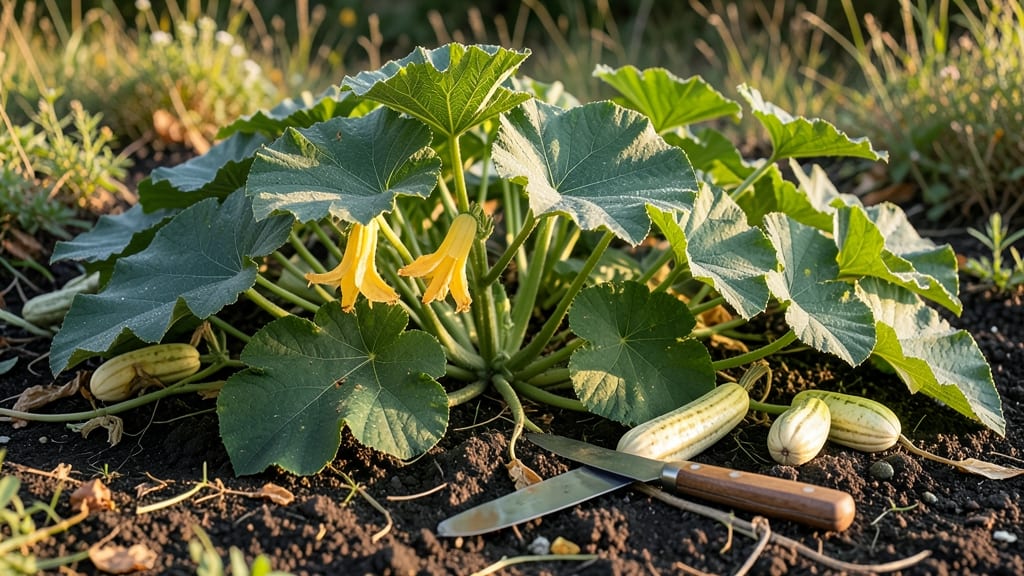
To pick spaghetti squash from the vine at peak sweetness, wait until the rind turns dull yellow and firm, the seeds rattle when shaken, and the stem detaches easily. Harvesting too late causes the flesh to toughen and lose its natural sugar content.
Spaghetti squash reaches its perfect harvest window when three key signs align: the skin shifts from bright green to a matte yellow, the weight feels substantial in your hand, and a gentle shake reveals the seeds rattling inside. 🌱 This transition signals the plant has converted starches into sugars, creating that signature sweet flavor.
The stem's clean separation from the vine is your final green light—any resistance means the squash is overdue. I've learned the hard way that waiting too long transforms that delicate, stringy flesh into something closer to rubber, no matter how you cook it.
Beyond these visual cues, timing matters too. Morning harvests yield the freshest squash, as daytime heat hasn't yet stressed the plant.
Store newly picked squash in a cool, dry place for up to two weeks, or extend its shelf life by curing it in a warm spot for a few days before refrigeration.
This simple process preserves both texture and sweetness, making your spaghetti squash taste like it just came from the garden.
💡 In This Article
- How to Test Spaghetti Squash Ripeness Before Harvesting
- Optimal Harvesting Conditions for Sweet Spaghetti Squash
How to test spaghetti squash ripeness before harvesting
The color transformation of spaghetti squash rind reveals a fascinating botanical process. As the squash matures, chlorophyll breaks down and carotenoids (like beta-carotene) emerge, shifting the skin from vibrant green to a dull, golden yellow.
This isn't just a visual cue—it's a sign the plant has completed its starch-to-sugar conversion, typically peaking when the rind reaches 50-60% yellow coverage. The dullness indicates the protective wax coating has fully developed, creating that signature matte finish that repels moisture and pests.
That telltale seed rattle happens because the inner cavity expands as the squash fills with seeds and flesh. When you shake a ripe specimen, you're hearing the seeds (typically 20-30 per squash) knocking against the inner walls—a sound that becomes more pronounced as the flesh thickens.
The rind's firmness comes from increased cellulose production in the outer layer, which reaches its peak hardness when the squash is ready.
Pressing your thumbnail should leave only a slight dent, not a deep impression. 🌱 What's less obvious is how the stem's pectin content changes—when ripe, the stem's pectin breaks down, allowing it to separate cleanly from the vine with just a gentle twist.
Overripeness triggers a biochemical shift where sugars begin converting back to starches, reducing sweetness by up to 30%. The rind also develops a rough, almost papery texture as the cells dry out.
I've noticed this most dramatically with squash left on the vine during hot, dry spells, where the plant accelerates its sugar depletion to survive.
The flesh becomes denser and less stringy, losing that signature "spaghetti" texture that makes this squash so special in dishes like roasted spaghetti squash with garlic and herbs.
For the most accurate test, combine all three cues: color, rattle, and stem separation. The stem should pull away with minimal force—if it resists, the squash is still maturing. Here's a quick reference:
- Color: 50-60% dull yellow coverage
- Sound: Clear seed rattle when shaken
- Touch: Firm rind with no deep thumb indent
- Stem: Separates cleanly with gentle twist
Temperature plays a hidden role too. Squash grown in 75-85°F conditions develop sweeter flesh because the enzymes responsible for sugar conversion work optimally in this range. Cooler climates produce squash that's more starchy and less flavorful—a key reason why gardeners in northern regions often struggle with sweetness levels. The solution? Plant in full sun and use black plastic mulch to create a warmer microclimate around the vines. 🌿
One final pro tip: Harvest in the morning after dew has evaporated but before midday heat sets in. The cooler temperatures preserve the squash's natural moisture content, which directly impacts both sweetness and storage life.
I've found that morning-picked squash maintains its ideal texture for 10-14 days at room temperature, compared to just 5-7 days for those harvested in the afternoon.