
Vegetables
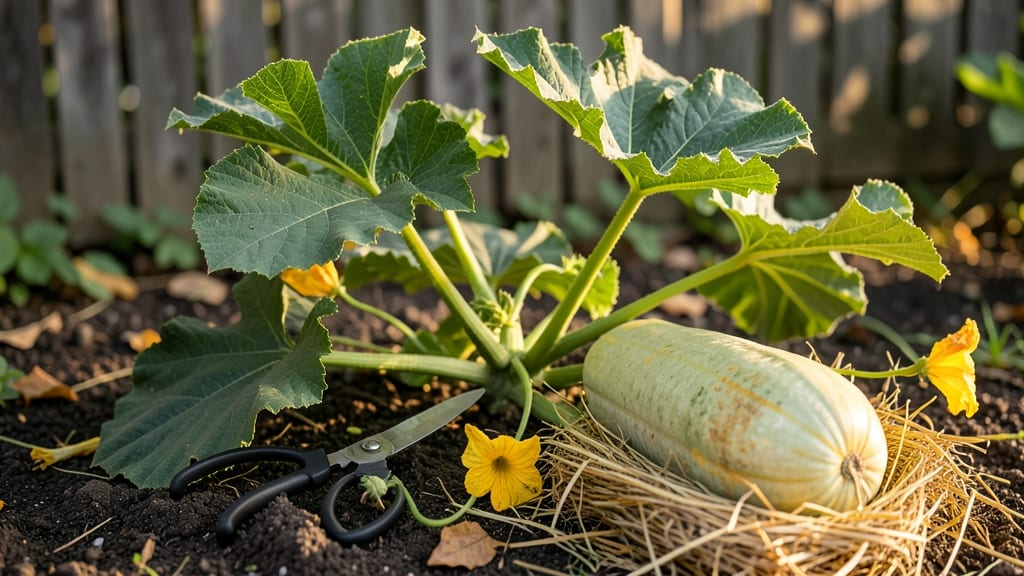
To pick spaghetti squash ripe at the perfect moment means the difference between tender, noodle-like flesh and tough, stringy disappointment.
Picture this: you’ve nurtured your 🎃 spaghetti squash all season, and now the stakes are high—harvest too early, and the texture is off; wait too long, and the flavor fades.
The key lies in knowing the exact visual cues and timing that signal readiness, whether you’re in Zone 6a or beyond.
From the moment flowers fade to the subtle color shifts on the rind, I’ll walk you through the step-by-step signs that guarantee a harvest worth celebrating. Plus, I’ll share how to test ripeness without guesswork and avoid the common mistakes that turn a great crop into a culinary letdown.
By the end, you’ll know not just when to pick, but how—so every squash you harvest delivers that perfect, restaurant-quality texture you’ve been dreaming of.
Visual and physical signs your spaghetti squash is ripe
Knowing exactly when to harvest your spaghetti squash can transform a tough, unappetizing squash into a delicious, tender harvest. Unlike other winter squash, spaghetti squash has specific visual and physical cues that signal peak ripeness.
Ignoring these signs often leads to either underripe, stringy flesh or overripe, woody texture—neither of which is ideal for your dinner table.
When I first grew spaghetti squash, I made the mistake of harvesting based on days alone, only to end up with unripe squash that fell apart when cooked. Since then, I’ve learned to rely on a combination of skin color, stem changes, and weight to determine the perfect moment.
These cues work together to ensure you get that noodle-like texture we all love.
The most reliable way to check ripeness is by combining three key indicators: the skin color, the stem condition, and the squash’s weight and firmness.
Each of these factors plays a crucial role, and missing even one can lead to a less-than-perfect harvest. Let’s break down what to look for at each stage.
The skin color is your first clue. A ripe spaghetti squash will shift from bright green to a dull yellow or tan. This change happens gradually, so don’t rush—wait until the color is consistently matte, not glossy.
I’ve seen gardeners pick too early because they focused only on the stem, only to regret it later when the flesh was tough and fibrous.
Next, check the stem. A ripe stem should feel dry and hard, almost like a small twig. If you gently twist it, it should snap off cleanly rather than tear. A soft, green stem means the squash isn’t ready yet.
I learned this the hard way—once, I harvested a squash with a soft stem, and the inside was still pale and uncooked.
Don’t overlook the weight and firmness of the squash. A ripe spaghetti squash feels surprisingly heavy for its size because it’s dense with flavor. Press your thumbnail into the skin—if it doesn’t dent easily, it’s ready.
If the skin gives slightly, wait a few more days. This test is especially useful when the other signs are borderline.
One common mistake I see is harvesting based on days alone. While spaghetti squash typically matures in 85-120 days, environmental factors like temperature and sunlight can delay ripening.
Always double-check with the visual cues above before picking. Another pitfall is waiting too long—overripe squash develops a woody texture and loses sweetness.
Finally, observe the vines. When the vines start to yellow and die back, it’s a sign that the plant is redirecting energy to the squash.
This is your last chance to check ripeness before the squash might overmature. If the vines are already brown and crispy, you’ve missed the window.
By combining these visual and physical signs, you’ll consistently harvest spaghetti squash at its peak. Trust me, your taste buds—and your dinner guests—will thank you for that perfect noodle-like texture every time. 🎃
Optimal harvest timing: days to maturity and seasonal factors
Timing your spaghetti squash harvest correctly ensures you get that signature tender, stringy flesh instead of tough, unpalatable pulp. The days to maturity range for spaghetti squash typically falls between 85 and 120 days, but the ideal harvest window is around 100 days after planting.
This timeline assumes you've planted seeds or transplants at the right time—usually after the last frost in spring.
However, seasonal factors like your local climate, frost dates, and even weather patterns can shift this window. For example, in USDA Zone 6a, where frost-free days average 165 days, spaghetti squash thrives when planted in mid-April to early June and harvested in late September to October.
If you live in a warmer zone, you might extend your harvest into November, while cooler regions may need to pick earlier.
- 1
- 2
- 3
- 4
- 5
To fine-tune your harvest timing, I recommend tracking both calendar days and physical cues. For instance, if you planted on May 15 and your squash flowers in early July, count 45–50 days from flowering to harvest. This method works even if your growing season is shorter than average.
Pro tip: Label your plants at planting with the date and variety. This helps you track progress and adjust for early or late planting.
For example, if you planted 'Honey Bear' (a slower variety) on April 1, expect harvests between July 15 and August 15, depending on weather. If you miss the window, you can try curing squash indoors to extend shelf life, but flavor will decline.
Finally, don’t overlook regional adjustments. Gardeners in Zone 7b or warmer can push harvests into November, while those in Zone 5 may need to harvest by late September.
Always check your local frost dates and plan accordingly—a single hard frost can ruin an otherwise perfect crop. 🎃