
Picking
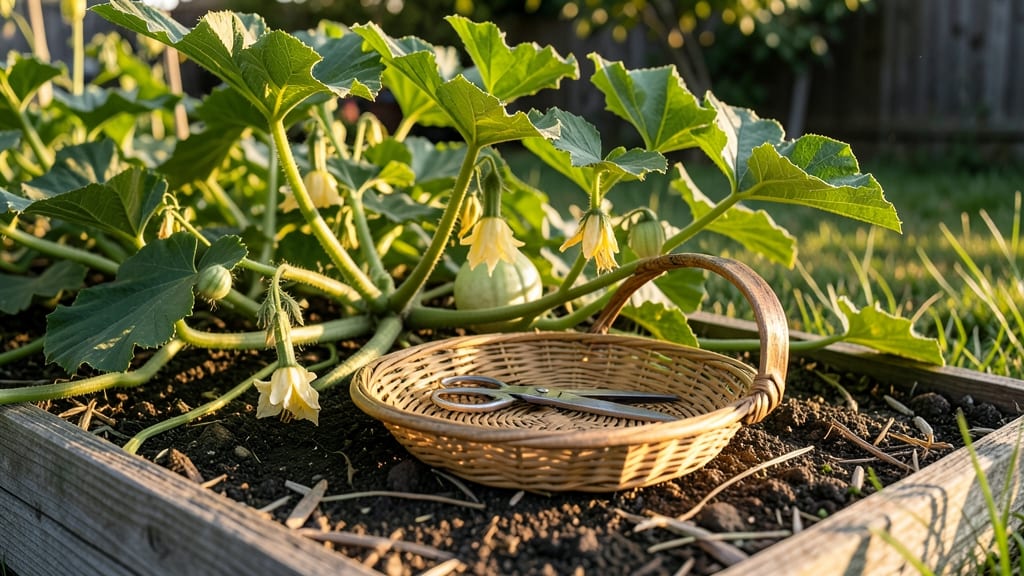
Harvesting squash flowers at their peak means tender, delicate blooms perfect for frying or garnishing—just 2-3 days after they open fully. 🌸 I learned this the hard way when my first batch of zucchini flowers turned rubbery because I waited too long.
The timing makes all the difference between restaurant-worthy dishes and sad, wilted petals.
You’ll need sharp scissors or pruners (clean ones!) and a sunny morning for the freshest harvest. The key is cutting the stem about 1-2 inches below the flower—this prevents damage to the plant and encourages more blooms.
Most gardeners worry harvesting will reduce fruit production, but done right, it actually stimulates more flowers to form.
What you’ll end up with are fragrant, crisp blooms that taste like summer in every bite.
The male flowers (long stems, no squash at the base) are the best for cooking, while the female flowers (tiny squash at the base) can be used too if you’re not saving them for fruit.
A single plant can yield dozens of blooms over the season if you maintain it well.
For best results, harvest in the morning after dew dries but before the heat sets in. If you’re short on space, harvesting flowers actually helps control overproduction of squash—just leave enough females to get the harvest you want.
The secret to keeping plants productive? Consistent watering and a balanced fertilizer like 10-10-10 applied every 3-4 weeks.
📚 In This Guide
- What you need
- Instructions
- Tips and common mistakes
- Wrapping up and next steps
What you need
- ● Pruning shears or sharp scissors: Opt for clean, sterilized tools (like Felco F-2 or Gonicc pruners) to avoid damaging stems or spreading disease.
- ○ Gloves (optional but recommended): Lightweight gardening gloves (e.g., Foxelli or Gloves by Gardener’s Supply) to protect hands from prickly vines or sap.
- ● Small bowl or basket: A shallow container (like a ceramic bowl or mesh produce bag) to hold freshly picked flowers.
- ○ Water spray bottle (optional): A 16-ounce misting bottle to lightly dampen flowers if harvesting in hot weather.
- ● Notebook & pen (for tracking): To log bloom types (e.g., butternut, zucchini, or acorn) and harvest dates.
- ● Mature squash plants: Ensure vines are at least 4-6 weeks old (e.g., butternut, delicata, or zucchini varieties) with fully open, vibrant flowers (male blooms have long stems; female blooms have tiny squash at the base).
- ● Morning harvest timing: Pick flowers early in the day (6–9 AM) when blooms are freshest and dew is still present.
- ● Sunny, dry conditions: Avoid harvesting after rain or if flowers appear wilted—ideal weather is 70–85°F (21–29°C) with light humidity.
Step-by-Step instructions for harvesting squash flowers
Here's how to pick perfect edible blooms without stressing your plants.
🌿 Step 1: Identify the Right Flowers to Harvest
Focus on female flowers—they're the ones with tiny squash forming at their base, often called "squash babies." Male flowers appear first and have long stems with no swelling. Female flowers sit directly on the main vine, with a small round fruit starting to form behind the bloom.
Harvest in the morning when flowers are fully open but still fresh. Look for blooms that have just unfurled their petals completely—this means they're at peak flavor and texture. I always check the underside of the leaves first, as that's where the female flowers often appear earliest in the day.
⏰ Step 2: Time Your Harvest for Maximum Flavor
Pick flowers when they're fully open but before the petals start to yellow or wilt. This usually happens within 2-3 days of opening. The best time is early morning after the dew has dried but before the sun gets too hot—around 7-9 AM works perfectly in most climates.
Don't wait until the flower is past its prime. Overripe blooms develop a bitter taste and tougher texture. You'll know you've waited too long when the petals start curling inward or the center turns brownish. I've learned this the hard way—once I used flowers that had sat open overnight, and they were nearly inedible!
✂️ Step 3: Harvest with Precision to Protect the Plant
Use clean, sharp scissors or pruning shears to cut the flower stem at a 45-degree angle, about 1 inch below the bloom. This prevents water from pooling on the cut and encourages new growth. Avoid pulling flowers by hand—this can damage the delicate vine and stress the plant.
Be gentle with the main stem. Never cut more than 2-3 flowers per plant per day, as excessive harvesting weakens the plant and reduces fruit production. I always prioritize harvesting from the outer vines first, leaving the center of the plant to focus on producing more flowers and squash.
💧 Step 4: Store and Use Flowers Immediately
Once harvested, store flowers in a paper towel-lined container in the refrigerator for up to 2 days. The paper towel absorbs excess moisture and keeps them fresh longer. For best results, use them the same day—fresh squash flowers have the most delicate flavor and tender texture.
If you're not using them immediately, you can also blanch and freeze the flowers for up to 3 months. To blanch, dip the flowers in boiling water for 30 seconds, then plunge them into ice water to stop the cooking process. Drain well and store in an airtight container. This preserves their flavor for later use in soups or fritters.
🌱 Step 5: Encourage More Blooms After Harvesting
After harvesting, give the plant a light watering if the soil feels dry to the touch. Focus on keeping the soil consistently moist but not soggy—1 inch of water per week is ideal. Avoid overwatering, as this can lead to fungal issues that reduce flowering.
Feed the plant with a balanced fertilizer every 2-3 weeks to encourage more blooms. I use a 10-10-10 or 5-5-5 fertilizer diluted to half strength. This helps replenish nutrients and keeps the plant vigorous. Also, ensure the plant gets 6-8 hours of full sun daily—this is crucial for continuous flowering.
Tips & tricks for perfect squash flower harvesting
These little-known tricks will help you harvest the most flavorful, tender squash flowers without harming your plants.
Timing is Everything: The 2-3 day window after a female flower fully opens is your sweet spot for harvesting. I've found that checking blooms between 7-9 AM gives you the freshest flowers, as they've had time to fully unfurl overnight but haven't yet started wilting. This morning window is when the flowers are at their peak tenderness and flavor—trust me, that's when they taste most like delicate, edible blossoms.
Visual Cues for Perfect Harvesting: In Step 1, when identifying flowers, look for that telltale "squash baby" at the base of female blooms—it's your green light to harvest. For timing in Step 2, watch for petals that are fully unfurled but still vibrant in color. If you see any yellowing at the edges or brown spots in the center, it's too late—the flower has already started to spoil. I once harvested a batch that had sat open overnight, and they were tough and bitter—never again!
Plant Preservation: The 45-degree angle cut in Step 3 isn't just about technique—it's about giving your plant the best chance to recover. That 1-inch distance from the bloom prevents water from pooling and creating entry points for disease. And remember the 2-3 flower limit per day? That's not arbitrary—it's what keeps your plant thriving. I've seen gardeners over-harvest and end up with fewer flowers later in the season because they stressed the plant too much.
Storage Wisdom: That 2-day refrigerator life for harvested flowers is real, but don't be fooled into thinking they'll stay fresh longer. The paper towel trick is crucial—it absorbs moisture that would otherwise make your flowers soggy and unappetizing. For freezing, the 30-second blanch is non-negotiable if you want to preserve that delicate texture. I've tried freezing unblanched flowers, and they turned mushy when thawed—don't make that mistake!
Pro Tips for Harvesting Squash Flowers
- These little-known tricks will help you harvest the most flavorful, tender squash flowers without harming your plants.
- Timing is Everything: The 2-3 day window after a female flower fully opens is your sweet spot for harvesting.
- Visual Cues for Perfect Harvesting: In Step 1, when identifying flowers, look for that telltale "squash baby" at the base of female blooms—it's your green light to harvest.
Frequently asked questions
Got questions about harvesting those gorgeous squash blossoms? You’re not alone! Here are some of the most common queries—plus straightforward answers to help you nail the process.
When is the best time of day to harvest squash flowers?
The ideal window is early morning (just after dew dries) or late afternoon (before sunset). This ensures the flowers are fully open, fresh, and packed with flavor. Avoid harvesting in peak heat—it can wilt delicate petals and reduce taste.
How often should I harvest squash flowers?
Harvest every 2–3 days during peak bloom (usually late spring to early summer). Overharvesting can stress the plant, but don’t skip it—flowers left unharvested may drop pollen and reduce fruit production. Aim for 3–5 flowers per plant weekly for balance.
Can I harvest squash flowers if it’s raining?
Wait for dry weather! Rain can dilute flavor, make petals soggy, and attract pests. If you must harvest after rain, let flowers dry completely (2–4 hours) in shade before using. Wet flowers also spoil faster—store them in a paper towel-lined container to absorb moisture.
What if my squash plant isn’t flowering yet?
Patience (and a little help) can turn things around! Ensure your plant gets full sun (6+ hours/day) and well-draining soil. If it’s young, wait 4–6 weeks after transplanting. For mature plants, check for nutrient deficiencies (add compost or a balanced fertilizer) or pests (like squash vine borers).
Are there alternatives if my squash flowers are closed or damaged?
Yes! Use buds that are just about to open—they’ll bloom within hours if placed in a vase with water. For damaged flowers, trim off wilted petals and use the stamen (male flowers) or pistil (female flowers) separately. Male flowers (with long stems) are often more tender and flavorful!
Wrapping up and next steps
Harvesting squash flowers is a rewarding way to elevate your garden—and your plate! By mastering the right timing and techniques, you’ll enjoy delicate, flavorful blooms that brighten salads, garnishes, and even cocktails.
Whether you’re a seasoned gardener or just starting, every harvest brings you closer to a fresh, homegrown feast.
Ready to turn your garden into a blooming kitchen? Start small—pick a few flowers today, experiment with recipes, and watch your confidence (and harvest) grow! 🌱✨