
Blooming
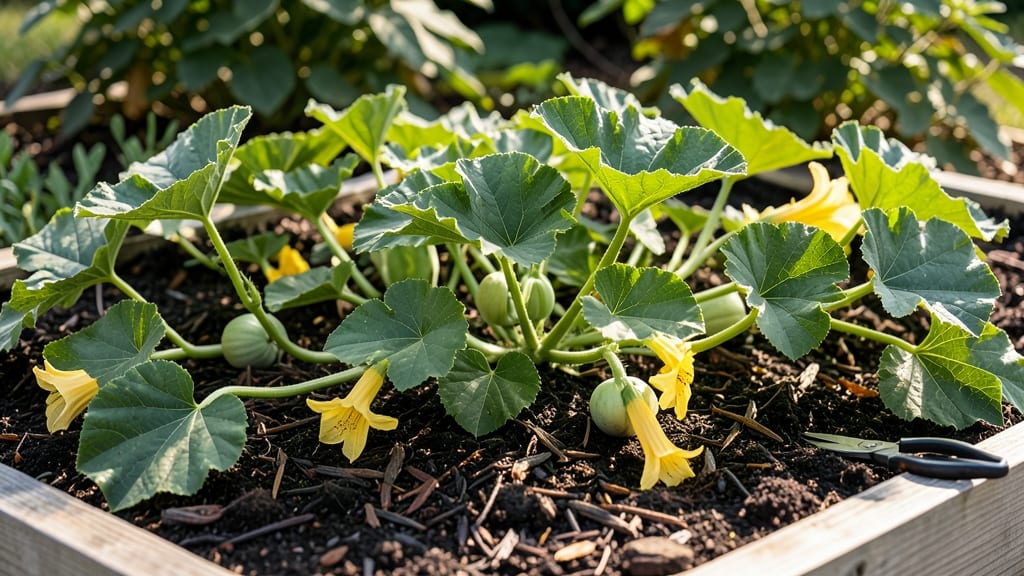
Butternut squash blossoms aren't just pretty—they're the secret to a bountiful harvest. 🌸 I remember my first year growing squash, when I thought the flowers were just decorative, only to realize they're the key to sweet, plump fruit.
These delicate blooms attract pollinators while also being edible, adding a floral touch to your dishes.
The magic happens when you create the right conditions: full sun, proper spacing, and healthy vines. Most home gardeners don't realize that even a few bees visiting your blossoms can mean the difference between a handful of squash and a bushel.
The blossoms themselves are tender and short-lived, so timing is everything—once they open, pollination needs to happen within 24 hours for fruit to set.
You'll know you're on the right track when your vines burst with bright yellow and orange blossoms that stay open during the day. Each successful pollination means a future squash, and with the right care, you could end up with more fruit than you know what to do with.
The key is watching those blossoms closely and giving them the best chance to do their job.
Whether you're growing for food, flowers, or both, these blossoms are your garden's hidden superstars. With a little attention to pollination and vine health, you'll transform your patch into a thriving pollinator haven that rewards you with delicious harvests. Here's how to make the most of them!
📚 In This Guide
- What you need
- Instructions
- Tips and common mistakes
- Wrapping up and next steps
What you need
- ● Butternut squash seeds or seedlings: Choose heirloom or pollinator-friendly varieties like ‘Waltham Butternut’ or ‘Sugar Pie’. (3–5 plants per 100 sq ft for optimal blossoms!)
- ● Well-draining soil: Mix in compost (2–3 inches) for nutrient-rich, slightly acidic soil (pH 6.0–6.8).
- ● Sunlight access: Full sun (6–8+ hours daily) is a must for vibrant blossoms.
- ● Watering can or drip irrigation: Keep soil consistently moist (1–1.5 inches per week) but avoid waterlogging.
- ● Garden trowel or transplanter: For planting seeds/seedlings (1–1.5 inches deep).
- ● Pruning shears: To harvest blossoms or trim excess foliage.
- ○ Pollinator-friendly mulch (optional): Straw or shredded leaves to retain moisture and attract bees.
- ● Food-safe spray bottle (for culinary use): Fill with water or edible-infused vinegar to gently clean blossoms before cooking.
- ● Bee houses or native wildflower companions (e.g., borage or nasturtiums) to boost pollinator activity.
- ● Culinary ingredients: Honey, butter, or citrus zest to pair with your blossom harvests!
- ● Camera or sketchbook: To capture the delicate, ephemeral beauty of the blooms.
How to grow and harvest butternut squash blossoms for edible flowers
Here’s how to coax those delicate, edible blossoms from your butternut squash plants—plus how to enjoy them in the kitchen.
🌱 Step 1: Choose the Right Variety and Plant for Optimal Blossoms
Start with a vining butternut squash variety like 'Waltham' or 'Long Island Cheese,' as they produce the most abundant flowers. Plant seeds ½ inch deep in well-draining soil after the last frost when soil reaches 60°F. Space plants 4-5 feet apart to give vines room to sprawl—crowding stresses plants and reduces flowering.
Butternut squash thrives in full sun (6-8 hours daily) and rich, slightly acidic soil with a pH of 6.0-6.8. Work in 2-3 inches of compost at planting time to encourage strong, healthy vines that will support more blossoms. Avoid fresh manure—it can burn tender roots and delay flowering.
☀️ Step 2: Provide Consistent Care for Heavy Flowering
Water deeply 2-3 times per week, aiming for 1-1.5 inches of moisture per week. Let the top 2 inches of soil dry between waterings to prevent fungal diseases like powdery mildew, which can stunt blossoms. Mulch around plants with 2-3 inches of straw to retain moisture and keep roots cool—hot roots stress the plant and reduce flower production.
Fertilize lightly at planting with a balanced 10-10-10 formula, then side-dress with ½ cup of compost when vines reach 3 feet long. Too much nitrogen promotes leafy growth at the expense of flowers. Watch for yellowing leaves—this often signals over-fertilization or underwatering, both of which cut back on blossoms.
🐝 Step 3: Encourage Pollinators and Protect Blossoms
Butternut squash flowers rely on bees and other pollinators, so avoid pesticides. Plant companion flowers like marigolds or nasturtiums nearby to attract pollinators. If your garden lacks bees, hand-pollinate by gently brushing stamens with a paintbrush between 8-10 AM when flowers are fully open.
Harvest blossoms in the morning after dew dries for peak flavor and appearance. Use clean scissors to snip stems just above a leaf node—this encourages more flowers to form. Avoid harvesting more than ⅓ of the blossoms from a single vine at once, or the plant may focus on fruit production instead.
🍽️ Step 4: Use Blossoms Fresh or Preserve for Later
Butternut squash blossoms have a delicate, slightly sweet flavor with a hint of squash. Use them fresh in salads, as garnishes for soups, or lightly battered and fried. For best results, harvest when fully open but before petals begin to yellow. Rinse gently in cold water and pat dry with a paper towel to remove any debris.
To preserve blossoms, blanch for 30 seconds in boiling water, then shock in ice water. Dry on a mesh rack or freeze in an airtight container with a paper towel to absorb moisture. Frozen blossoms keep for up to 6 months and can be used in cooked dishes like risotto or pasta.
⏰ Step 5: Time Harvests for Peak Season and Storage
Blossoms appear 6-8 weeks after planting, with the main harvest window lasting 4-6 weeks. Peak production happens in late summer to early fall, so plan your garden layout to stagger plantings if you want continuous flowers. Once squash begin forming, reduce blossom harvesting to let the plant focus on fruit development.
Store harvested blossoms in the fridge for up to 3 days in a paper towel-lined container to maintain crispness. For long-term storage, freeze blossoms in single layers on a tray before transferring to a bag—this prevents clumping and makes them easier to use later. Label bags with the date to track freshness.
Tips & tricks for perfect butternut squash blossoms
Here's what nobody tells you about maximizing those gorgeous edible blooms from your squash plants.
Soil Temperature Secret: That 60°F soil temperature in Step 1 is non-negotiable for germination. Use a soil thermometer to verify—cold soil delays sprouting and weakens vines that won't support many blossoms. I've seen seeds take 3 weeks to sprout in 55°F soil, while they pop up in 3-5 days at 60°F.
Watering Wisdom: The 2-3 inches of weekly moisture in Step 2 should be consistent, but don't drown your plants. I measure rainfall and adjust my watering schedule—too much water stresses the plant just as much as too little. Yellowing leaves often mean overwatering, not underwatering, so let that top 2 inches dry between sessions.
Hand-Pollination Hack: When you're hand-pollinating between 8-10 AM in Step 3, focus on the male flowers first—they have long stems and no bulb at the base. Brush their stamens onto female flowers (the ones with tiny bulbs at the base). This ensures better fruit set later, which means more blossoms next season!
Preservation Pro Tip: For freezing blossoms in Step 4, don't skip the single-layer tray method. I learned this the hard way—when I froze them directly in bags, they all clumped together into one giant mess. The 30-second blanch is also key—it stops enzymes that would make them turn brown and lose flavor during storage.
Pro Tips for Butternut Squash Blossom
- Here's what nobody tells you about maximizing those gorgeous edible blooms from your squash plants.
- Soil Temperature Secret: That 60°F soil temperature in Step 1 is non-negotiable for germination.
- Watering Wisdom: The 2-3 inches of weekly moisture in Step 2 should be consistent, but don't drown your plants.
Frequently asked questions
Got questions about butternut squash blossoms? You’re not alone! Here are some answers to help you navigate growing, harvesting, and enjoying these edible beauties.
Can you eat butternut squash blossoms raw?
Yes! Butternut squash blossoms are edible raw and have a mild, slightly sweet flavor with a delicate crunch. They’re often used as garnishes in salads, soups, or cocktails. Just ensure they’re pesticide-free and thoroughly washed before eating. For a more tender texture, lightly blanching them (dipping in boiling water for 10–15 seconds) is a great option.
When is the best time to harvest butternut squash blossoms?
Harvest blossoms in the morning after the dew has dried but before the heat of the day sets in. Look for fully opened flowers that are bright yellow and vibrant—avoid wilted or damaged ones. Pick them gently by twisting the stem, and use them immediately or refrigerate for up to 3 days for the freshest flavor and texture.
What do I do if my butternut squash blossoms aren’t opening?
Blossoms may fail to open due to lack of pollinators (like bees), extreme heat, or overcrowded plants. Hand-pollinate by gently transferring pollen from male (long-stemmed) to female (small squash at the base) flowers using a small brush. Ensure your plants get plenty of sunlight (6–8 hours daily) and well-draining soil to encourage blooming.
Can I grow butternut squash just for the blossoms?
While butternut squash is grown primarily for its fruit, the blossoms are a bonus. Focus on planting in a sunny spot with rich soil, and you’ll get both edible flowers and squash. For a blossom-only harvest, you can even prune the vines to redirect energy toward flower production—but expect fewer squash in return.
What’s a good substitute if I can’t find butternut squash blossoms?
If butternut squash blossoms aren’t available, try other edible flowers like nasturtiums (peppery, tangy), violets (sweet), or zucchini blossoms (milder flavor). For a non-floral option, thinly sliced radish petals or microgreens can add a similar pop of color and freshness to dishes.
Wrapping up and next steps
Butternut squash blossoms aren’t just a feast for the eyes—they’re a delicious, sustainable, and pollinator-friendly gift from your garden! Whether you’re savoring them in salads, frying them up, or simply admiring their beauty, these edible flowers bring joy to both your plate and the bees buzzing around. 🐝✨
Ready to dive deeper? Start by planting a few butternut squash seeds this season—your taste buds (and local pollinators) will thank you! Or, if you’re already growing them, harvest those blossoms early and often for the freshest flavors. Happy gardening!