
Vegetables
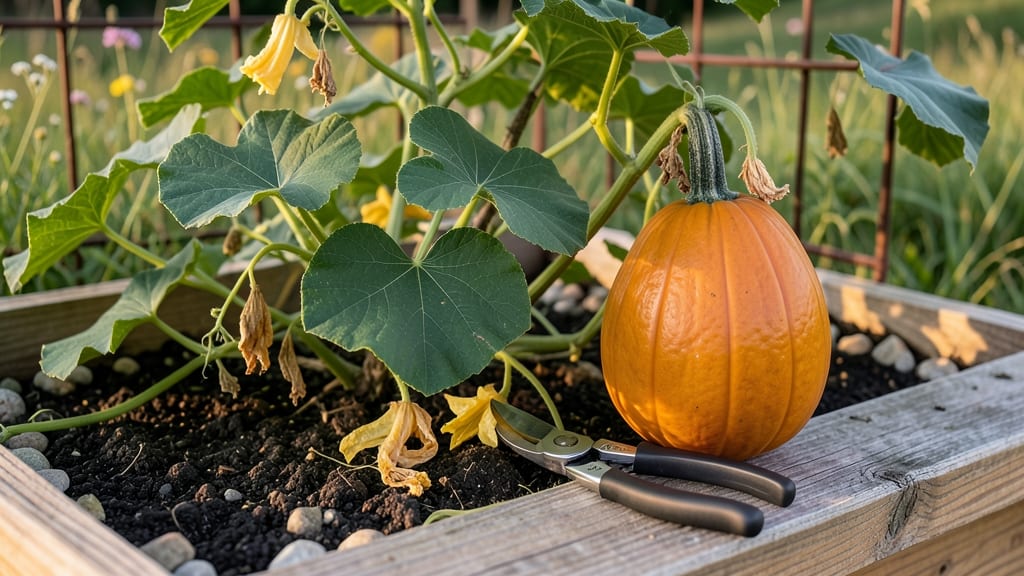
Harvesting winter squash 🎃 at the right moment ensures sweet, storable fruit—before the first frost or seed color shifts from white to brown signals it’s time.
Picture this: you’ve nurtured your winter squash all season, and now the vines are yellowing. But is it ready? Miss the window, and you’ll end up with squash that’s either too soft or too tough.
The key is catching those subtle cues—like a hardened rind or a stem that’s dried to wood—before the plant calls it quits.
Not all winter squash varieties ripen at the same time, and climate plays a huge role. In Zone 6a, where frost can sneak in by mid-October, timing is everything.
A quick fingernail test or the classic “thump” can tell you if your squash is perfect for picking—or still needs a few more weeks.
Below, I’ll walk you through the exact signs to watch for, plus how to store your harvest so it lasts through winter. No more guesswork, just a foolproof guide to turning your garden into a pantry staple.
How to spot winter squash harvest readiness through seed color & skin changes
Winter squash like butternut, acorn, and pumpkin reveal their harvest readiness through two key visual clues: seed color changes and skin hardness. Ignoring these signals often leads to either underripe squash (soft, watery flesh) or overripe squash (rotting on the vine).
The seed color transformation from white to brown or black is one of nature’s most reliable cues—don’t overlook it!
Most gardeners focus only on the rind hardness test, but the internal seed color provides an early warning system. For example, a butternut squash with white seeds is still maturing, while brown seeds signal peak ripeness.
Combine this with the thump test (tap the squash—it should sound hollow) for foolproof results. I’ve learned the hard way that skipping these checks can ruin an entire harvest!
Here’s how to decode these harvest readiness signs before we dive deeper into troubleshooting premature or overripe squash:
The seed color shift happens long before the rind hardens, making it the first clue to watch for. Cut open a pumpkin or acorn squash when seeds turn from white to brown—this means the flesh is sweeter and the skin is about to toughen.
I always check 2-3 squash from each vine to avoid missing the window. Pro tip: Use a sharp knife to slice through the skin and inspect seeds without damaging the fruit.
Next, perform the thump test by tapping the squash with your knuckles. A ripe winter squash will sound hollow, like a drum, while an underripe one thuds softly. This method works for all varieties, from butternut to spaghetti squash.
Pair it with the nail test: Press your fingernail into the skin. If it doesn’t dent, the squash is ready. If it leaves a mark, wait 3-5 more days.
Overripe squash is just as problematic as underripe—it rots quickly and attracts pests like squash vine borers. Look for these red flags: soft spots on the rind, a mushy thump, or a foul smell near the stem.
If you spot these, harvest immediately and use the squash within a week. For storage, cure the squash in a warm, dry place for 10 days to extend its shelf life to 3-6 months.
Climate plays a role too. In hot, dry regions, squash ripens faster—monitor them weekly. In cooler areas, they may need extra time. I’ve seen acorn squash take up to 120 days to mature in my Zone 5 garden, while butternut squash often ripens in 90 days.
Adjust your harvest timeline based on your local growing season.
If your squash shows premature seed color changes but the rind stays soft, it’s likely due to nutrient deficiencies or poor pollination. Boost growth with a balanced fertilizer (10-10-10) and hand-pollinate flowers with a paintbrush if bees are scarce.
For overripe squash, blame inconsistent watering or late-season pests. Always harvest before the first frost to avoid flavor loss and spoilage.
Remember, the perfect harvest window is short—once squash is ripe, it’s only a matter of days before it’s past its prime. Use these seed color and skin hardness tricks to time your harvest like a pro. With practice, you’ll never miss the sweet spot again!
Best practices for timing your winter squash harvest by variety & climate
Harvesting winter squash at the right time ensures maximum flavor, texture, and storage life. Different varieties mature at different rates, and your local climate conditions play a huge role. In cooler regions like USDA Zone 4, you’ll need to harvest earlier, while warmer climates like Zone 8 can wait longer.
Understanding these variety-specific windows helps you avoid both premature and overripe squash.
The key factors influencing harvest timing are daylight hours, average temperatures, and humidity levels. Shorter days and dropping temps signal the plant to mature its fruit faster. For example, acorn squash ripens quickly in 60-70°F temperatures, while butternut squash thrives in 70-80°F and takes longer.
Humidity also matters—high humidity can delay ripening, while dry air speeds it up.
For acorn squash, I always harvest first because it matures fastest. Look for a hard rind that’s difficult to puncture with your fingernail, and a dry stem that snaps easily when bent.
In Zone 5, I aim to harvest by late August to avoid early frosts. Butternut squash, on the other hand, needs more time—wait until the neck turns tan and the skin is tough.
In humid climates, like the Southeast, squash can take longer to ripen due to slower evaporation.
I’ve learned to monitor vine health closely—when the vines start yellowing, it’s a clear sign to check for ripeness. Pumpkins are the most forgiving; they can stay on the vine longer, but I still prefer to harvest them before the first frost to preserve their sweetness.
If you’re in a shorter growing season, like Zone 4, focus on early-maturing varieties like ‘Early Butternut’ or ‘Jack Be Little’ pumpkins. These varieties can handle cooler temps and still produce quality fruit.
Always prioritize harvesting before hard frost, as freezing temps destroy cell structure, making the flesh mushy and inedible.
Pro tip: Use a sharp pruning shears to cut squash from the vine, leaving a 1-inch stem attached. This helps prevent rot during storage. Store harvested squash in a cool, dry place with good airflow—ideal temps are 50-55°F and 50-70% humidity.
With the right timing, your winter squash can last 2-6 months!