
Picking
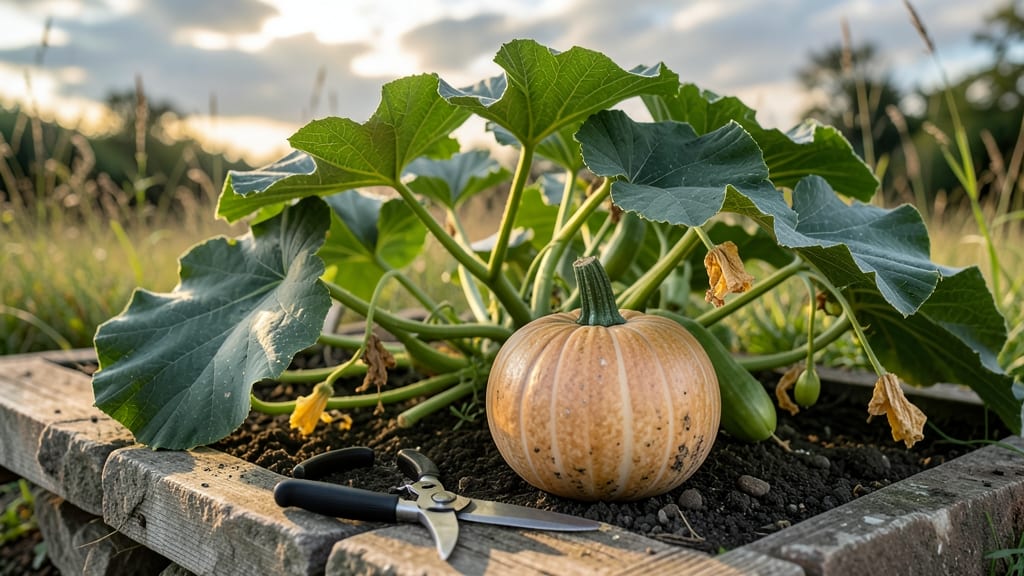
Butternut squash is ready to pick when the skin hardens and the seeds turn a deep tan 🎃—but timing this perfectly can make or break your harvest.
Picture this: you’ve nurtured your vines all summer, and now the moment of truth arrives. One wrong move and you’re left with either a mealy, underripe squash or one that’s gone woody from sitting too long.
The key? Knowing the three dead-giveaways that your squash is finally ready—before the first frost hits.
Most gardeners wait until the skin resists a fingernail and the stem dries up, but there’s more to it than that. Color shifts, size consistency, and even the weather play a role in determining the perfect harvest window for your zone.
Miss these cues, and you might end up with storage squash that’s less than stellar.
In this guide, I’ll walk you through the exact tests to use—from the skin hardness trick to seed color secrets—plus how to adjust for your local climate. By the end, you’ll know exactly when to grab your pruners and walk away with squash that’s sweet, flavorful, and built to last.
How to test butternut squash ripeness: skin hardness & seed color guide
Harvesting butternut squash at the perfect moment transforms your garden into a treasure trove of sweet, nutty flavors. Butternut squash are ready to pick when they reach peak ripeness, which means checking two key indicators: skin hardness and seed color.
These two signs work together to tell you exactly when to harvest for the best flavor and storage life. Skipping these checks often leads to premature harvesting (tough, bland flesh) or overripe squash (stringy texture and shorter shelf life).
Many gardeners make the mistake of relying only on size or color to determine ripeness. While these factors matter, they’re not foolproof. For example, a squash might look big and orange but still have soft skin or immature seeds—both signs it needs more time on the vine.
Understanding these two reliable indicators will help you avoid common pitfalls and ensure your butternut squash taste their best.
Let’s start with the first and most critical test: skin hardness. A ripe butternut squash should have a hard, thick skin that’s difficult to puncture with your fingernail. When you press gently, the skin should feel firm and almost woody. If it dented easily, it’s not ready yet.
This test is especially important because squash continue to ripen after picking, but their skin texture won’t improve—it’ll only get tougher. Overripe squash, on the other hand, may develop soft spots or even rot.
Next, check the seed cavity inside the squash. Cut a small slice near the stem end to peek at the seeds. Ripe butternut squash will have fully developed, tan-colored seeds that are plump and firm. If the seeds are still green or white, the squash needs more time.
This step is often overlooked, but it’s a game-changer for flavor. Immature seeds mean the flesh won’t be as sweet or tender.
| Ripeness Indicator | Not Ready (Premature) | Perfectly Ripe | Overripe (Past Prime) |
|---|---|---|---|
| Skin Hardness | Soft, easy to puncture with fingernail | Hard, thick, resists puncture | Skin tough but may have soft spots or wrinkles |
| Seed Color | Green or white seeds | Tan or light brown seeds | Dark brown or shriveled seeds |
| Stem Condition | Plump, green stem | Dry, shriveled stem near fruit | Stem may detach or rot |
| Color Change | Mostly green with light patches | Deep tan or orange (varies by variety) | Dull, mottled, or sunken patches |
One common mistake is harvesting butternut squash based on color alone. While ripe squash do turn from green to tan or orange, some varieties stay greenish even when fully ripe. For example, ‘Waltham Butternut’ maintains a greenish hue but develops a hard skin and tan seeds when ready.
Always combine color observation with the skin hardness test and seed check for accuracy.
Timing your harvest also depends on your local climate. In cooler regions, butternut squash typically mature between 90 to 110 days after planting, while warmer climates may see earlier ripening. Pay attention to the first frost date in your area—harvesting before frost ensures the best flavor and texture.
If frost is imminent and your squash aren’t fully ripe, pick them anyway and let them ripen indoors in a warm, dry place.
If you’re unsure whether your squash are ready, try this quick trick: Gently tap the squash. A ripe butternut squash will produce a hollow, deep sound, almost like knocking on a wooden door.
An unripe squash sounds dull or thud-like. This method works well for large squash where cutting a slice isn’t practical. Combine it with the skin test for the most reliable results.
Once you’ve confirmed ripeness, harvest your butternut squash using a sharp knife or pruners, leaving a 1- to 2-inch stem attached. This helps extend storage life by preventing rot.
Store them in a cool, dry place with good air circulation, like a basement or pantry, where they’ll keep for 2 to 3 months. Properly ripened squash store better and taste sweeter than those harvested too early or too late.
Remember, the key to butternut squash success is patience. Rushing the harvest leads to disappointment, while waiting too long can mean tough flesh or spoilage.
By mastering the skin hardness test and seed color check, you’ll consistently harvest squash at their peak—ready to enjoy in soups, roasts, or baked goods all season long. Happy harvesting!
Best time of year to harvest butternut squash by region (US & UK)
Timing your butternut squash harvest depends entirely on where you live—cool northern climates need earlier picking than warm southern regions. First frost dates are your best guide: aim to harvest 2-4 weeks before the first expected frost.
In the UK, this typically means September to early October, while US gardeners in Zone 5 or colder should pick by late September.
Southern US gardeners (Zones 8+) have more flexibility, often harvesting through October or November thanks to milder winters. Early varieties like 'Waltham Butternut' mature in 80-90 days, while late varieties like 'Long Island Cheese' take 100-110 days.
Always adjust your timeline based on your specific variety's days to maturity label.
| Region | Ideal Harvest Window | Key Warning | Frost Buffer |
|---|---|---|---|
| US Zones 3-5 (Cool) | Late August to mid-October | First frost arrives by late Sept | Harvest 2-3 weeks early |
| US Zones 6-7 (Moderate) | Mid-September to November | Frost risk increases after Oct 15 | Harvest 1-2 weeks early |
| US Zones 8-10 (Warm) | October to December | Light frosts possible in Dec | Harvest before Nov 15 |
| UK (General) | September to early October | Frost likely by Oct 10 | Harvest before Sept 25 |
In container gardens or raised beds, butternut squash often ripens 1-2 weeks earlier than in-ground plants due to better heat retention. If you're growing in black plastic mulch, expect a 5-7 day head start on maturity.
Always monitor your plants' skin hardness and stem drying—these visual cues matter more than calendar dates.
For gardeners in short-season areas, choose fast-maturing varieties like 'Sugar Pie' (85 days) or 'Gold Rush' (90 days).
These varieties can often be started indoors 4-6 weeks before your last frost date to extend your growing season. Succession planting every 2 weeks also helps stagger harvests for a longer table supply.
Never wait until after frost to harvest—frost-damaged squash becomes watery and develops off flavors. If frost is imminent and your squash isn't ready, cover plants with row fabric for 24-48 hours to delay ripening.
Once harvested, store squash in a cool, dry place (50-55°F) where it'll keep for 2-3 months.
Pro tip: Mark your planting and harvest dates in a garden journal. Over time, you'll notice patterns in your local microclimate that help refine your harvest timing year after year. Happy harvesting! 🎃