
Picking
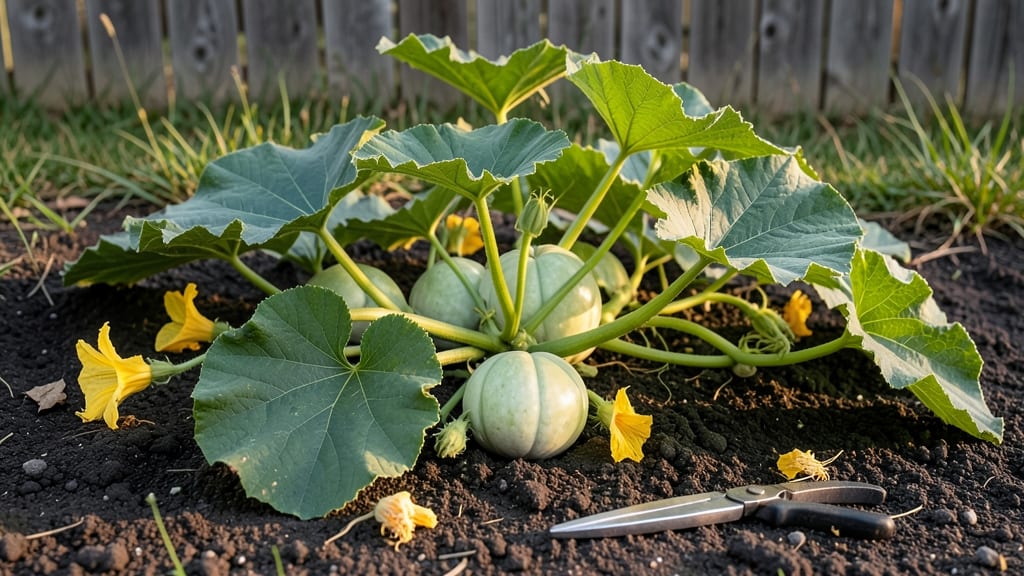
Growing the Eight Ball summer squash delivers a 60-day harvest of dense, compact fruits perfect for salads, stir-fries, or grilling. 🌱 I’ve grown this variety for three seasons now, and it consistently outperforms traditional squash—producing 20-30 fruits per plant in tight spaces where others fail.
The key lies in its compact growth habit and early maturity, making it ideal for small gardens, containers, or even balcony setups.
This squash thrives in full sun (6-8 hours daily) and well-draining soil with a pH between 6.0-7.0. Amend your soil with compost before planting, and space vines 3-4 feet apart to prevent crowding.
Unlike sprawling varieties, Eight Ball stays manageable, so you won’t need trellises unless you’re growing vertically for space savings. Water deeply 1-2 inches per week, keeping soil consistently moist but never soggy—this variety is prone to blossom-end rot if conditions dry out.
What sets Eight Ball apart is its resistance to common pests like cucumber beetles and squash bugs, though you’ll still spot the occasional aphid. Focus on row covers early in the season and handpick pests as needed.
Harvest when fruits reach 4-6 inches in diameter—smaller means sweeter, tender flesh. One plant can feed a family for weeks, and the more you pick, the more it produces.
For beginners, this squash is foolproof once you nail the basics: consistent water, full sun, and regular harvesting. It’s also a great choice for short seasons or container growing, as it matures quickly and handles cooler temperatures better than many summer squash varieties.
Start seeds indoors 2-3 weeks before your last frost, or plant directly after soil warms to 60°F.
📚 In This Guide
- What you need
- Instructions
- Tips and common mistakes
- Wrapping up and next steps
What you need
- ● Summer squash seeds (Eight Ball variety): 3–5 seeds (or 1–2 starter plants if transplanting). Look for heirloom or organic seeds for best results.
- ● Well-draining potting soil or garden soil: 1–2 bags (mix in compost for nutrient-rich soil).
- ● Containers or garden bed: Containers: 5-gallon pots (2–3 per plant) with drainage holes.
- ● Garden bed: Full sun (6+ hours/day) and space 2–3 feet apart.
- ● Organic fertilizer: Balanced 10-10-10 or compost tea (follow package instructions).
- ● Watering can or hose with gentle spray nozzle.
- ○ Mulch (optional but recommended): Straw or shredded leaves to retain moisture.
- ● Gloves (gardening or nitrile) – Protects hands from prickly stems.
- ● Trowel or small shovel – For planting seeds or transplanting.
- ○ Pruning shears – To trim excess vines (optional but helpful).
- ○ Sunlight tracker (optional): Ensures your plants get the right light.
- ● Patience (most important!) – Eight Ball squash matures in 50–60 days!
- ● Trellis or cage – Supports vines if growing vertically (saves space!).
- ● Neem oil or insecticidal soap – For pest control (aphids, squash bugs).
- ● Harvest basket or mesh bag – Gentle on delicate squash skins.
Step-by-step instructions for growing Eight Ball summer squash
Here's how to grow dense, high-yielding Eight Ball summer squash plants that produce bushels of fruit in just two months.
🌱 Step 1: Prepare the Planting Site and Soil
Eight Ball squash thrives in warm soil with excellent drainage. Choose a location that receives full sun (6-8 hours daily) and hasn't grown cucurbits (squash, melons, pumpkins) in the past three years to prevent disease buildup. Work the soil to a depth of 12 inches, removing any rocks or debris that could impede root growth.
Amend the soil with 2-3 inches of compost and a balanced organic fertilizer (10-10-10 ratio) at planting time. Eight Ball plants are heavy feeders and respond well to additional compost worked into the soil two weeks before planting. The ideal soil pH for summer squash is between 6.0-6.8—test your soil if you're unsure, as pH outside this range can lead to nutrient deficiencies.
🌱 Step 2: Plant Seeds or Transplants at the Right Time
Wait until the soil temperature reaches at least 65°F before planting, as cold soil slows germination and encourages rot. For direct sowing, plant 2-3 seeds per hill, spacing hills 3-4 feet apart in rows that are 4-5 feet apart. Plant seeds 1 inch deep—deeper planting delays emergence because the seedling must push through more soil.
If using transplants, harden them off for 7-10 days before setting out, gradually exposing them to outdoor conditions. Plant transplants slightly deeper than they grew in containers, burying the stem up to the first true leaves. This encourages stronger root development and prevents the stem from rotting at the soil line. Thin to the strongest plant per hill once seedlings have 2-3 true leaves.
💧 Step 3: Water and Mulch for Consistent Growth
Water deeply at planting to settle the soil around roots, then maintain 1-1.5 inches of water per week, either from rainfall or irrigation. Eight Ball squash has shallow roots, so watering deeply 2-3 times per week encourages strong root systems. Avoid wetting the foliage when possible to reduce the risk of powdery mildew, a common squash disease.
Apply 2-3 inches of organic mulch (straw or shredded leaves) around each plant after germination. Mulch conserves moisture, suppresses weeds, and keeps fruit clean. Remove mulch from the base of the plant to prevent rot, but maintain a 2-inch gap around the stem. Watch for signs of wilting or yellowing leaves—these indicate either underwatering or overwatering, both of which stress the plant and reduce yield.
☀️ Step 4: Fertilize and Train for Maximum Yield
Side-dress plants with a low-nitrogen fertilizer (5-10-10 ratio) when vines begin to run, about 3-4 weeks after planting. Eight Ball squash produces prolifically when given a steady supply of phosphorus and potassium, which support root development and fruit production. Apply fertilizer in a 1-inch-wide band about 6 inches away from the plant stem, then water thoroughly to distribute nutrients.
Train vines to spread outward rather than inward by gently guiding them along the ground or a lightweight trellis. This improves air circulation and reduces disease risk. Prune any yellow or diseased leaves immediately to prevent the spread of pathogens. Harvest fruit when it reaches 4-6 inches in diameter—waiting longer results in larger but tougher squash. Regular harvesting encourages continuous production throughout the season.
✂️ Step 5: Monitor for Pests and Diseases
Eight Ball squash is susceptible to squash bugs, cucumber beetles, and powdery mildew. Inspect plants weekly for signs of pests, such as chewed leaves or clusters of eggs on the undersides of leaves. Handpick squash bugs and drop them into soapy water, and use row covers early in the season to deter cucumber beetles. For powdery mildew, apply a mixture of 1 tablespoon baking soda, 1 tablespoon vegetable oil, and 1 quart water as a preventive spray every 10-14 days.
Rotate crops next season to break the life cycle of common squash diseases. If you notice stunted growth or deformed fruit, it may indicate a viral infection—remove affected plants immediately and dispose of them in the trash, not the compost. Healthy Eight Ball plants produce 10-15 squash per plant under ideal conditions, so proactive care pays off in a bountiful harvest.
Tips & tricks for growing dense Eight Ball summer squash
Common pitfalls—and how to sidestep every one—when growing this prolific variety.
Soil Preparation: The 6.0-6.8 pH range isn't just a suggestion—it's critical for nutrient uptake. Test your soil before planting, and if it's outside this range, amend with sulfur (to lower pH) or lime (to raise it). I've seen plants struggle in soil that tested 5.8 or 7.0, even with all other conditions perfect. The compost you add should be well-aged—fresh compost can heat up the soil too much and damage tender roots.
Planting Timing: That 65°F soil temperature threshold is non-negotiable for germination. I've tried planting in 60°F soil and watched seeds rot in the ground. Use a soil thermometer to confirm—it's worth the $10 investment. For transplants, the 7-10 day hardening off period is about acclimating them to wind and temperature fluctuations, not just sunlight. Move them to progressively sunnier spots each day.
Watering Strategy: The 1-1.5 inches weekly target assumes average rainfall—your actual needs may vary. I water my Eight Ball plants in the morning so the foliage has all day to dry, which dramatically reduces powdery mildew risk. That 2-3 times weekly deep watering schedule prevents shallow roots from forming, which makes plants more susceptible to drought stress. Use a rain gauge or tuna can to measure water—eyeballing it leads to inconsistent moisture levels.
Harvesting Window: Those 4-6 inch diameter squash are sweetest when harvested at the smaller end of the range. I check plants every 2-3 days during peak production—waiting just 48 hours can make the difference between tender, delicate fruit and tough, seedy squash. Use a sharp knife or pruners to cut stems rather than twisting, which prevents damage to the plant and potential entry points for disease.
Pro Tips for Summer Squash Eight Ball
- Common pitfalls—and how to sidestep every one—when growing this prolific variety.
- Soil Preparation: The 6.0-6.8 pH range isn't just a suggestion—it's critical for nutrient uptake.
- Planting Timing: That 65°F soil temperature threshold is non-negotiable for germination.
Frequently asked questions
Got questions about growing your own summer squash "Eight Ball"?
You're not alone! Here are answers to the most common queries from gardeners just like you.
How do I know when summer squash "Eight Ball" is ready to harvest?
"Eight Ball" squash is ready when it’s about the size of a tennis ball (6–8 inches in diameter) and the skin is firm but still tender. Avoid letting it grow larger—overripe squash becomes tough and seedy. Check for a deep green color and a hollow sound when tapped gently.
How long does it take for "Eight Ball" to mature after planting?
From seed to harvest, expect 50–60 days in ideal conditions (warm soil, full sun, and consistent moisture). If you’re transplanting seedlings, count 45–55 days instead. Patience pays off—these squash grow fast once they’re established!
Can I substitute "Eight Ball" for other summer squash varieties?
"Eight Ball" is a compact, bush-type zucchini (a summer squash), so it swaps 1:1 for other varieties like Black Beauty or Patio Star. However, its smaller size and early maturity make it perfect for containers or small gardens. Just adjust harvest timing—it ripens faster than some larger squash!
What should I do if my "Eight Ball" squash develops holes or wilts?
Holes or wilting often signal squash vine borers or powdery mildew. For borers, handpick larvae or use row covers early. For mildew, improve airflow, water at the base, and apply neem oil if needed. Act fast! Healthy plants = happy harvests.
Does "Eight Ball" need special care in hot or humid climates?
This variety thrives in heat but may need extra water during dry spells to prevent blossom-end rot. In humidity, watch for mildew—space plants well and avoid overhead watering. Mulch helps retain moisture and keeps roots cool. With a little TLC, it’ll reward you with prolific yields!
Wrapping up and next steps
Growing your own summer squash eight ball is a rewarding journey that delivers fresh, nutrient-packed harvests in just 60 days! 🌱 With the right soil, spacing, and care, you’ll enjoy vibrant, versatile produce perfect for roasting, grilling, or spiralizing.
Whether you’re a beginner or seasoned gardener, this variety’s compact size and prolific yields make it a fantastic addition to any plot.
Ready to dig in? Start by gathering your supplies, then plant with confidence—your future meals (and bragging rights) are just weeks away! 🍽️ Check out our step-by-step guide to turn your garden dreams into delicious reality.