
Blooming
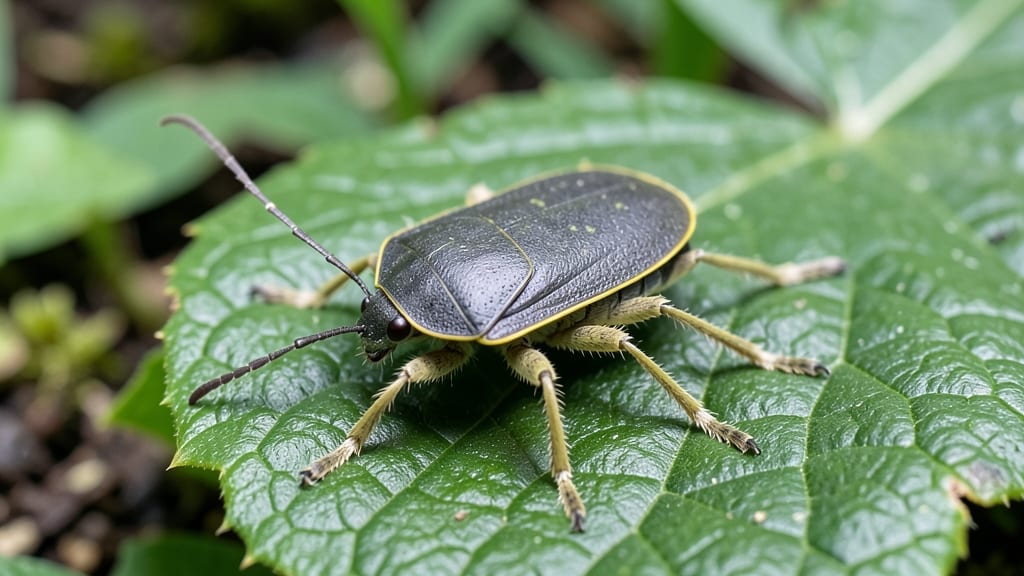
Squash bugs live for about one year, with adults surviving 6–12 months in warm climates, while eggs, nymphs, and overwintering adults extend their lifecycle across multiple growing seasons. Targeting all stages is key to garden pest control.
Understanding their lifespan helps you time control efforts effectively.
These pests spend most of their year in hiding—eggs overwinter in soil or plant debris, while adults emerge in early summer to lay new eggs. 🔥 The 6–12 month adult phase means they can cause repeated damage if left unchecked, especially in cucurbit gardens where they thrive.
I've found that monitoring for overwintering adults in late winter (before planting) gives you a head start on prevention.
What makes squash bugs particularly stubborn is their ability to hide in leaf litter or under mulch during cooler months. This means even if you eliminate adults in summer, their eggs may still survive to hatch next season.
The key is consistent monitoring—check under leaves and along stems regularly, especially after rain when nymphs are most vulnerable. Using row covers during planting season can block adults from reaching your crops entirely.
💡 In This Article
- Squash Bug Life Cycle Stages Explained
- Best Natural Control Methods by Life Stage
Squash bug life cycle stages explained
Squash bugs undergo three distinct life stages—egg, nymph, and adult—each with its own timeline and vulnerabilities. The egg stage lasts about 10–14 days, but these eggs can overwinter in soil or plant debris, remaining dormant for months until warm spring temperatures trigger hatching.
I've noticed that eggs laid in late summer often survive winter, emerging as nymphs in early spring when cucurbit plants are just starting to grow. 💛
The nymph stage spans 4–6 weeks, during which the bugs undergo five molts while feeding aggressively on plant sap. This is the most vulnerable phase because nymphs lack protective wing covers and are slower-moving, making them easier to spot on leaf undersides or stems.
Their feeding can cause wilting in young plants within just 3–5 days of heavy infestation, which is why early detection is critical.
Adult squash bugs live the longest, typically 6–12 months in warm climates, with females capable of laying 50–100 eggs over their lifetime. Their lifespan extends because they can enter diapause—a state of suspended development—during cooler months, allowing them to survive winter in protected microclimates like leaf litter or mulch.
This overwintering ability is why you'll often find adults emerging in late spring, ready to reproduce and start the cycle anew.
Temperature plays a huge role in their development speed. At 70–80°F, the life cycle from egg to adult takes about 6–8 weeks, but cooler temperatures can stretch this to 10–12 weeks. This is why northern gardens often see later infestations—cooler springs delay hatching.
The key to breaking their cycle is targeting overwintering adults in late winter before they lay eggs, combined with monitoring for early nymphs in spring.
What most gardeners don't realize is that squash bugs can produce 2–3 generations per year in warm climates, meaning their damage isn't limited to one season. Each generation builds on the last, which is why consistent monitoring—especially after rain when nymphs are most active—is essential.
I've seen gardens go from pest-free to devastated in just 4–6 weeks if left unchecked during the nymph stage.
Here's what's actually happening in your garden: Adults lay eggs in clusters on leaf undersides or stems, and these eggs remain dormant until soil temperatures reach 55°F. Once hatched, nymphs feed for weeks before becoming adults, which then seek out new hosts.
This continuous cycle is why squash bugs are such persistent pests—every stage connects to the next in a relentless reproductive chain. ✨