
How To
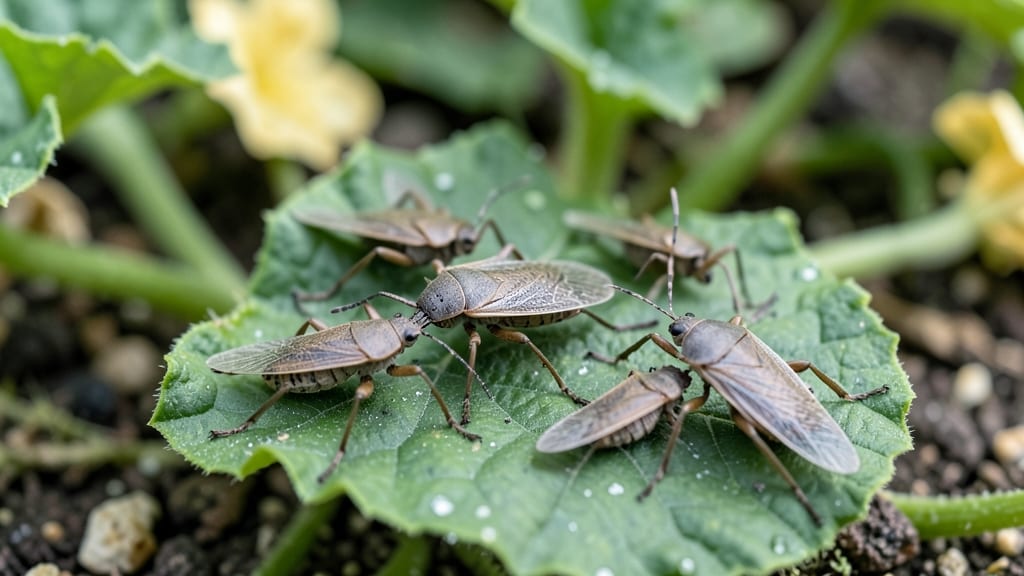
Learn how to repel squash bugs the easy way—these shielded, gray-brown pests can turn your zucchini into lace, but neem oil spray has saved my crops time and again, even when they’re at their worst. they’re already swarming. The key?
Smothering their eggs and adults with a natural, plant-safe solution that works faster than store-bought chemicals. Most gardeners wait until the bugs appear before acting, but by then, the damage is done—yellowing vines, wilting leaves, and fruit that’s already scarred.
Neem oil disrupts their life cycle at every stage: eggs, nymphs, and adults. You’ll see results within 24-48 hours of application, and the spray won’t harm your plants or beneficial insects like ladybugs. The secret is consistency—spray every 5-7 days during peak squash bug season (late summer).
What you’ll end up with is a thriving squash patch, free of those telltale black droppings and chewed leaves. The vines stay strong, the fruit grows unblemished, and you avoid the heartbreak of a ruined harvest.
This method works for zucchini, pumpkins, cucumbers, and any cucurbit crop—no fancy equipment needed, just a spray bottle and a little elbow grease. Prevention is just as important as treatment. Start with healthy soil, rotate crops yearly, and hand-pick adults early in the morning when they’re sluggish.
Combine these steps, and you’ll outsmart squash bugs before they even get started.
Root Causes of Squash Bug Invaders
Squash bugs are more than just a nuisance—they’re a stealthy threat to your garden’s health. Understanding why they show up in the first place is half the battle in keeping them at bay. Let’s break down the science and environmental triggers that turn your squash patch into their all-you-can-eat buffet.
Squash bugs thrive in dense, unkempt gardens where plants grow too close together.
Here’s why: - Lack of airflow creates a humid microclimate, which squash bugs love—it mimics their natural swampy habitats. - Thick foliage provides perfect hiding spots for eggs and nymphs, shielding them from predators (like birds or ladybugs) and pesticides. - Weeds and debris act as nesting grounds.
A single weed patch can harbor hundreds of eggs, ready to hatch when conditions are right.
Actionable insight: Space your squash plants 3–4 feet apart and remove weeds within a 2-foot radius. Mulch with straw or grass clippings to deter them from laying eggs directly on the soil.
Squash bugs target stressed or nutrient-deficient plants because they’re easier to penetrate.
Common triggers include: - Overwatering or underwatering, which weakens cell walls, making plants more susceptible to their piercing-sucking mouthparts. - Nitrogen deficiency (yellowing leaves) signals poor health, while excessive fertilizer (especially high in phosphorus) attracts them like a dinner bell. - Disease or pest damage (e.g., cucumber beetles or powdery mildew) creates entry points for squash bugs to feed and lay eggs.
Pro tip: 💡 Conduct a soil test before planting. Amend soil with compost to boost plant resilience, and avoid late-season nitrogen spikes—squash bugs crave lush, soft growth.
Squash bugs are cold-sensitive but explode in populations when temperatures and humidity align. Here’s the science: - Ideal conditions: 75–85°F (24–29°C) with high humidity (60%+).
These mimic their native southeastern U.S. habitats. - Rainy seasons soften plant tissues, making them easier to feed on, and wash away natural predators like ground beetles. - Sudden heatwaves after a cool spring can trigger mass egg hatching, overwhelming your garden in weeks.
Data point: A study in Journal of Economic Entomology found squash bug populations triple in gardens with >14 inches of rain in June.
Squash bugs face few enemies in most home gardens.
Here’s why their populations spiral: - Overuse of broad-spectrum pesticides kills beneficial insects first, including: - Ground beetles (devour squash bug eggs). - Spined soldier bugs (prey on nymphs). - Parasitic wasps (lay eggs inside squash bugs). - Monoculture gardens (planting only squash or cucumbers) starve out predator diversity, leaving squash bugs unchecked.
Eco-friendly fix: Plant companion crops like nasturtiums, dill, or alyssum to attract predator insects. Avoid neonicotinoids—they’re toxic to both pests and their natural foes.
Squash bugs don’t just fly in—they stow away on:
- Transplants or nursery stock (eggs hidden in leaf axils).
- Garden tools, trellises, or fencing moved from infested areas.
- Wild hosts like pumpkins or gourds growing nearby (even if you don’t notice them).
Prevention tip: 🔥 Inspect every plant before bringing it home. Soak transplants in soapy water for 10 minutes to drown hidden eggs/nymphs.
Squash bugs have a two-year life cycle, but their damage peaks in late summer to fall because:
- First generation (spring) lays eggs near the soil.
- Second generation (summer) produces winged adults that migrate to new gardens.
- Third generation (fall) feeds aggressively before winter, causing the most visible wilting.
Key window: June–September is when 80% of squash bug damage occurs. Stay vigilant during these months!
Quick Fixes for Squash Bug Woes
Now that you know why squash bugs are crashing your garden party, let’s tackle them head-on with practical, effective solutions—no fancy tools or toxic chemicals required. These fixes target the root causes while keeping your squash, pumpkins, and melons safe.
Below, we’ve mapped common triggers to proven fixes, plus prevention tips to keep bugs at bay for good.
Problem: Squash bugs love dense foliage—it’s their perfect hiding spot and breeding ground. Fix:
- 🔪 Prune aggressively by removing yellowing or wilting leaves (a sign of eggs or nymphs).
- 🌱 Space plants 3–4 feet apart to improve airflow and reduce hiding spots.
- 🌿 Use row covers (floating fabric) over young plants to block adults from laying eggs.
💡 Pro Tip: Check the undersides of leaves and stems daily—adults lay eggs in clusters, and nymphs (tiny, armored bugs) are easier to spot early.
Problem: Squash bugs overwinter in garden debris, soil, and mulch, then re-emerge in spring. Fix:
- 🧹 Remove all plant debris (fallen leaves, vines, weeds) from the garden bed before planting.
- 🔥 Till the soil in early spring to expose and kill overwintering eggs.
- 🪴 Replace mulch with straw or wood chips (avoid thick layers near plants).
✨ Prevention Hack: Plant marigolds or nasturtiums nearby—their strong scent repels squash bugs naturally.
Problem: Chemical sprays harm beneficial insects and leave residues. You need a targeted, organic approach. Fix:
- 🍳 Mix your own spray: Combine 1 tbsp neem oil + 1 tsp mild soap + 1 quart water. Stir well.
- 👨🍳 Spray thoroughly on top and bottom of leaves, stems, and soil surface (where eggs hide).
- ⏰ Apply at dusk to avoid harming bees—reapply every 5–7 days or after rain.
🌡️ Temperature Tip: Neem oil works best when above 50°F (10°C). For cooler mornings, wait until the sun warms the plants.
Problem: Squash bugs thrive when predators are absent. Fix:
- 🐞 Introduce ladybugs, lacewings, or parasitic wasps (available at garden centers).
- 🌿 Plant companion crops like basil, dill, or thyme to attract these helpful bugs.
- 🚫 Avoid broad-spectrum pesticides**—they kill both pests and predators.
🎯 Targeted Trap: Place yellow sticky traps near plants to catch adults before they lay eggs.
Problem: Squash bugs return to the same spot year after year. Fix:
- 🌿 Rotate plant families (e.g., don’t replant squash, pumpkins, or melons in the same spot for 3+ years).
- 🍠 Plant trap crops like zucchini or cucumbers far from your main squash patch—bugs will go there instead.
- 🔥 Solarize the soil in late summer: Cover beds with clear plastic for 4–6 weeks to bake out eggs.
Problem: You want immediate, chemical-free control. Fix:
- 🧤 Handpick adults (crush them in soapy water—never just squish them, or they’ll release pheromones attracting more).
- 🛡️ Use collars: Wrap cardboard or aluminum foil around stems to block crawling bugs.
- 🪴 Diatomaceous earth (DE): Sprinkle food-grade DE around plants (reapply after rain)—it dehydrates bugs on contact.
💡 Safety Note: Wear gloves when handling DE—it’s harmless to humans but can irritate lungs if inhaled.
| Season | Task | Why It Works |
|---|---|---|
| Fall | Remove all plant debris | Stops overwintering eggs from surviving |
| Winter | Till soil or solarize beds | Kills hidden eggs and larvae |
| Spring | Plant trap crops + row covers | Distracts bugs and blocks adults |
| Summer | Weekly neem oil sprays + pruning | Smothers nymphs before they mature |
| Year-Round | Monitor with sticky traps | Early detection = easier control |
- ❌ Skip early action: Wait until bugs are visible, and you’ll have a full-blown infestation.
- ❌ Use homemade sprays with vinegar or bleach—they can burn plants and harm soil.
- ❌ Ignore the soil: Eggs hatch underground—treat the ground, not just the leaves!
Final Thought: Squash bugs are annoying but beatable with a mix of cleanliness, smart planting, and targeted sprays. Start with neem oil + pruning, then layer in traps and beneficial insects for long-term defense.
Your squash patch will be bug-free in no time**—and you’ll enjoy those sweet, unblemished fruits all season! 🎉
Frequently asked questions
Can I use neem oil on squash bugs if it's raining?
Neem oil works best when applied to dry foliage, so avoid spraying during or immediately before rain. Wait until the forecast is clear for at least 24 hours—rain washes away the protective film that smothers squash bugs. If you must treat after rain, reapply within 2-3 days to maintain effectiveness.
How do I know if my squash bugs have returned next season?
Check for tiny brown eggs clustered along stems and leaf undersides in early spring. Adults emerge when soil reaches 60°F (15°C), so monitor plants weekly. Look for black droppings on leaves—this is the first sign of feeding activity.
Will diatomaceous earth harm my beneficial insects?
Food-grade diatomaceous earth (DE) is safe for most beneficial insects like ladybugs and lacewings, but it can dehydrate them if they come into direct contact. Apply DE only to the soil surface around plants, not on leaves where predators might land. Reapply after rain to maintain effectiveness.
Can I use yellow sticky traps year-round?
Yellow sticky traps work best during active squash bug season (May-September). Remove them in fall/winter when bugs overwinter in soil—traps won't catch hibernating adults. Reinstall them in spring before adults emerge, placing traps 3-4 feet from plants for optimal capture.
What's the fastest way to stop squash bugs from spreading to other plants?
Isolate infested plants immediately and remove all nearby weeds. Then apply a neem oil-soap mix to both affected plants and surrounding soil. Handpick adults daily for 3-5 days—this breaks their reproductive cycle fastest. For severe cases, use row covers to prevent migration to healthy plants.