
Picking
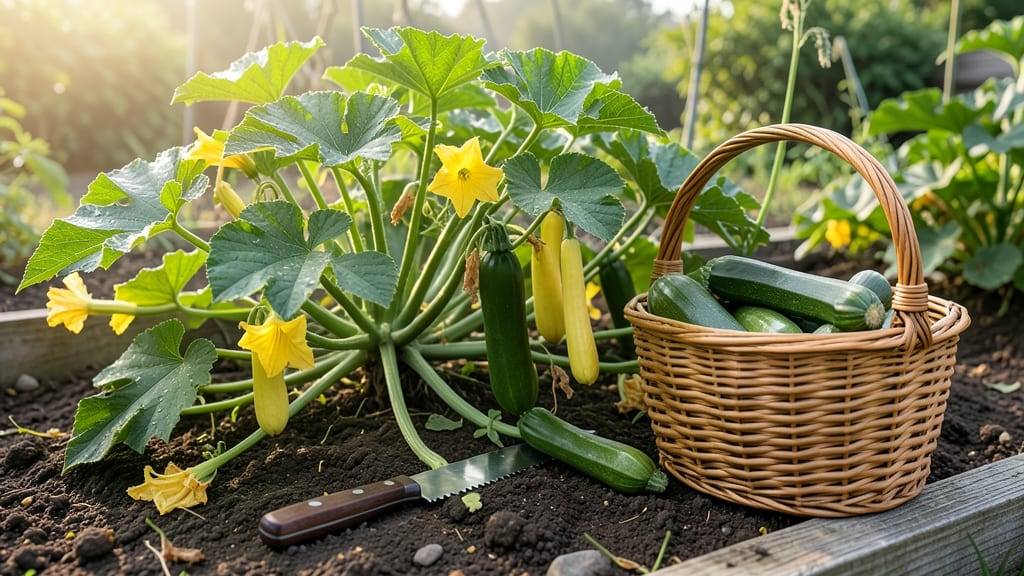
Squash is in season from late summer through early fall, peaking between July and October, with winter varieties like butternut lasting until December. Summer squash ripens first, while hard-shelled types mature later in the harvest.
Understanding squash seasonality helps you pick the freshest produce at farmers' markets or grocery stores. 🌱 Summer squash varieties like zucchini and yellow squash thrive in warm weather, typically ready by early July, while winter squash such as acorn and butternut need cooler temperatures to develop their signature sweetness.
The timing also varies by region—coastal areas might see earlier harvests than inland zones due to microclimates. For the best flavor and texture, aim to use summer squash within days of purchase, while winter squash can store for months thanks to their thick skins.
Pro tip: Look for heavy squash with firm skins—this indicates maturity and sweetness. If you're growing your own, watch for color changes and stem hardening as key ripening signals. 💫
💡 In This Article
- Squash Seasonal Growth Stages Explained
- Best Squash Varieties for Each Season
Squash seasonal growth stages explained
Squash growth is tightly linked to temperature and daylight hours, which is why you see distinct seasonal patterns. Summer squash like zucchini and yellow squash thrive in warm 75-85°F conditions with long daylight hours—typically 12-14 hours—which explains their early July harvest.
These varieties grow rapidly, often producing fruit just 40-55 days after planting, making them the first to appear at farmers' markets. Their thin skins and tender flesh mean they need quick harvesting to avoid becoming tough or seedy.
The transition to cooler weather triggers winter squash development. Varieties like butternut and acorn need 60-70°F daytime temperatures and shorter daylight periods (10-12 hours) to develop their signature sweetness and thick skins. This is why they peak in September-October—their growth slows in heat but accelerates as nights cool.
The hard shells form as a natural preservation mechanism, allowing these squash to store for months at 50-55°F with proper humidity.
Regional climates create noticeable variations in timing. Coastal areas often see summer squash harvests 2-3 weeks earlier than inland zones due to milder temperatures and consistent moisture. For example, California's Central Valley might have zucchini ready by late June, while Midwest growers wait until early July.
Winter squash in northern climates may extend into January if protected from freezing, while southern regions can harvest until December due to milder winters.
Here's what's happening biologically: Summer squash prioritize rapid vine growth and fruit production when days are long, while winter squash shift energy to root and skin development as daylight shortens. This explains why summer types are softer and more perishable—all their energy went into quick reproduction.
Winter squash, meanwhile, invest in storage compounds like sugars and cellulose, making them denser and longer-lasting.
What most people don't realize is how soil temperature affects ripening. Summer squash vines struggle below 60°F soil temps, while winter squash can tolerate cooler 55-65°F ranges.
This is why early spring plantings often fail for summer varieties—the ground just isn't warm enough yet. 🌱 The key is matching each type to its ideal growing window for maximum yield and quality.
Consider these growth factors when planning your harvest:
- Daylength sensitivity: Summer squash grow best with 14+ hours of daylight; winter squash prefer 10-12 hours
- Temperature thresholds: Summer types wilt above 90°F; winter types develop best in 60-75°F ranges
- Moisture needs: Summer squash require consistent watering; winter types need drier conditions to harden their skins