
Plants
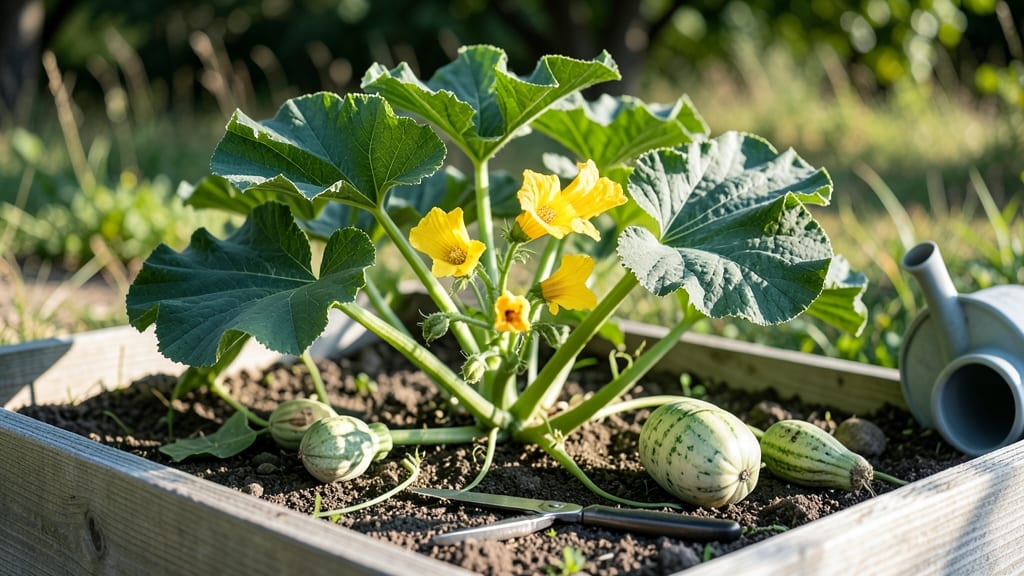
Winter squash looks like a hard-shelled, bulbous fruit with smooth or textured skin in colors ranging from deep orange to green, tan, or reddish hues. Their shapes vary from round to oblong or ribbed, often resembling pumpkins or gourds but typically smaller and denser.
Winter squash varieties come in a stunning array of shapes and colors that can help you identify them instantly. 🍂 From the ribbed, football-like shape of a butternut squash to the round, bumpy exterior of an acorn squash, each type has distinct characteristics.
The thick, tough skin—whether glossy or matte—is another key feature, protecting the sweet, starchy flesh inside. Unlike summer squash, winter squash stays firm and heavy when ripe, making it perfect for long-term storage and cooking.
At the grocery store, run your fingers over the skin to check for smoothness or slight roughness—this often reveals the variety. A deep, rich color usually means full ripeness, while lighter spots can indicate sun exposure.
The stem area should be dry and intact, as a damp or rotting stem signals spoilage. These visual and tactile clues make identifying winter squash a simple yet rewarding task for any home cook or gardener.
💡 In This Article
- Key Visual Traits of Winter Squash Varieties
- How to Identify Winter Squash in Grocery Stores or Farms
Key visual traits of winter squash varieties
Winter squash varieties exhibit striking botanical differences that go far beyond just color. The acorn squash, for example, has a distinctive round shape with deep ridges and a glossy skin that ranges from green to orange. Its texture is smooth but slightly bumpy, almost like a mini pumpkin.
In contrast, the butternut squash features an elongated, football-like form with a smooth neck that tapers into a bulbous base—its skin is typically tan or golden with a matte finish. 🍂 These structural traits aren't just for show; they reflect the plant's growth patterns and internal flesh structure.
The spaghetti squash takes a different approach with its cylindrical shape and pale yellow skin, often covered in faint ridges. When sliced open, its flesh reveals stringy, spaghetti-like strands that give it its name.
Meanwhile, the hubbard squash showcases a warty, rounded exterior with rough skin that can be green, blue, or orange—its irregular shape makes it instantly recognizable.
What's fascinating is how these visual traits correlate with the squash's culinary uses: the dense, sweet flesh of acorn or butternut varieties makes them ideal for soups, while the fibrous spaghetti squash is perfect for low-carb pasta alternatives.
Color plays a critical role in identifying ripeness and variety. A deep, vibrant hue—like the orange of a kabocha squash—indicates full maturity and sweetness, while lighter patches suggest sun exposure during growth.
The green skin of a delicata squash, for instance, often has yellow stripes that fade as it ripens.
These color variations aren't random; they result from different levels of carotenoids and chlorophyll in the skin, which also influence the squash's flavor profile. 🌟 For example, darker orange squashes tend to be sweeter due to higher sugar content from photosynthesis.
Texture is another key identifier. Run your fingers over the skin: a smooth butternut will feel almost silky, while a ridged acorn offers a tactile contrast with its pronounced grooves.
The skin's thickness varies too—some varieties like hubbard squash have a tough, almost leathery exterior, while others like delicata have thinner skin that's easier to peel.
This structural diversity isn't just practical for cooking; it also reflects the squash's evolutionary adaptations to protect its starchy, nutrient-rich flesh from pests and environmental damage.
One often-overlooked detail is the stem area. A fresh winter squash will have a dry, intact stem that's still slightly attached—this is where the plant's vascular system connected. If the stem is rotting or damp, it's a red flag for spoilage.
The stem's position can also hint at the squash's variety: butternut squash often has a small, pointed stem at the neck, while acorn squash features a flatter, broader stem base. These subtle clues help distinguish between similar-looking varieties at a glance. 🔍
Understanding these visual traits isn't just about identification—it's about unlocking the full potential of each squash. The dense, sweet flesh of a kabocha makes it perfect for roasting, while the milder flavor of a delicata works well in both savory and sweet dishes.
By learning to read these visual signals, you can select the perfect squash for your recipe and ensure you're getting the freshest, most flavorful produce possible.