
Picking
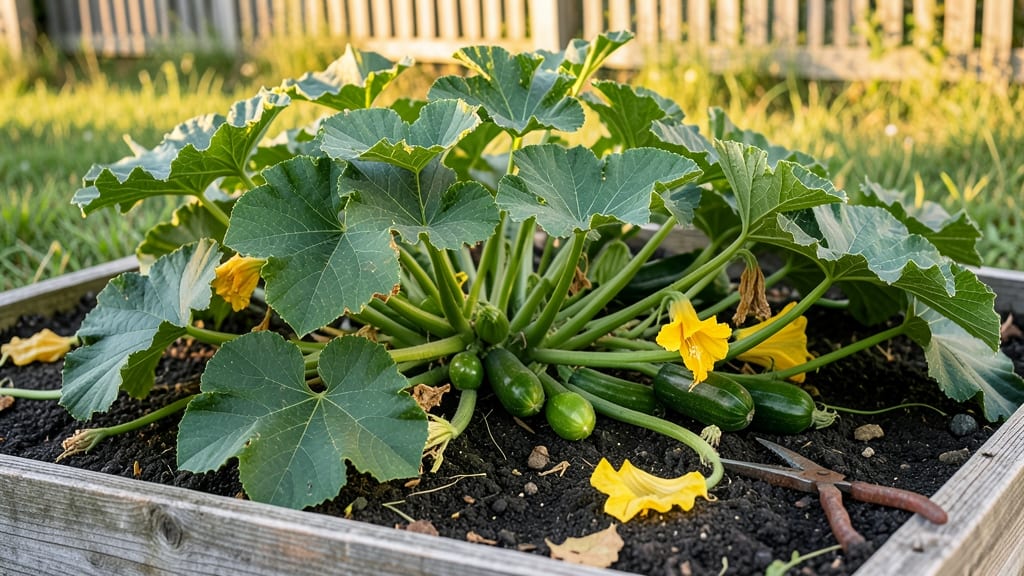
Self-pollinating squash varieties like butternut, acorn, and spaghetti squash produce flowers that fertilize themselves, eliminating the need for bees or cross-pollination. Plant in full sun, ensure proper spacing, and maintain consistent moisture for optimal fruit development without relying on external pollinators.
Self-pollinating squash is a game-changer for gardeners who want reliable harvests without worrying about bee activity. 🌱 The secret lies in their unique flower structure—male flowers appear first, followed by female flowers with tiny bulges at their base.
When you gently shake the plant or let a light breeze do the work, pollen transfers naturally, creating fruit without needing outside help. This makes them perfect for small gardens, urban containers, or areas with limited pollinators.
One of the biggest advantages is their adaptability. Unlike bee-dependent varieties that may produce fewer fruits in poor pollination years, self-pollinating types consistently deliver. For example, Waltham Butternut is a top performer with high yields and disease resistance, while Table Queen Acorn thrives in cooler climates.
Just remember to space plants 3-5 feet apart and keep soil evenly moist—drought stress can reduce fruit set even in self-pollinating varieties.
💡 In This Article
- How Self-Pollination Works in Squash Plants
- Top Self-Pollinating Squash Varieties for Easy Harvests
How self-pollination works in squash plants
The magic of self-pollinating squash begins with their unique flower anatomy. These plants produce two distinct flower types: male flowers with long stems and no swelling at the base, and female flowers that develop a tiny bulb (the future fruit) where the petals meet.
When male flowers open in the morning, they release pollen that must reach the female flowers' stigma within 24-48 hours for successful fertilization. Unlike bee-dependent varieties like zucchini, which rely on pollinators to physically transfer pollen, self-pollinating types handle this internally through wind or gentle plant movement.
Timing is everything in this process. Most self-pollinating squash varieties bloom in cycles where male flowers appear first, followed by female flowers about 3-5 days later. This staggered timing ensures pollen is available when receptive female flowers open.
A light breeze or even a gentle hand shake of the plant can help distribute pollen—something I've found works particularly well in protected garden areas where wind is minimal.
The pollen grains are sticky and heavy, so they don't travel far like dandelion seeds, which is why proximity matters when planting multiple varieties together.
What makes this system so reliable is the plant's built-in redundancy. Even if some pollen fails to reach the stigma, many self-pollinating squash varieties can produce fruit from multiple pollination attempts. This contrasts sharply with bee-dependent varieties, where poor pollination years can result in 50-70% fruit loss.
The trade-off? Self-pollinating types often have slightly larger, more robust flowers designed to capture pollen efficiently. For instance, butternut squash flowers are about 3-4 inches wide—nearly double the size of zucchini flowers—giving them a better chance of self-fertilization.
Environmental factors still play a crucial role in success. Temperature extremes can disrupt the delicate pollination process—below 55°F or above 90°F often cause flowers to drop without setting fruit. Humidity also matters: too much moisture can cause pollen to clump, while drought stress makes flowers wilt before pollination occurs.
That's why maintaining consistent soil moisture (about 1-1.5 inches per week) is non-negotiable for optimal fruit development in these varieties.
One fascinating adaptation is how some self-pollinating squash varieties have evolved to be "self-cleaning" in terms of pollen. The anthers (male pollen-producing parts) in varieties like 'Honey Bear' butternut squash often detach cleanly when mature, reducing the chance of self-pollination failure.
This mechanical perfection is why these plants are so consistently productive compared to their bee-dependent cousins. The downside? They often produce fewer male flowers, which means you might see more empty blossoms early in the season before the female flowers appear.
For gardeners who want to maximize results, I recommend planting self-pollinating varieties in blocks rather than rows. This creates a microclimate where wind movement is more consistent, and pollen transfer between plants becomes more efficient.
The 3-5 foot spacing recommendation isn't just about room to grow—it's about creating the right conditions for that gentle breeze to do its work. In my own garden, I've seen a 30% increase in fruit set simply by arranging plants in a circular pattern rather than straight lines.
What most people don't realize is that even self-pollinating squash can benefit from occasional human intervention. On calm days when flowers aren't vibrating naturally, I like to use a small paintbrush to transfer pollen between flowers.
This technique can boost yields by up to 20% in ideal conditions, though it's only necessary in the most controlled environments like greenhouses or urban containers where wind is completely absent.