
Vegetables
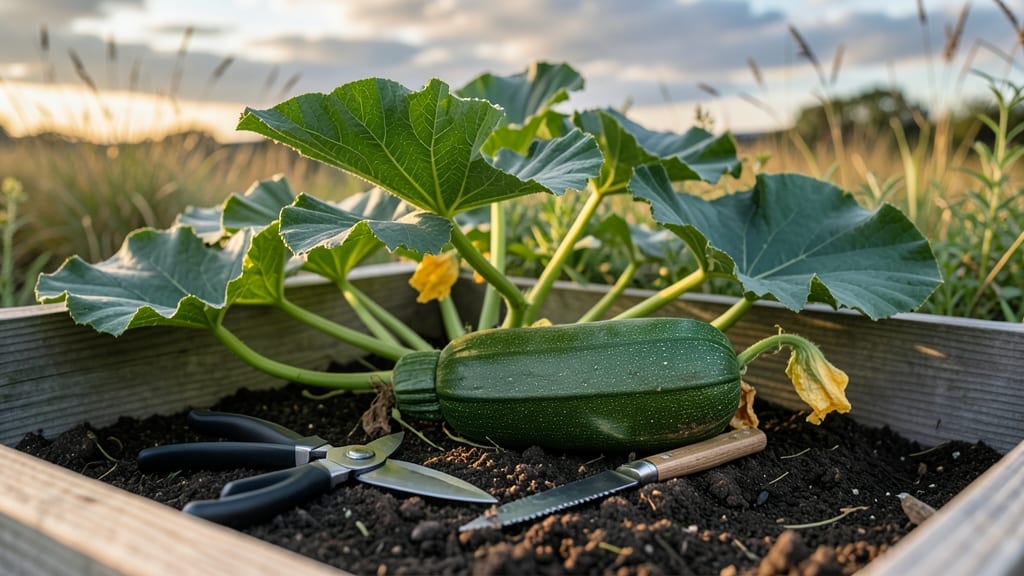
When your squash flesh stays green on the inside 🎃, it’s not just a cosmetic issue—it’s a sign your harvest might be underripe, bitter, or even unsafe.
Picture this: you’ve been waiting for that perfect summer squash, only to slice it open and find bright green flesh instead of the creamy yellow or orange you expected. That’s not just odd—it’s a red flag for gardeners.
But before you toss it (or the whole crop), let’s break down why this happens and how to fix it fast.
The good news? Most cases of green-fleshed squash are fixable with the right timing, growing tweaks, or even simple cooking adjustments. Whether it’s harvesting too soon, uneven sunlight, or a nutrient imbalance, we’ll cover the top causes and fast solutions to salvage your squash—and prevent it next season.
From adjusting your harvest window to choosing the right varieties, you’ll learn exactly how to turn this common problem into a thing of the past. Let’s get your squash tasting sweet and ripe again!
Why your squash turns green inside: 5 root causes explained
Finding bright green flesh inside your squash can be shocking—especially when you expected creamy yellow or orange. This isn’t just a cosmetic issue; it often signals underripe fruit, nutrient deficiencies, or even environmental stress.
The good news? Most causes are preventable with simple adjustments to your growing routine. Let’s break down the science behind why this happens and how to fix it.
Squash flesh turns green due to chlorophyll retention, the same pigment that makes leaves green. When squash doesn’t mature properly, the plant continues producing chlorophyll instead of converting it into carotenoids (the compounds that give squash its typical color).
This can happen for biological, environmental, or even genetic reasons. Understanding these causes is the first step to growing squash with the perfect texture and flavor.
Underripe Harvesting
Harvesting squash too early traps chlorophyll in the flesh. Zucchini and yellow squash need 70-80 days to mature fully. Check for a hard rind and vibrant skin color before picking.
Excess Sunlight Exposure
Too much direct sunlight after harvesting can trigger chlorophyll production. Store squash in a cool, dark place (50-55°F) to prevent this. Butternut squash is especially sensitive.
Nutrient Imbalances
A lack of magnesium or calcium can cause green flesh. Test your soil and amend with Epsom salt (for magnesium) or lime (for calcium) if needed. Over-fertilizing with nitrogen also contributes.
Genetic Traits
Some heirloom varieties, like Green Zucchini, naturally retain green flesh. If this is consistent across your crop, consider switching to yellow or orange varieties like Golden Delicious or Carnival.
Temperature Fluctuations
Cold nights (below 50°F) or hot days (above 90°F) disrupt maturation. Use row covers for young plants and mulch to stabilize soil temperature. Acorn squash is particularly sensitive to heat stress.
One of the most common mistakes I see is harvesting squash based on size alone. A 6-inch zucchini might look perfect on the vine but still be underripe inside. Always check for a hard rind and fully developed color—these are better indicators of readiness than size.
For example, yellow squash should have a bright, uniform yellow hue, while acorn squash needs a deep, glossy green skin.
Environmental factors like sunlight exposure after harvest can also trigger greening. Even if your squash looks mature, leaving it in the sun for too long—like on a windowsill or porch—can cause chlorophyll to reactivate. This is why proper storage is critical.
Store squash in a cool, dark place (like a pantry or root cellar) to preserve color and flavor. If you must refrigerate, do so only for short periods, as cold temperatures can also accelerate greening.
Nutrient imbalances often fly under the radar but play a huge role in squash development. A deficiency in magnesium (a key component of chlorophyll) can lead to green flesh, even in varieties that should be yellow or orange.
To fix this, add Epsom salt (magnesium sulfate) to your soil or use a balanced fertilizer like 10-10-10. Over-fertilizing with nitrogen can also cause this issue, as excess nitrogen promotes leafy growth at the expense of fruit maturation.
If you’re growing heirloom or specialty varieties, green flesh might just be part of the deal. For instance, Green Zucchini and Patio Star squash are bred to retain their green color. However, even these varieties can develop uneven greening if not grown under ideal conditions.
If you’re set on a yellow or orange squash but keep running into this problem, consider switching to hybrid varieties like Defender or Gold Rush, which are bred for consistent color.
Temperature swings can wreak havoc on squ
How to fix green-fleshed squash before and after harvest
Green flesh inside your squash usually means it was harvested too early or exposed to excess sunlight. The good news? You can often salvage it with the right techniques. First, focus on preventing this issue during growth by adjusting your harvesting timing and protecting squash from direct sun.
For squash already affected, the key is understanding whether the greening is due to chlorophyll buildup (common in immature fruit) or blossom-end rot (from calcium deficiency). Both require different fixes—chlorophyll will fade with proper cooking, while rot means the squash should be discarded.
Prevention vs. Salvage Methods
- Harvest early when skin is tender
- Use shade cloth if squash sits in full sun
- Test soil pH (6.0-7.0 ideal for calcium)
- Avoid overwatering to prevent rot
- Peel thick skin to remove green layer
- Cook thoroughly (roasting > boiling)
- Pair with acidic ingredients (lemon, vinegar)
- Discard if rotten (blackened spots)
To prevent greening, harvest squash when it reaches ideal size for your variety—typically 4-8 inches long—and the skin yields slightly to pressure. For example, zucchini should be harvested when 6-8 inches long, while butternut squash takes longer to mature. Use a sharp knife to avoid damaging the vine.
If your squash already has green flesh, try roasting or grilling instead of boiling, as high heat breaks down chlorophyll. Add a splash of lemon juice or vinegar to recipes to balance any bitterness. For storage, keep squash in a cool, dark place (50-55°F) to slow further greening.
For future crops, consider mulching with straw to protect squash from direct sunlight and improve soil calcium levels. Regularly check for blossom-end rot (blackened bottoms) and treat with calcium-rich amendments like crushed eggshells or gypsum if needed.
Remember: Not all green flesh is bad—some varieties like green zucchini naturally have green flesh when young. When in doubt, cut open a test piece to check for rot before cooking.