
Planting
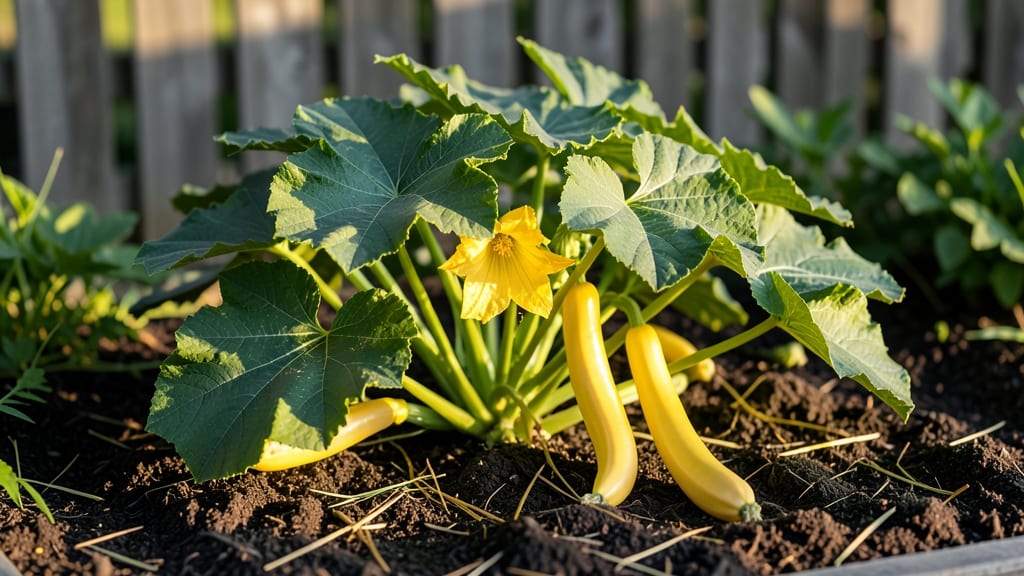
Growing yellow squash 🎃 takes about 50 days from seed to harvest, but the real magic happens in those first two weeks when germination turns your patience into a thriving plant.
If you’ve ever wondered when you’ll finally get to harvest crisp, golden yellow squash from your garden, timing is everything—and the answer might surprise you.
Most gardeners expect a slow start, but with the right soil temperature (60°F or warmer) and consistent moisture, those first sprouts can appear in just 5-10 days. From there, it’s a steady climb to flowering (25-30 days) and finally, harvest-ready squash in 50-60 days.
Below, I break down the exact timeline, the factors that speed up or slow down growth, and how to track maturity so you’re picking squash at the perfect moment—before they turn into footballs.


Yellow squash growth timeline: seed to harvest in 50 days (with key milestones)
Growing yellow squash is one of those rewarding gardening experiences where patience pays off with a bountiful harvest. From the moment you plant those tiny seeds to the day you pick your first golden-yellow squash, the journey takes about 50 days under ideal conditions.
Understanding each growth stage helps you anticipate milestones and troubleshoot any delays. Let’s break down the yellow squash growth timeline so you can plan your garden like a pro!
Yellow squash is a fast-growing annual, but its speed depends on factors like soil temperature, sunlight, and water consistency. Most varieties mature in 45-55 days, but some can stretch to 65 days if conditions aren’t perfect.
Knowing these stages helps you set realistic expectations and adjust your care routine. Ready to dive into the details? Let’s start with the very first step!
| Stage | Days After Planting | Key Actions | What to Watch For |
|---|---|---|---|
| Seed Germination | 5-10 | Plant seeds 1 inch deep in warm soil (60°F+). Keep soil moist. | Green sprouts emerging from soil. |
| Seedling Stage | 10-20 | Thin seedlings to 2-3 feet apart. Provide full sun. | First true leaves appear; plants grow 2-3 inches tall. |
| Vegetative Growth | 20-30 | Fertilize lightly with balanced 10-10-10. Water consistently. | Plants reach 1-2 feet tall; vines spread. |
| Flowering Stage | 30-35 | Hand-pollinate flowers if needed (tap stems gently). Increase water. | Yellow male flowers appear first, followed by female flowers. |
| Fruit Development | 35-45 | Harvest small squash (6-8 inches) regularly to encourage more production. | Squash grows rapidly; skin turns glossy yellow. |
| Harvest Ready | 45-55 | Pick squash when 6-8 inches long and firm. | Stem snaps easily; color is deep, even yellow. |
The first stage of the yellow squash growth timeline is seed germination, which typically occurs within 5-10 days after planting. To speed this up, ensure your soil temperature is at least 60°F—cold soil slows down germination.
I always test soil moisture with my finger before planting; it should feel damp but not soggy. Once your seeds sprout, you’ll notice tiny green leaves pushing through the soil, signaling the start of the seedling stage.
During the seedling stage (10-20 days), yellow squash plants grow rapidly if given enough sunlight and water. This is the perfect time to thin your seedlings to 2-3 feet apart to give each plant room to spread.
I’ve learned the hard way that overcrowding leads to weak stems and fewer fruits. Keep an eye out for the first true leaves, which look different from the initial seed leaves—they’re a sign your plants are thriving!
By day 20-30, your yellow squash enters its vegetative growth phase, where the real action happens. This is when you’ll see those 1-2 foot tall vines spreading out, and the plants start looking like the bushy squash plants you’ve always dreamed of.
This is also the time to apply a light fertilizer to encourage strong root and leaf development. I use a balanced 10-10-10 fertilizer every 4-6 weeks during this phase.
Around day 30-35, you’ll start seeing the first yellow flowers bloom, marking the flowering stage. This is an exciting milestone! Male flowers appear first, followed by female flowers (look for tiny squash forming at the base of the female blossoms).
If you’re not seeing many fruits, you might need to hand-pollinate by gently tapping the stems to release pollen. Consistent watering is critical now—drought stress can cause flowers to drop.
The fruit development stage (35-45 days) is where the magic happens. That’s when those golden-yellow squash start growing at an impressive rate—sometimes adding an inch a day! This is also when regular harvesting becomes essential.
If you let squash grow too large, the plant will focus on producing fewer, bigger fruits. I aim to pick squash when they’re 6-8 inches long and still firm to the touch, ensuring a steady supply throughout the season.
Finally, by day 45-55, your yellow squash should be fully mature and ready for harvest. At this point, the squash will be deep yellow, glossy, and about the size of a baseball. The stem should snap easily when bent—this is the classic sign of readiness.
If you miss this window, the squash can become fibrous and less flavorful, so keep an eye on your plants and harvest frequently to encourage more production.
Understanding this yellow squash growth timeline helps you track progress and adjust your care routine as needed. Whether
5 Factors that speed up or slow down yellow squash growth (and how to optimize them)
Yellow squash thrives when you optimize its growing conditions, but small mistakes can turn a 50-day harvest into a 70-day wait. The difference often comes down to five key factors that either accelerate or stall growth.
Understanding these will help you grow squash faster and more reliably, whether you're planting in your backyard garden or container pots.
From soil temperature to watering consistency, each factor plays a critical role in how quickly your plants mature. For example, cool soil can delay germination by 2-3 weeks, while inconsistent watering stresses plants and slows fruit development.
Let’s break down these factors and show you exactly how to optimize them for the fastest, healthiest yellow squash growth.
5 Critical Factors for Yellow Squash Growth Speed
- 1. Soil Temperature: Ideal 60-70°F for germination. Below 55°F, seeds may not sprout for 2+ weeks. Use black plastic mulch to warm soil faster.
- 2. Sunlight Exposure: 6-8 hours of direct sun daily. Less sun = slower growth and fewer fruits. South-facing beds get the best results.
- 3. Watering Consistency: 1-2 inches per week, morning-only. Drought stress stunts growth, while overwatering causes rot. Drip irrigation works best.
- 4. Fertilizer Use: Balanced 10-10-10 every 4-6 weeks. Too much nitrogen = leafy growth, no fruit. Side-dress with compost when flowers appear.
- 5. Pest/Disease Control: Squash bugs and powdery mildew drain energy. Use row covers early and neem oil to prevent outbreaks.
Let’s start with soil temperature, the first hurdle your seeds face. Yellow squash seeds need soil that’s at least 60°F to germinate properly. If your soil is cooler—common in early spring—germination can take 10-14 days longer than the usual 5-7 days.
To speed things up, use black plastic mulch or a seedling heat mat to raise soil temps by 10°F.
Next, sunlight exposure directly impacts how quickly your plants transition from seedlings to fruiting. Yellow squash needs full sun (6-8 hours daily) to produce energy for growth. If your garden gets only 4-5 hours, expect 2-3 weeks of delayed maturity.
A trick I use? Plant near taller crops like corn or sunflowers in early spring to shade out weeds and retain soil warmth, then remove them once squash is established.
Consistent watering is another game-changer. Squash plants have shallow roots and need 1-2 inches of water weekly, delivered in the morning to prevent fungal diseases. Skipping water even once can cause blossom-end rot or stunted fruit development.
I set up a drip irrigation system on a timer to automate this—it saves time and keeps moisture levels perfect.
Don’t overlook fertilizer, either. Too much nitrogen early on leads to lush foliage but no squash. Instead, use a balanced 10-10-10 fertilizer when plants are 4-6 inches tall, then switch to a low-nitrogen, high-phosphorus blend (like 5-10-10) when flowers appear.
This shift encourages fruit production without overfeeding the leaves.
Finally, pests and diseases can silently sabotage your harvest. Squash bugs and powdery mildew are the biggest culprits, and they steal nutrients that could go toward your squash. Start with row covers to block pests early, and spray neem oil weekly as a preventative.
Catching these issues early can add 1-2 weeks back to your growth timeline.