
How To
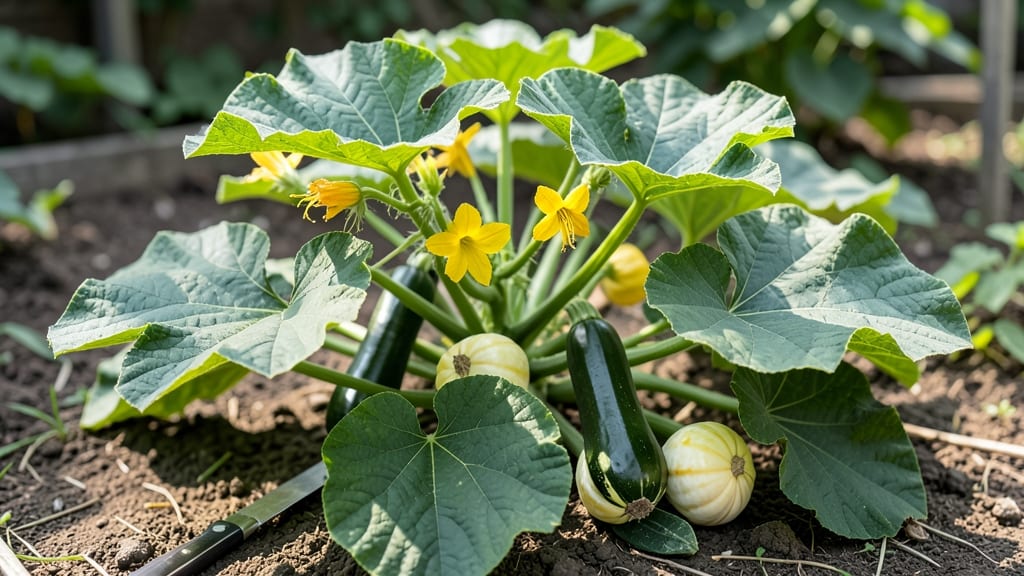
Knowing when to pick squash 🎃 means catching it at its peak—before it turns tough, seedy, or bitter.
Picking squash at the wrong time can mean the difference between a sweet, tender harvest and a tough, seedy disappointment—here’s how to nail the perfect moment every time.
Most gardeners miss the window because they focus on size alone, but color, texture, and even the stem tell the real story. A squash that’s still shiny or soft won’t taste its best, while one left too long on the vine loses flavor fast.
In this guide, I’ll break down the 5 key visual cues to harvest squash at its prime, plus how weather and variety affect timing. By the end, you’ll never second-guess when to pluck that perfect 🎃 again.
5 Visual cues to determine when squash is ready for harvest
Knowing exactly when to pick your squash can feel like guessing—until you learn these visual cues. Summer squash like zucchini and yellow squash need to be harvested at just the right moment, while winter varieties like pumpkins require different signals.
I’ve grown squash for years, and these 5 key indicators will help you avoid tough, seedy disappointment and enjoy tender, flavorful produce instead.
Timing matters because squash continues to ripen after picking, but the flesh can turn fibrous or bitter if left too long on the vine. For example, a zucchini picked too early will be watery, while one left too late becomes tough and full of seeds.
The good news? With these visual cues, you’ll master the perfect harvest window every time.
- 1 Rind Hardness: Press your fingernail into the skin. If it leaves a mark, the squash isn’t ready. A ripe squash’s rind should feel tough and dull, not shiny or soft. For zucchini, this usually means a 1-2 inch thickness at the widest point.
- 2 Color Consistency: Check for even color across the entire squash. Uneven hues (like green patches on a yellow squash) mean it’s not fully ripe. For pumpkins, look for deep, rich tones—orange for jack-o’-lanterns or tan for pie pumpkins. A ripe squash’s color should be vibrant and uniform.
- 3 Stem End Dryness: The stem end should feel dry and woody, not moist or green. If it’s still green, the squash needs more time. For butternut squash, this area often turns hard and papery when ready. Twist the stem gently—if it snaps easily, it’s a sign of ripeness.
- 4 Size Matters: Compare the squash to its variety’s ideal size. A zucchini should be 6-12 inches long, while a yellow squash typically reaches 4-6 inches. For acorn squash, aim for 4-6 pounds. Overgrown squash often means bitter flesh and large seeds.
- 5 Seed Development: For winter squash like pumpkins, gently cut open a small section near the stem. If the seeds are large and hard, the squash is overripe. For summer squash, check the center cavity—if you see developing seeds, harvest immediately to avoid bitterness.
Pro tip: Harvest your squash in the morning when the temperature is cool. This helps preserve moisture and flavor. Use a sharp knife or pruners to cut the squash from the vine, leaving about 1 inch of stem attached. This prevents rot and makes storage easier.
For zucchini and yellow squash, I recommend checking your plants every 2-3 days once they start producing. These varieties ripen quickly, and missing the window means tough, seedy squash. If you’re growing pumpkins or butternut squash, give them more time—they need 90-120 days to mature fully.
One common mistake I see is waiting too long for the "perfect" size or color. Remember, squash continues to grow even after reaching maturity. If left unchecked, a single zucchini can grow to 2 feet long—and while it might look impressive, the flesh will be tough and stringy.
Trust your visual cues, and don’t hesitate to harvest when the squash meets these criteria.
Weather also plays a role in ripening. Hot, dry conditions can speed up the process, while cool or rainy weather may slow it down. If you’re in a humid climate, keep an extra eye on your squash—fungus risks increase when vines stay wet for long periods.
Always harvest on a dry day to reduce disease spread.
Once you’ve mastered these 5 visual cues, you’ll never second-guess your harvest timing again. The key is consistency: check your squash regularly, and don’t wait until you’re unsure. A well-timed harvest means sweeter, tender squash that’s perfect for roasting, grilling, or stuffing—no tough skins or bitter flavors in sight!
Now that you know what to look for, your next step is learning how to store your squash properly. Summer squash keeps best in the fridge for 3-5 days, while winter varieties like pumpkins can last months in a cool, dark place. Happy harvesting!
How to avoid common harvest mistakes that ruin squash flavor
Harvesting squash too early or too late can completely change its flavor and texture. Underripe squash stays bland and watery, while overripe squash develops tough skin, bitter flesh, and large seeds. The key is timing—picking at the right moment ensures sweet, tender fruit every time.
I’ve learned the hard way that waiting just a few extra days can turn a perfect harvest into a culinary disappointment.
One of the biggest mistakes I see gardeners make is relying solely on size as a ripeness indicator. A squash can look big but still be underdeveloped inside. For example, a zucchini might reach 6 inches but have soft skin and underdeveloped seeds.
Similarly, butternut squash can grow heavy but remain pale and starchy if harvested too soon. The solution? Focus on multiple cues, not just one.
If you wait too long, squash flesh turns woody and bitter, seeds swell to pea-size or larger, and the skin becomes thick and leathery. Check these signs of overripeness:
- Seeds: Visible through skin or >1/2 inch long
- Stem: Shriveled or detached from vine
- Color: Dull or faded (e.g., yellow squash turning brownish)
Pro tip: Harvest summer squash every 2-3 days to prevent overgrowth!
To avoid these pitfalls, I always check for seed development first. Cut a squash open lengthwise—if the seeds are smaller than a pencil eraser, it’s not ready. For winter squash like butternut, wait until seeds are fully formed but still soft.
Overripe seeds mean the entire fruit has passed its prime. Another trick? Gently press your fingernail into the skin—if it punctures easily, the squash needs more time.
Environmental factors also play a role. Hot, dry weather can speed up ripening, while cool, cloudy days slow it down. I’ve found that squash ripens faster in July and August when temperatures climb above 85°F.
If you’re unsure, err on the side of harvesting slightly early—squash can continue ripening 1-2 days off the vine at room temperature, but overripe squash won’t improve.
Store harvested squash properly to extend its life. Summer squash (like zucchini) keeps best in the fridge for 3-5 days, while winter squash (like pumpkins) lasts weeks to months in a cool, dark place.
I always leave a 1-inch stem attached to prevent spoilage. And remember: Never wash squash before storing—moisture speeds up rot.
With practice, you’ll develop an eye for the perfect harvest. Start by checking skin hardness, color depth, and stem dryness together. Soon, you’ll be picking squash at its peak—sweet, tender, and seed-free. Happy harvesting!