
Picking
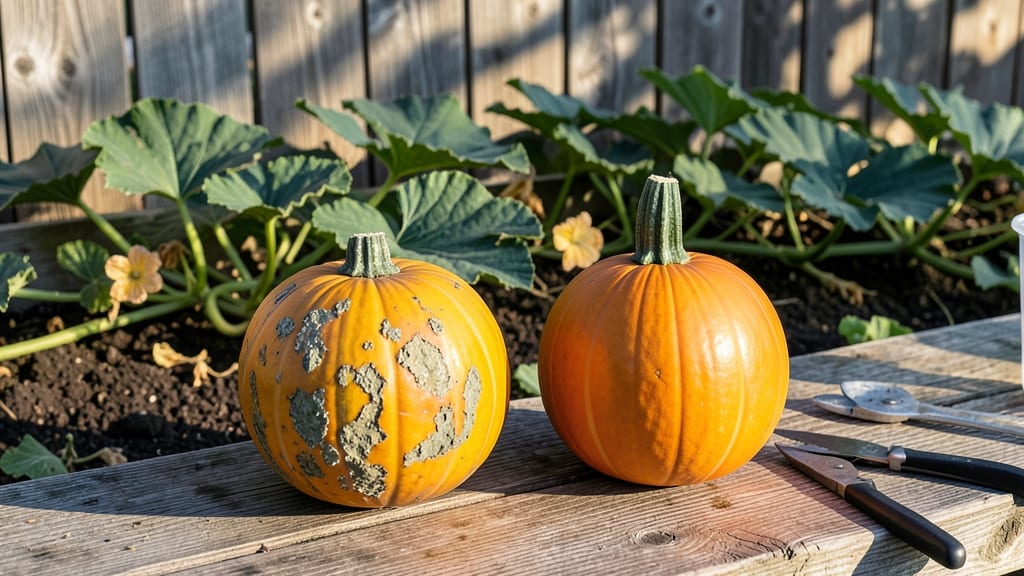
To know if acorn squash is bad, check for soft spots, mold, or foul odors—these signal spoilage. A wrinkled skin or shriveled stem also means it’s past its prime. Store properly to extend freshness: keep at room temperature until ripe, then refrigerate for up to 2 weeks.
Acorn squash spoils primarily through bacterial growth and moisture loss, which create those telltale soft spots and slimy textures. 🌱 The ethylene gas released as it ripens accelerates decay, so storing it properly is key—unripe squash lasts longer at room temperature, while cut pieces need refrigeration to prevent bacterial spread.
Even a slight musty smell means it's time to compost.
For maximum freshness, store whole squash in a cool, dry place away from direct sunlight. Once cut, wrap tightly in plastic wrap and refrigerate for 3-5 days. If you notice dark patches or a sticky residue, that's a clear sign of mold growth—never risk eating it.
The sooner you act on these spoilage signs, the better your chances of enjoying perfectly fresh acorn squash.
💡 In This Article
- Visual and Sensory Signs of Spoiled Acorn Squash
- Best Storage Methods to Prevent Acorn Squash Spoilage
Visual and sensory signs of spoiled acorn squash
Acorn squash spoils primarily due to microbial activity and cellular breakdown, triggered by ethylene gas released during ripening.
This gas accelerates moisture loss and softens the flesh, making it vulnerable to bacterial and fungal invasion. 🌱 When bacteria like Pseudomonas or molds like Penicillium colonize the surface, they produce enzymes that break down cell walls, creating those telltale mushy spots.
The skin's texture is your first warning system. Healthy acorn squash has a firm, slightly glossy exterior with a deep green or orange hue. When it's past its prime, you'll notice wrinkled skin or shriveled stem ends—signs of extreme moisture loss.
Internally, spoiled squash develops a slimy texture and emits a fermented or musty odor, similar to overripe fruit left too long in the fridge.
Color changes are another red flag. Fresh acorn squash has a vibrant, even tone, but spoilage causes dark gray or black patches where mold has taken hold. These patches often appear near the stem or where the squash rests on surfaces.
The flesh itself may turn from creamy yellow to a dull, waterlogged appearance. 💫 Even if the exterior looks okay, these internal changes mean it's time to discard it.
Temperature plays a crucial role in spoilage speed. At room temperature (68-72°F), squash ripens faster due to ethylene gas activity, but refrigeration (35-40°F) slows this process. However, cold storage can also accelerate moisture loss through transpiration, making the skin dry and papery—a clear sign of dehydration.
Don't rely solely on smell—some bacterial spoilage produces minimal odor until it's too late. Instead, combine visual checks (firmness, color) with tactile tests (press gently—if it yields like overripe fruit, it's bad).
The key is acting before these signs become obvious, as microbial growth happens fastest in the 40-140°F danger zone.
One advanced clue is the presence of crystallization on the surface—a white, powdery residue that forms when sugars migrate to the skin. While not always a spoilage sign, it often accompanies advanced ripening and increased vulnerability to rot.
This is your body telling you the squash is nearing its shelf-life limit.