
Picking
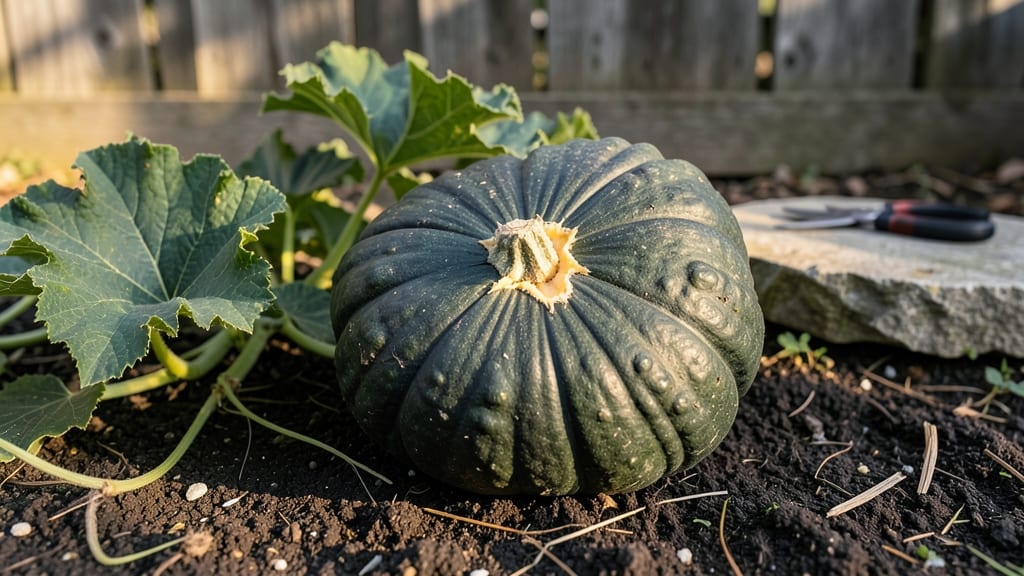
Seeing pictures of bad acorn squash can save you from slicing into a ruined one—so watch for that soft spot or fuzzy growth. 🌱 That’s not just ugly—it’s a sign your squash is already spoiled inside.
I’ve thrown out more squash than I’d like to admit because I missed these early warning signs, and I want you to avoid the same mistake. The most common culprits are rot (which starts as a mushy area and spreads fast) and powdery mildew (that white, dusty coating).
Squash bugs leave behind tiny black eggs or chewed holes, while physical deformities like deep cracks or uneven shapes mean the squash won’t store well—or might already be compromised. These issues often start on the stem end or where the squash rests on the ground.
Once you recognize these problems, you can act fast: remove affected squash immediately, improve airflow in your garden, and store your harvest in a cool, dry place. A little vigilance now means you’ll always have perfect squash for roasting, stuffing, or baking—no surprises in the kitchen.
This guide covers everything from field to table, so you’ll know exactly what to look for and how to keep your squash healthy all season long.
Root Causes Of Spoilage
Acorn squash may look perfect on the outside but hide unpleasant surprises inside—mushy flesh, bitter tastes, or even mold. Understanding the science behind these flaws helps you avoid them. Here’s why your squash might turn out bad, and what triggers those unwelcome changes.
🍂 The Problem: Acorn squash is harvested at peak ripeness when its skin turns a deep, glossy orange or green (depending on the variety). But if picked too early or too late, its flavor and texture suffer.
- Too Early: The squash is hard, fibrous, and lacks sweetness. The seeds may not fully develop, and the flesh stays tough and bland. - Too Late: Overripe squash becomes soft, waterlogged, and prone to fermentation.
The skin may develop dark spots or cracks, and the flesh can turn mushy or develop an off-flavor.
🔬 The Science: Acorn squash relies on starch-to-sugar conversion as it ripens. When harvested too soon, this process is incomplete, leaving the flesh starchy and unappetizing. Conversely, overripe squash breaks down due to enzymatic activity (like pectinase and cellulase), which softens cell walls and increases moisture content—ideal conditions for microbial growth.
✨ Pro Tip: Check for a firm yet slightly yielding stem when pressing the squash. A ripe one should have a dull, matte skin (not shiny) and a hollow stem that snaps easily.
🧊 The Problem: Temperature and humidity control are critical for long-term storage. Acorn squash stored improperly develops chilling injury, mold, or premature spoilage.
- Cold Damage: Storing squash below 50°F (10°C) triggers chilling injury, causing discoloration, pitting, and a grainy texture. The flesh may develop off-flavors or brown spots. - High Humidity: Excess moisture leads to rot and mold (especially Rhizopus or Penicillium species).
The skin may soften, and the squash becomes slimy. - Ethylene Gas Buildup: Squash releases ethylene as it ages, speeding up ripening in nearby produce. If stored in a sealed container, this gas accelerates spoilage.
🔬 The Science: Acorn squash is semi-climacteric, meaning it produces ethylene but not as aggressively as apples or bananas. However, low temperatures disrupt cell membrane integrity, leading to oxidative stress and tissue breakdown. Meanwhile, high humidity encourages microbial growth by providing the moisture fungi and bacteria need to thrive.
💡 Storage Hack: Store squash in a cool (50–55°F / 10–13°C), dry, and well-ventilated space (like a pantry). Avoid the fridge unless short-term storage is needed—never below 40°F (4°C). A paper bag with air holes can help regulate ethylene levels.
💥 The Problem: Dents, cuts, or scrapes create entry points for pathogens and decay. Even minor damage can lead to localized rot that spreads inward.
- Surface Injuries: Knife cuts, animal bites, or rough handling expose the flesh to air and microbes. The damaged area turns brown or black as polyphenol oxidase (PPO) enzymes react with oxygen, causing enzymatic browning. - Internal Bruising: Dropping or squeezing the squash can crush cells without visible signs.
Over time, these bruises soften and ferment, leading to a sour or alcoholic smell.
🔬 The Science: When cells are damaged, membrane integrity breaks down, releasing enzymes like PPO and peroxidases. These enzymes react with phenolic compounds in the squash, producing melanin-like pigments (the brown/black discoloration). Meanwhile, anaerobic conditions in bruised areas promote lactic acid bacteria and yeast growth, leading to off-flavors.
🔥 Prevention Tip: Handle squash gently—support the base when carrying, and avoid stacking heavy items on top. If you must cut it, use a sharp knife and sterilize the blade with rubbing alcohol to minimize bacterial contamination.
🐜 The Problem: Insects, fungi, or bacteria can infiltrate the squash before or after harvest, causing irreversible damage.
- Squash Bugs & Vine Borers: These pests inject toxins or lay eggs inside the squash, leading to hollow spots, wilting, or moldy growths. - **Powdery Mildew (Erysiphe cichoracearum): A fungal infection that appears as white, powdery patches on the skin.
If severe, it penetrates the flesh, causing bitter, mushy areas. - Bacterial Soft Rot (Erwinia spp.): Causes watery, foul-smelling decay, often starting at the stem end. The flesh becomes slippery and discolored.
🔬 The Science:** Fungi like Erysiphe thrive in humid conditions (70–90% relative humidity), while bacteria like Erwinia exploit wounds or high-sugar environments (like overripe squash). Insects disrupt the plant’s natural defenses, making it easier for pathogens to invade.
🛡️ Defense Strategy: Inspect squash for holes, webbing, or unusual growths before buying. If storing, keep it in a clean, dry place and avoid washing until ready to use (excess moisture promotes mold).
🌡️ The Problem: Acorn squash has a natural curing process that hardens the skin and extends shelf life. Skipping this step leads to premature drying, shriveling, or rot.
- Uncured Squash: Without a 10–14 day curing period at 80–85°F (27–29°C) and 80% humidity, the skin stays soft and prone to mold or physical damage.
- Over-Curing: Prolonged curing can dry out the flesh, making it tough and mealy.
🔬 The Science: Curing triggers lignin deposition in the skin, strengthening it against water loss and microbial invasion. Without this, the squash loses moisture too quickly, leading to shriveling and fungal growth.
⏰ Quick Cure Guide:
- Wash & Dry: Clean the squash and let it air-dry completely.
- Warm Environment: Place it in a sunny spot (like a windowsill) or warm oven (set to 200°F / 93°C, then turned off) for 10–14 days.
- Check Daily: Ensure the skin is hard and dry—not sticky or moldy.
🔪 The Problem: Cross-contamination or poor hygiene during cutting can introduce **bacteria (like Listeria or Salmonella) or mold spores, ruining the squash even if it looked fine before.
- Dirty Knives/Boards: Residue from other foods (like raw meat) can transfer harmful microbes.
- Stale Storage Containers: Reusing plastic bags or containers with old food residue fosters bacterial growth.
- Delayed Cooking: Leaving cut squash unrefrigerated for >2 hours allows pathogenic bacteria to multiply rapidly.
🔬 The Science: Acorn squash has a high moisture content (85–90%), making it an ideal growth medium** for bacteria. Listeria monocytogenes, for example, can thrive at refrigeration temps (34–113°F / 1–45°C), while E. coli multiplies quickly at room temperature.
🧼 Safety First:
- Sanitize surfaces with bleach solution (1 tbsp bleach per gallon of water) or vinegar.
- Use separate cutting boards for squash vs. raw meat.
- Store cut squash in airtight containers and refrigerate immediately (use within 3–5 days).
Fixing Flawed Acorn Squash
When your acorn squash looks less than perfect—whether it’s shriveled, moldy, or just plain ugly—don’t toss it out just yet! Many issues have simple fixes or can be prevented with a few smart steps.
Below, we’ll break down common problems and how to salvage or avoid them, so you can still enjoy sweet, flavorful squash in your meals.
Cause: Overripe squash or bruising from rough handling. Fix:
- Trim and Use: Cut out the soft spots and use the rest in soups, roasted dishes, or purees. The firm flesh is still safe to eat!
- Pickle It: Thinly slice the squash and pickle it with vinegar, salt, and spices for a tangy, crunchy snack.
- Bake into Bread: Mix the mushy parts into squash bread or muffins—it adds natural sweetness.
Prevention Tip: 🌡️ Store squash in a cool, dry place (50–55°F) and avoid stacking heavy items on top.
Cause: Excess moisture or poor storage leading to fungal growth. Fix:
- Scrub and Save: If mold is only on the skin, scrub the area with a brush and a baking soda solution (1 tbsp baking soda + 2 cups water). Let dry in sunlight for 30 minutes before storing.
- Peel and Cook: If mold penetrates deeper, peel the squash and cook it thoroughly (boiling or roasting kills mold spores).
- Compost the Rest: If mold is widespread, discard the squash to prevent spreading.
Prevention Tip: ✨ Wipe squash dry before storing and keep it in a well-ventilated area.
Cause: Dehydration from improper storage or age. Fix:
- Rehydrate: Soak the squash in warm water for 10–15 minutes to plump it up before cooking.
- Use in Cooking: Shriveled squash is still edible—roast, mash, or blend it into sauces where texture isn’t critical.
- Avoid Peeling: The skin is nutrient-rich; just scrub it clean before cooking.
Prevention Tip: 💡 Store squash in a paper bag (not plastic) to allow airflow and prevent moisture loss.
Cause: Oxidation, bruising, or exposure to cold temperatures. Fix:
- Cut Out Damaged Areas: Remove discolored spots and use the rest in recipes like stuffed squash or stir-fries.
- Soak in Lemon Water: For minor browning, soak the squash in cold water with lemon juice (1 tbsp per quart) for 10 minutes to brighten the skin.
- Use for Stock: Simmer the squash with herbs and vegetables to make a flavorful broth.
Prevention Tip: ❄️ Avoid refrigerating whole squash—store it at room temperature until ready to use.
Cause: Squash bugs, beetles, or rodents chewing through the flesh. Fix:
- Inspect and Clean: Wash the squash thoroughly under running water, then scrub with a vinegar solution (1:3 vinegar to water).
- Freeze for Safety: If pests are inside, freeze the squash for 24 hours to kill any lingering bugs before cooking.
- Use for Animal Feed: If the squash is too far gone, compost it or use it as feed for livestock (if safe in your area).
Prevention Tip: 🎯 Store squash in mesh bags or containers to deter pests, and check for holes before bringing it indoors.
Final Thought: Even "bad" acorn squash can often be rescued with a little creativity! When in doubt, when cooked thoroughly, squash is safe to eat—just focus on using the firm, healthy parts. Happy cooking!
Frequently asked questions
What does acorn squash rot look like on the outside?
Rotten acorn squash often shows dark, sunken spots that feel mushy when pressed. You might also see white or gray fuzzy growth (mold) or liquid oozing from cracks. Check the stem end first—it’s the most vulnerable spot.
Can I still eat acorn squash with a little mold?
Yes, if the mold is only on the skin and hasn’t penetrated deeply. Scrub the affected area with baking soda solution (1 tbsp baking soda + 2 cups water), then cook the squash thoroughly. For safety, cut out any moldy spots and discard them.
Why does my acorn squash smell bad even though it looks fine?
A foul or fermented odor means the squash is already spoiled inside, likely from overripeness or bacterial growth. Even if the skin looks good, the flesh may be mushy or off-flavored. When in doubt, slice it open—if it smells sour or alcoholic, toss it.
How do I tell if acorn squash is too old to eat?
Look for deep cracks, wrinkled skin, or a hollow stem that’s still attached—these are signs of extreme age. The squash will also feel very light for its size and may have a dull, dry texture. If it’s shriveled but firm, it’s still usable for cooking.
What should I do if my acorn squash has holes from pests?
Wash the squash thoroughly, then scrub with a vinegar solution (1:3 vinegar to water). If pests are inside, freeze the squash for 24 hours to kill any remaining bugs before cooking. For severe damage, compost it instead.