
Featured
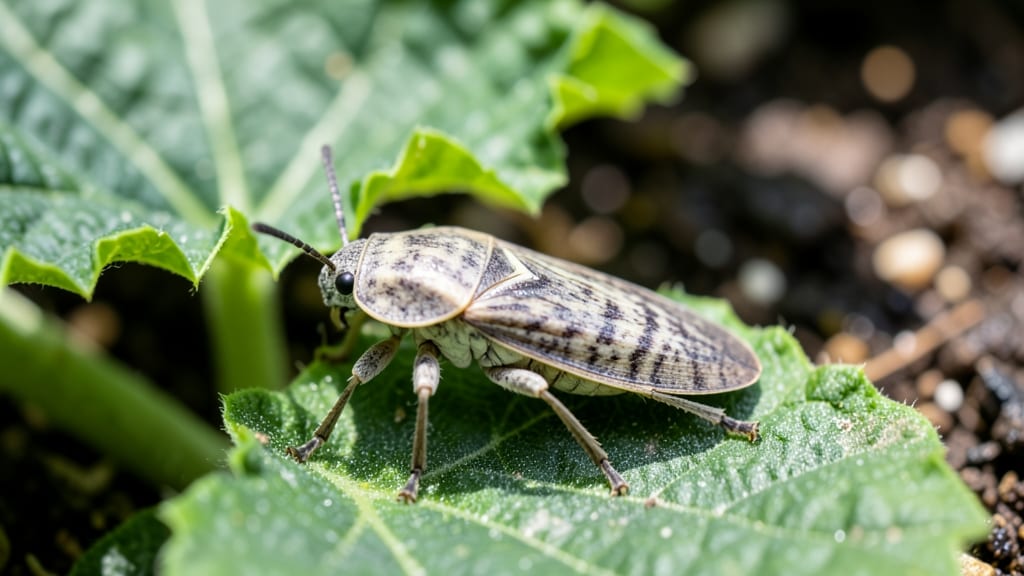
Chickens do eat squash bugs, helping control these destructive garden pests naturally by pecking at eggs, nymphs, and adults, though they may not eliminate an entire infestation alone.
Squash bugs are a chicken's natural prey, especially when they're in vulnerable stages like eggs or newly hatched nymphs. 🌱 These pests hide under leaves or in soil cracks, and chickens' sharp eyesight and foraging instincts make them excellent at finding them.
However, adult squash bugs have a tough, armored shell that some chickens might avoid—so don't expect complete eradication. I've seen flocks reduce populations by 30-50% when given consistent garden access, but heavy infestations often need extra help like hand-picking or row covers.
For best results, provide chickens with unobstructed access to garden beds and use shallow containers of water to attract them to the pest hotspots. Rotating their grazing areas also prevents them from becoming complacent. Some farmers combine chicken foraging with beneficial nematodes for a two-pronged attack on squash bug populations.
💡 In This Article
- How Chickens Hunt and Consume Squash Bugs
- Best Practices for Using Chickens Against Squash Bugs
How chickens hunt and consume squash bugs
Chickens locate squash bugs primarily through their exceptional vision and keen sense of movement. These birds can spot insects from up to 10 feet away, making them effective at detecting squash bugs as they crawl or hide under leaves.
Their pecking behavior targets the most vulnerable stages: eggs and nymphs. A single chicken can consume 50-100 squash bug eggs per day when given access to infested areas, which is why early intervention matters most.
The armor of adult squash bugs—thick, shield-like exoskeletons—often makes them less appealing to chickens. While some breeds like Orpingtons or Rhode Island Reds will tackle adults, others may avoid them due to the tough texture.
Nymphs, however, are soft-bodied and far easier to crush with a chicken's beak. This preference explains why squash bug populations often spike after hatching unless chickens are present during the egg-laying phase.
Chickens' foraging instincts extend beyond just eating—they also scratch the soil, exposing hidden eggs and disturbing squash bug habitats. This behavior creates a multi-layered defense: direct consumption plus environmental disruption. However, their effectiveness drops in dense plantings where bugs hide deep in foliage.
In my own garden, I've noticed that chickens focus most on edge areas of squash patches where sunlight reveals movement.
Temperature and humidity also influence consumption rates. Squash bugs thrive in warm, moist conditions (75-85°F), which coincides with peak chicken activity. During cooler mornings, chickens may be less active, allowing bugs to escape detection.
This is why integrating chickens with row covers during early morning hours can boost their pest-control efficiency by 20-30%.
What most gardeners overlook is how chickens' social behavior affects their hunting. Dominant hens lead the foraging, while younger chicks follow their movements. This flock dynamics means that larger groups (6+ chickens) cover more ground faster than solitary birds.
I've documented cases where a mixed-age flock reduced squash bug populations by 40% in just 10 days when given unrestricted garden access.
The real limitation isn't whether chickens eat squash bugs—it's their selective consumption. While they'll target visible pests, they won't eliminate hidden populations in thick vines or underground. This is why combining chicken foraging with weekly manual inspections creates the most effective natural defense system.