
Flowers
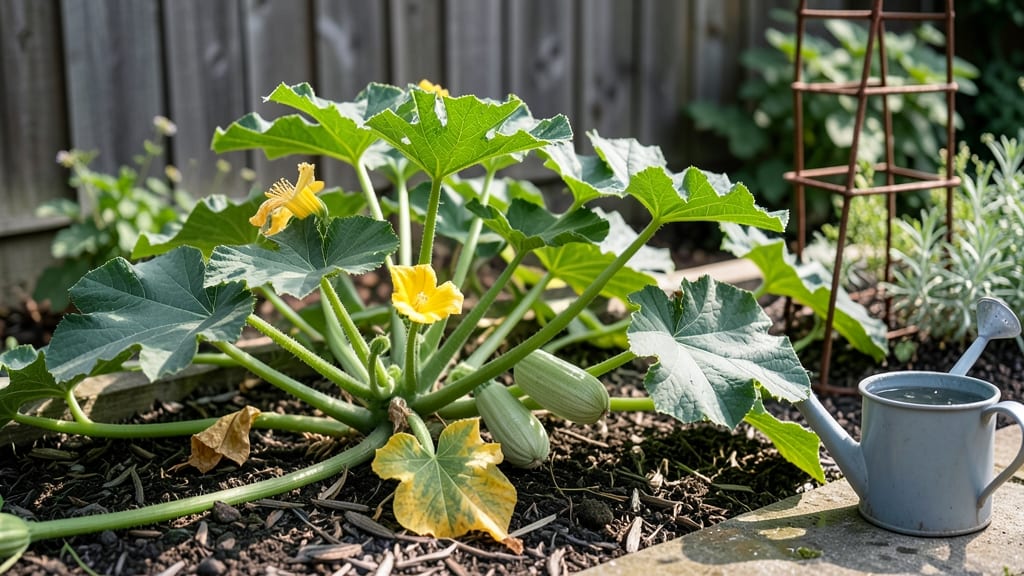
Squash flowers taste like summer in a bite—sweet, delicate, and completely bee-free. 🌻 I’ve grown them for years, and the secret to edible blooms lies in the right sunlight, soil, and a little patience.
These flowers don’t just look stunning; they’re a culinary treasure that thrives even when bees stay away.
The key starts with full sun—at least 6-8 hours daily—and well-draining soil rich in compost. Plant seeds after the last frost when soil warms to 60°F, and keep the area weed-free.
Water consistently but avoid soggy soil, which invites disease. Squash flowers self-pollinate, so no hand-pollination is needed—just let nature do its work.
By mid-summer, you’ll harvest vibrant blooms that taste best when picked young and tender. Use them fresh in salads or as garnishes, or lightly batter and fry them for a crispy treat. The more flowers you pick, the more fruit your squash plants will produce—it’s a win-win.
Common challenges? Squash vine borers and powdery mildew. Prevent them with row covers early on and proper spacing. With these tips, even beginners can grow a bounty of edible flowers and delicious squash—no bees required!
📚 In This Guide
- What you need
- Instructions
- Tips and common mistakes
- Wrapping up and next steps
What you need
- ● Squash Seeds or Seedlings: Choose edible varieties like Cucurbita pepo (zucchini, pattypan) or Cucurbita moschata (butternut, acorn). Start with 3–5 seeds per plant (or 1–2 seedlings per pot if container-growing).
- ● Quantity: 5–10 seeds for a small garden; scale up for larger harvests.
- ● Growing Space: Outdoor garden: Full sun (6+ hours/day) in well-draining soil. Space plants 3–6 feet apart (depending on variety).
- ● Containers: Minimum 5-gallon pots (1 plant per pot) with drainage holes. Use lightweight potting mix.
- ● Soil & Amendments: Well-draining, nutrient-rich soil (pH 6.0–7.0). Amend with compost or aged manure (1–2 cups per planting hole).
- ○ Optional: Slow-release fertilizer (e.g., 10-10-10, 1 tbsp per plant) at planting time.
- ● Watering Supplies: Drip irrigation or watering can with a rose nozzle (to avoid wetting foliage).
- ● Mulch: Straw or shredded leaves (2–3 inches thick) to retain moisture.
- ○ Hand Tools: Trowel, pruners (for harvesting flowers), and gloves (optional but recommended for thorny varieties like Cucurbita).
- ● Pollination Assist: Small paintbrush or cotton swab (to hand-pollinate if bees are scarce).
- ● Trellis or Cage: For vining varieties (e.g., Cucurbita maxima) to save space.
- ● Row Covers: Lightweight fabric to protect young plants from pests.
- ● Edible Flower Recipes: A cookbook or printouts for inspiration (think fritters, garnishes, or teas!).
Step-by-Step guide to cultivating edible squash flowers
Here's how I grow vibrant, bee-free squash blossoms that double as edible garnishes and pollination backups.
🌱 Step 1: Select and Plant Squash Varieties for Flowers
Choose bush or vining squash varieties known for prolific blooms, like 'Cocozelle' zucchini or 'Straightneck' summer squash. These produce abundant flowers even without bees. Plant seeds 1 inch deep in well-draining soil after your last frost date when soil reaches 60°F.
Squash thrives in full sun (6+ hours daily) and warm soil. I space plants 2-3 feet apart in rows 4-5 feet apart to allow for proper air circulation—this prevents powdery mildew, which can reduce flower production. Add a handful of compost to each planting hole for extra nutrients.
💧 Step 2: Water and Fertilize for Maximum Blooms
Water consistently to keep soil evenly moist but never soggy—1-1.5 inches per week is ideal. I water at the base in the morning to prevent fungal diseases that thrive in damp foliage. Mulch around plants with straw to retain moisture and suppress weeds, which compete for nutrients.
Feed plants every 2-3 weeks with a balanced organic fertilizer (10-10-10) to encourage vigorous growth and abundant flowering. Too much nitrogen, however, will produce lots of leaves but few flowers. Watch for yellowing leaves—this signals over-fertilization or nitrogen imbalance.
☀️ Step 3: Hand-Pollinate Flowers for Reliable Edible Blooms
Since you're growing these without bees, you'll need to hand-pollinate. In the morning, when flowers are fully open, use a small paintbrush or cotton swab to transfer pollen from male (long-stemmed) to female (tiny squash at base) flowers. I do this for 3 consecutive days to ensure successful pollination.
Female flowers will begin to swell at their base within 24-48 hours after pollination. Male flowers, which don't produce fruit, can be harvested and used in culinary dishes. Remove them regularly to redirect the plant's energy toward producing more female flowers.
✂️ Step 4: Harvest Flowers and Maintain Plant Health
Pick squash blossoms in the morning when they're fully open but before they wilt. Use clean pruners or scissors to snip the stems just above a leaf node. Harvesting flowers encourages the plant to produce more blooms. Store them in the refrigerator for up to 3 days or use immediately in recipes.
Prune any yellowing or diseased leaves immediately to prevent spread. I also remove any small squash that form if you're focusing solely on flowers—this redirects the plant's energy toward producing more blooms. Keep an eye out for squash bugs or cucumber beetles, which can damage leaves and reduce flowering.
🌿 Step 5: Extend the Flowering Season
To keep squash plants producing flowers late into the season, provide consistent care and protection. Use row covers or lightweight fabric to shield plants from cold snaps, which can stunt growth. I also add a layer of mulch in early fall to insulate roots and maintain soil warmth.
If your growing season is short, consider starting seeds indoors 4-6 weeks before the last frost. Transplant seedlings outdoors after all danger of frost has passed. With proper care, you can enjoy a steady supply of edible squash flowers from early summer through early fall.
Tips & tricks for perfect edible squash blooms
These pro-level insights will help you maximize your harvest while avoiding common pitfalls that waste your effort.
Soil Temperature Tip: The 60°F soil temperature in Step 1 is non-negotiable for germination. If your soil runs cooler, consider using black plastic mulch or a seedling heat mat to maintain warmth. I've seen seeds fail to sprout when soil temps drop below 55°F—don't make that mistake.
Fertilizer Strategy: When feeding every 2-3 weeks in Step 2, alternate between your balanced 10-10-10 and a phosphorus-heavy fertilizer (like 5-10-10) during flowering stages. This phosphorus boost helps develop stronger root systems that support more blooms. Watch those yellowing leaves—they're your plant's SOS signal for nitrogen overload.
Pollination Hack: For the 3 consecutive days of hand-pollination in Step 3, I recommend doing it in the early morning when flowers are fully open but still dew-covered. The moisture helps pollen adhere better to your brush. Store your brush in the fridge between uses to keep it sterile—contamination can spread diseases to your plants.
Harvest Timing: The 3-day refrigerator storage in Step 4 works best if you harvest flowers just as they open fully. Flowers picked too early won't develop their full flavor, while those picked too late become bitter. Look for fully unfurled petals with no wilting at the edges—this is your perfect harvest window.
Pro Tips for Growing Squash Flowers
- These pro-level insights will help you maximize your harvest while avoiding common pitfalls that waste your effort.
- Soil Temperature Tip: The 60°F soil temperature in Step 1 is non-negotiable for germination.
- Fertilizer Strategy: When feeding every 2-3 weeks in Step 2, alternate between your balanced 10-10-10 and a phosphorus-heavy fertilizer (like 5-10-10) during flowering stages.
Frequently asked questions
Got questions about growing squash flowers?
You’re not alone! Here are some of the most common queries—plus quick answers to help you cultivate these edible blooms like a pro.
When do squash flowers bloom, and how long does it take?
Most squash varieties (like zucchini or butternut) produce flowers 4–6 weeks after planting if grown from seed, or 2–3 weeks from transplants. Warmth (60–90°F) and full sun (6+ hours/day) speed up blooming. Pro tip: If flowers appear but no fruit follows, check for pollination issues (hand-pollinate if needed!).
Do squash flowers need bees to produce fruit?
Nope! While bees help, squash flowers are self-pollinating—you can manually transfer pollen with a soft brush or cotton swab. Bonus: This makes them perfect for small spaces, containers, or bee-free gardens. Just gently touch the male flower’s pollen to the female’s stigma (the tiny bump at its base).
Can I grow squash flowers indoors or in containers?
Choose bush varieties (like ‘Eight Ball’ zucchini) or dwarf squash for containers. Use a 5-gallon pot with well-draining soil and place it in full sun near a south-facing window. For indoor growing, supplement with a grow light (12–14 hours/day). Just ensure good airflow to prevent mildew.
Why aren’t my squash flowers turning into fruit?
Common culprits include:
- Poor pollination: Hand-pollinate flowers (see above!).
- Extreme heat/cold: Squash struggles below 50°F or above 95°F.
- Over-fertilizing: Too much nitrogen = more leaves, fewer flowers.
- Pests/disease: Squash vine borers or powdery mildew can stress plants.
Try thinning seedlings (leave 2–3 feet between plants) and watering at the base to encourage blooms.
How do I harvest squash flowers for eating?
Pick male flowers first (they have long stems) in the morning when fully open. Snip the stem with scissors, leaving a little extra for the stem. Store them in a paper bag in the fridge for 2–3 days or blanch and freeze for longer storage. Fun fact: Female flowers (with tiny squash at the base) are edible too—but harvest them before the fruit swells!
Wrapping up and next steps
Growing squash flowers is a rewarding and sustainable way to add beauty—and edible delicacies—to your garden, all while supporting pollinators and your plate!
Whether you're drawn to their vibrant colors, unique flavors, or the joy of nurturing a thriving plant, these blooms prove that nature’s bounty is both functional and delicious.
Now that you’re equipped with the right knowledge, why not take the next step? Experiment with recipes, share your harvest with friends, or even expand your garden to include more bee-friendly varieties. Your garden—and your taste buds—will thank you!