
Picking
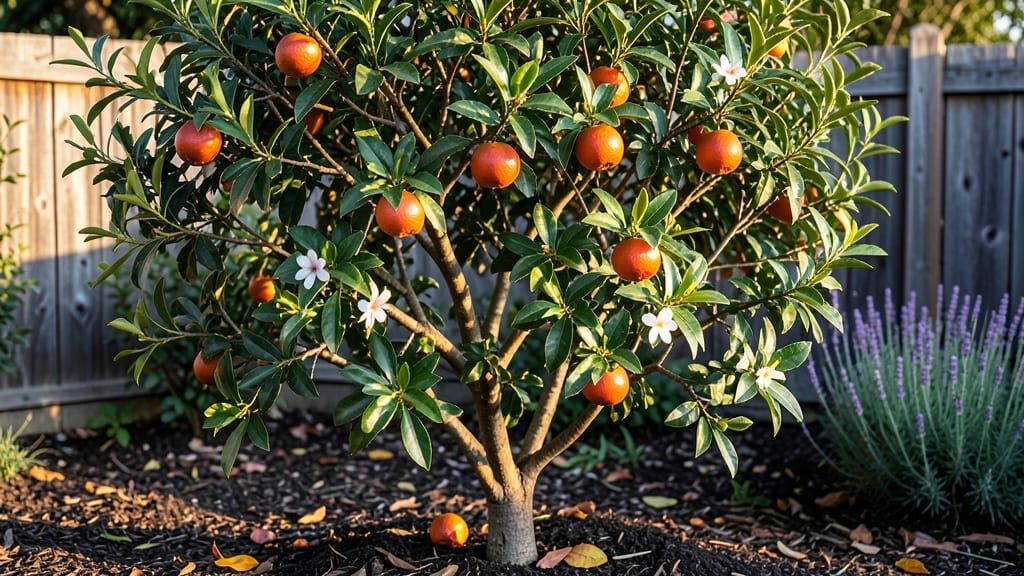
Growing round orange squash like Delicata or Acorn transforms your garden into a treasure trove of sweet, nutty harvests. 🌱 I’ve grown these varieties for years, and the key to their success lies in warm soil, consistent water, and the right spacing—none of which are as tricky as they sound.
These squash thrive where others struggle, producing vibrant, edible-skinned fruits that taste like autumn in every bite.
The secret starts with soil that drains well but holds moisture—think crumbly, compost-rich earth. Plant seeds after the last frost when soil reaches 60°F, spacing them 2–3 feet apart to give vines room to sprawl.
Water deeply at the base (not overhead) to prevent powdery mildew, and mulch with straw to keep roots cool. Within 8–10 weeks, you’ll see those iconic round shapes forming, ready to be harvested.
What makes these varieties special is their dual-purpose nature: the skin is tender enough to eat, while the flesh inside stays creamy and sweet. Delicata squash, for example, ripens early and stores well, while Acorn types pack a bold, nutty flavor.
The harvest window is short but sweet—once they turn a deep orange, they’re ready to pick before pests or weather beat you to it.
Even in small gardens, these squash deliver big rewards. They’re disease-resistant, handle heat better than many varieties, and produce abundantly if given the right conditions. With just a patch of sun and a little patience, you’ll have homegrown squash that outshines anything from the store.
Let’s get those seeds in the ground!
Root Causes Behind Misshapen Squash
If your round orange squash—like the vibrant Hubbard or Turban varieties—aren’t growing perfectly round, several key factors are likely at play. Understanding these causes helps you adjust care strategies for a bountiful, symmetrical harvest. Let’s break down the science behind the most common culprits.
Round orange squash rely on proper pollination to develop evenly. When bees, wind, or hand-pollination fail, the fruit may grow lopsided, misshapen, or fail to plump up. Here’s why:
- Insufficient pollinators: If your garden lacks bees (due to pesticides, lack of flowering plants, or early/late planting), squash flowers may not be fertilized. Solution: Plant bee-friendly flowers nearby (like marigolds or borage) or hand-pollinate by transferring pollen with a paintbrush.
- Male vs. female flowers: Only female flowers (with tiny squash at their base) produce fruit. If male flowers dominate, fewer female blooms mean uneven or stunted growth. Solution: Prune excess male flowers to redirect energy to female blooms.
- Environmental stress: Hot, dry, or windy conditions can deter pollinators. Solution: Water deeply in the morning to attract bees and provide afternoon shade if temperatures exceed 90°F.
Water stress—whether from drought or overhydration—disrupts cell growth, leading to irregular shapes. Round orange squash thrive on consistent moisture, but imbalances trigger:
- Uneven water distribution: Drip irrigation or surface watering can create dry spots, causing one side of the squash to grow faster than the other. Solution: Use soaker hoses or mulch (straw or grass clippings) to keep soil evenly moist.
- Fluctuating moisture levels: Alternating between drought and sudden soaking stresses the plant, leading to cracked or deformed squash. Solution: Aim for 1–1.5 inches of water per week, delivered at the soil base (not the leaves).
- Overhead watering: Wet leaves encourage fungal diseases (like powdery mildew), which stunt growth. Solution: Water at the base early in the day to allow foliage to dry.
Round orange squash are heat-loving but not heat-proof. Temperatures outside their ideal range (60–85°F) can warp their growth:
- Heat stress (>90°F): High temperatures cause blossom end rot (a calcium deficiency symptom) or uneven cell expansion, leading to lopsided squash. Solution: Provide afternoon shade with shade cloth (30–50%) and mulch to regulate soil temp.
- Cold snaps (<50°F): Chilly nights slow metabolism, resulting in stunted or deformed squash. Solution: Use row covers or plant in a microclimate (e.g., near a south-facing wall) to trap warmth.
- Frost damage: Even a light frost can kill young squash or cause them to grow in odd shapes. Solution: Start seeds indoors 2–3 weeks before the last frost or use cold frames.
Round orange squash need a balanced diet of nitrogen (N), phosphorus (P), and potassium (K), plus micronutrients like calcium and magnesium. Deficiencies or excesses distort growth:
| Symptom | Cause | Fix |
|---|---|---|
| Small, hard squash with rough skin | Calcium deficiency (often from uneven watering or high nitrogen) | Apply crushed eggshells or calcium nitrate; ensure consistent moisture. |
| Pale, thin-walled squash | Nitrogen excess (from over-fertilizing) | Reduce nitrogen-rich fertilizers; add compost or balanced 10-10-10 fertilizer. |
| Yellowing leaves with purple stems | Phosphorus deficiency (critical for root/fruit development) | Apply bone meal or phosphorus-rich fertilizer (e.g., 5-10-10). |
Pro tip: Test your soil every 2–3 years to avoid guessing. A simple DIY test kit (or lab analysis) can reveal exact deficiencies. 💡
Hidden threats like squash vine borers, aphids, or fungal infections can alter squash shape by:
- Squash vine borers: Larvae burrow into stems, disrupting nutrient flow and causing squash to grow in odd directions. Solution: Use row covers early in the season or apply neem oil as a deterrent.
- Aphids/spider mites: These sap-suckers weaken plants, leading to stunted or deformed fruit. Solution: Blast off pests with water or introduce ladybugs for natural control.
- Powdery mildew: Fungal spores thrive in humid conditions, creating a white film that blocks sunlight and distorts growth. Solution: Space plants for airflow, avoid overhead watering, and spray with baking soda solution (1 tsp baking soda + 1 quart water + a drop of dish soap).
How to Fix Common Growing Woes
Growing round orange squash—like the vibrant Hubbard or Delicata varieties—can be incredibly rewarding, but even the most enthusiastic gardeners hit snags. Below, we’ve mapped out the most common problems (from the previous section) and practical, step-by-step solutions to get your plants thriving again.
Plus, we’ll share prevention tips to keep future harvests bountiful!
Cause: Cold soil, improper planting depth, or old seeds.
How to Fix It: 🔥 Warm the Soil – Wait until the soil temperature reaches at least 60°F (15°C) before planting. Use a soil thermometer to check. 🍳 Pre-Sprout Indoors – Plant seeds in biodegradable pots 2–3 weeks before the last frost, then transplant seedlings once soil warms up. 👨🍳 Plant at the Right Depth – Press seeds 1 inch deep (not buried too shallow) in well-draining soil. ⏰ Be Patient – Germination can take 7–14 days; keep soil consistently moist (not soggy) during this time.
💡 Prevention Tip: Soak seeds in lukewarm water for 4–6 hours before planting to speed up germination.
Cause: Overwatering, underwatering, fungal diseases (like powdery mildew), or nutrient deficiencies.
How to Fix It: 💧 Check Watering Habits –
- Too much water? Let soil dry 1–2 inches deep between waterings.
- Too little water? Water deeply 1–2 times per week (more in extreme heat).
🌡️ Improve Airflow – Space plants 3–4 feet apart and prune nearby foliage to reduce humidity around leaves. 🎯 Fungal Issues? Spray leaves with a baking soda mix (1 tsp baking soda + 1 quart water + a drop of dish soap) every 7–10 days for powdery mildew. 💪 Boost Nutrients – Side-dress with compost or a balanced fertilizer (10-10-10) when flowers appear.
✨ Prevention Tip: Mulch with straw or grass clippings to retain moisture and suppress weeds (which compete for nutrients).
Cause: Overcrowding, poor pollination, or inconsistent watering.
How to Fix It: 🌿 Thin Plants Early – If seedlings are too close (under 2 feet apart), snip weaker stems to leave only the strongest 2–3 plants per hill. 🐝 Hand-Pollinate (If Needed) – Gently shake plants in the morning to encourage bee activity. If bees are scarce, use a small paintbrush to transfer pollen between flowers. 📊 Water Consistently – Squash needs 1–1.5 inches of water per week. Use drip irrigation to avoid wetting leaves (which attracts disease). 🔪 Harvest Promptly – Pick fruits when firm and fully colored (before they overripe). Overgrown squash steals energy from new blooms!
💡 Prevention Tip: Plant companion flowers (like marigolds or nasturtiums) nearby to attract pollinators!
Cause: These pests chew leaves, lay eggs, or spread disease.
How to Fix It: 🕷️ Manual Removal – Handpick squash bugs (look for flat, grayish ovals under leaves) and drop them in soapy water. 🥘 Neem Oil Spray – Mix 1 tbsp neem oil + 1 tsp mild soap + 1 quart water and spray every 5–7 days (especially at dawn). 🌿 Row Covers – Use floating row covers early in the season to block beetles (remove when flowers appear for pollination). 🎯 Encourage Predators – Ladybugs and lacewings eat aphids; attract them with dill or fennel in your garden.
✨ Prevention Tip: Rotate crops—don’t plant squash in the same spot year after year to break pest cycles.
Cause: Calcium deficiency, often from fluctuating moisture levels.
How to Fix It: 💧 Water Evenly – Keep soil consistently moist (not dry, not soggy). Use mulch to lock in moisture. 📊 Add Calcium – Sprinkle crushed eggshells or bone meal around the base of plants (or use a calcium nitrate fertilizer). 🌡️ Avoid Over-Fertilizing – Too much nitrogen = fewer flowers/fruits. Stick to a balanced 10-10-10 or low-nitrogen fertilizer.
💡 Prevention Tip: Test your soil every 2–3 years—many gardens are calcium-deficient without knowing it!
Once your squash are thriving, extend the season with these tricks:
- Black plastic mulch warms soil and speeds up growth.
- Trellis vining varieties (like some pumpkins) to save space and improve airflow.
- Harvest early—young squash (like Delicata) taste sweeter when small!
With these fixes, your round orange squash should go from struggling to stunning in no time. Happy gardening! 🎉
Frequently asked questions
What's the best soil mix for growing round orange squash?
These varieties thrive in well-draining, fertile soil with a pH between 6.0-7.0. Mix equal parts compost and native soil, then add a handful of aged manure or worm castings for extra nutrients. Avoid heavy clay soils that retain too much moisture.
How do I tell the difference between male and female squash flowers?
Female flowers have a tiny squash at their base (the future fruit), while male flowers have a long stem with no squash. Remove male flowers if you want to encourage more female blooms, especially when fruits are small. This redirects energy to fruit development.
Can I grow round orange squash in containers?
Yes! Choose bush varieties like Delicata and use containers at least 12 inches deep with drainage holes. Each plant needs 5 gallons of soil minimum. Place containers in full sun and keep soil consistently moist - container-grown squash dry out faster.
Why are my squash growing lopsided or misshapen?
This usually happens from uneven watering, poor pollination, or pest damage. Check for consistent moisture (1-1.5 inches per week) and hand-pollinate if bees aren't visiting. Also inspect for squash vine borers - their larvae disrupt nutrient flow, causing deformed growth.
How long does it take for round orange squash to mature?
Most varieties like Delicata or Acorn reach harvest in 80-100 days from planting. Check for firm skin and deep orange color - don't wait until they're oversized. Smaller squash (6-8 inches) often have sweeter flesh and thinner skins.