
Picking
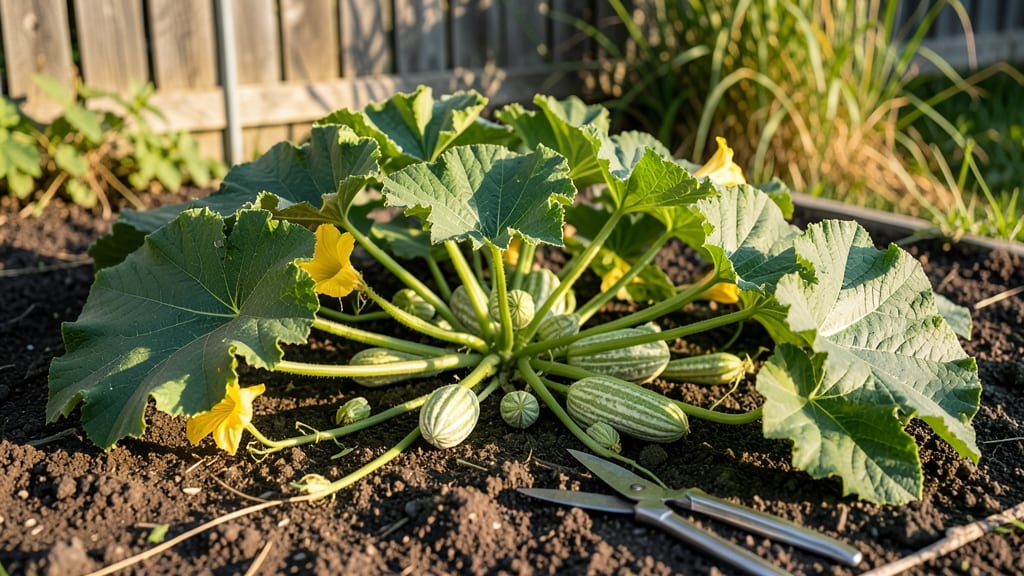
Growing young delicata squash means harvesting tender, sweet flesh with those signature ribbons—before they get tough and seedy. 🌱 I learned the hard way that waiting too long turns them from a dessert into a chewy challenge, but this guide will help you nail the timing every time.
The secret starts with rich, well-draining soil mixed with compost—delicatas thrive when their roots can spread freely. Plant seeds after your last frost when soil reaches 60°F, spacing them 2-3 feet apart in full sun.
Water deeply at the base (not overhead) to prevent mildew, and watch for squash bugs by checking leaves regularly. When harvesting, look for 6-8 inch fruits with vibrant stripes—firm but still slightly soft to the touch. The flesh should be bright yellow inside, not orange.
One plant yields 8-10 perfect squash, and the flavor? Like a cross between zucchini and sweet potato, but better. This method works for both garden beds and containers (use 5-gallon pots). The key is consistency—don’t skip the mulch to retain moisture, and harvest early to encourage more production.
Ready to grow squash that tastes like summer?
📚 In This Guide
- What you need
- Instructions
- Tips and common mistakes
- Wrapping up and next steps
What you need
- ● Delicata squash seeds: Heirloom or certified organic seeds (1–2 packs for a small garden, 3+ for larger harvests). Look for varieties like ‘Delicata’ or ‘Sweet Dumpling.’
- ● Well-draining soil: Mix of 60% garden soil, 30% compost, and 10% perlite/sand (pH 6.0–7.0). Avoid heavy clay.
- ● Containers or garden space: Containers: 5-gallon pots or larger (1 plant per container). Ensure drainage holes!
- ● Garden beds: Full sun (6+ hours/day), spaced 3–4 feet apart (vines spread!).
- ● Fertilizer: Balanced organic fertilizer (e.g., 5-5-5) or compost tea at planting and mid-season.
- ● Watering can/hose: With a gentle spray nozzle to avoid damaging seedlings.
- ● Mulch: Straw or shredded leaves (2–3 inches) to retain moisture and suppress weeds.
- ● Garden trowel or transplanting tool (for seedling placement).
- ● Pruning shears (to trim excessive vines or yellowing leaves).
- ● Row covers or shade cloth (for early planting in cool climates).
- ● Harvest knife or pruners (for clean cuts when picking squash).
- ○ Trellis or cage (optional)—Delicata vines sprawl, but training them vertically saves space!
- ● Soil test kit (to check nutrient levels before planting).
Step-by-Step instructions for growing young Delicata squash
Here’s how to grow tender, sweet Delicata squash with those signature ribbons—ready for harvest in just 50 days.
🌱 Step 1: Start Seeds Indoors 3-4 Weeks Before Last Frost
Delicata squash thrives when transplanted, so begin seeds indoors under grow lights or in a sunny window. Use 4-inch pots filled with seed-starting mix and plant seeds 1 inch deep. Keep the soil warm—70-80°F speeds germination, which typically takes 5-10 days.
Once sprouts appear, move pots to a sunny windowsill or under lights for 12-14 hours daily. Thin seedlings to the strongest one per pot, snipping weaker stems at the base. You’ll know they’re ready for transplanting when they have 2-3 true leaves and are about 4 inches tall.
☀️ Step 2: Harden Off and Transplant After All Frost Risk Passes
Begin hardening off seedlings 7-10 days before transplanting by placing them outside in a sheltered spot for 1-2 hours daily, gradually increasing exposure. Delicata squash loves warmth—wait until soil temperatures reach 60°F before moving them outdoors.
Choose a location with full sun (at least 6-8 hours daily) and well-draining soil. Space plants 2-3 feet apart in rows 4 feet apart to give vines room to sprawl. Bury seedlings slightly deeper than their pots to encourage strong root growth.
💧 Step 3: Water Deeply and Mulch to Retain Moisture
Water deeply at the base of plants 1-2 inches per week, keeping soil consistently moist but not soggy. Delicata squash is drought-sensitive—wilting leads to bitter fruit. Mulch with 2-3 inches of straw or shredded leaves to retain moisture and suppress weeds.
Fertilize lightly with a balanced organic fertilizer (10-10-10) at planting and again when vines start running. Avoid over-fertilizing—too much nitrogen promotes leafy growth over fruit production. Watch for yellowing leaves, a sign of overwatering or nutrient imbalance.
⏰ Step 4: Harvest When Ribbons Appear and Fruit Feels Firm
Delicata squash is ready to harvest when the skin develops its signature ribbon stripes and the fruit feels firm to the touch. Use pruning shears to cut stems, leaving a 1-inch stem attachment to extend shelf life. Harvest in the morning for peak sweetness.
Store squash in a cool, dry place for up to 2 months. For immediate use, roast whole or slice into rings—you’ll love the tender, nutty flavor when harvested young. Keep an eye out for overripe squash, which turns soft and loses its sweetness.
Tips & tricks for perfect young Delicata squash
Took me a while to figure these out, so here goes—these little tricks will help you grow the sweetest, most tender Delicata squash possible.
Soil Warmth Secret: That 70-80°F soil temperature in Step 1 isn't just a suggestion—it's crucial for speedy germination. I learned this the hard way after waiting two weeks for seeds that never sprouted. Use a seedling heat mat if your home stays cool, or place pots on top of your fridge for consistent warmth. The faster those seeds sprout, the sooner you'll be enjoying fresh squash.
Harden Off Gradually: The 7-10 day hardening off period in Step 2 is your chance to prepare seedlings for outdoor life. Start with just 1-2 hours in a sheltered spot, then increase by 30 minutes each day. I once rushed this process and lost half my seedlings to shock—don't make my mistake! Watch for sturdy stems that don't wilt when touched.
Watering Wisdom: Those 1-2 inches per week in Step 3 are non-negotiable for Delicata squash. The key is consistency—water deeply at the base rather than sprinkling leaves. I use a rain gauge to track moisture, and I've found that watering in the early morning gives plants time to dry before evening. Yellowing leaves? That's your warning sign to adjust your watering routine immediately.
Harvest Timing: The ribbon stripes in Step 4 are your visual cue, but don't rely on them alone. Run your thumb along the skin—if it feels firm and the flesh is tender when you cut into it, that's your perfect harvest window. I've harvested too early (tough skin) and too late (soft flesh) before finding this reliable test. Morning harvests always yield the sweetest flavor too!
Pro Tips for Young Delicata Squash
- Took me a while to figure these out, so here goes—these little tricks will help you grow the sweetest, most tender Delicata squash possible.
- Soil Warmth Secret: That 70-80°F soil temperature in Step 1 isn't just a suggestion—it's crucial for speedy germination.
- Harden Off Gradually: The 7-10 day hardening off period in Step 2 is your chance to prepare seedlings for outdoor life.
Frequently asked questions
Got questions about young Delicata squash?
You’re not alone! Here are answers to the most common queries—from picking the perfect specimen to troubleshooting common growing hiccups.
How do I know when young Delicata squash is ready to harvest?
Harvest when the squash is small (6–8 inches long) and the skin is still tender but firm to the touch. The ribbing should be visible but not overly pronounced—think "baby" Delicata! A gentle squeeze should yield slightly, like a ripe tomato. Overripe squash becomes tough and loses sweetness.
How often should I check my Delicata squash for readiness?
Check your plants every 2–3 days once they start flowering. Delicata squash ripens quickly, so frequent monitoring prevents overgrowth. Morning checks work best—cool temps slow ripening, giving you a better window to act. Pro tip: Use a harvest basket to avoid bruising!
Do I need to cut or twist to harvest Delicata squash?
Twist gently at the stem (like a zucchini) to avoid damaging the vine. If the stem resists, use clean pruners 1–2 inches above the fruit. Never cut too close—leave a small stem to prevent rot. For extra tender squash, harvest before the stem hardens!
What can I do if my Delicata squash turns bitter or woody?
Bitterness or woodiness usually means it was left on the vine too long. Next time, harvest earlier! If it’s already tough, try roasting or sautéing to soften it. For prevention, ensure your plants get full sun (6+ hours/day) and consistent water (1–1.5 inches/week). Overcrowded vines also stress squash—space plants 3–4 feet apart.
Can I substitute young Delicata squash for zucchini in recipes?
Young Delicata’s mild, nutty flavor and tender skin make it a perfect zucchini swap. Use it raw in salads (peeled or unpeeled), spiralized in noodles, or grilled like zucchini. Just note: Delicata’s skin is edible and slightly sweeter—no peeling required! For stuffing, halve lengthwise (like a boat) for easy prep.
Wrapping up and next steps
Young Delicata squash is a rewarding gem for gardeners—sweet, tender, and packed with flavor when harvested at the right time. 🌱 With the right tools, timing, and care, you’ll enjoy a bountiful harvest of these ribbon-striped beauties. Now that you’re equipped with the know-how, it’s time to get growing!
Your next step? Mark your calendar for planting season, gather your supplies, and watch your garden transform into a haven of delicious, homegrown squash. Happy gardening—your taste buds will thank you! 🥄