
Vegetables
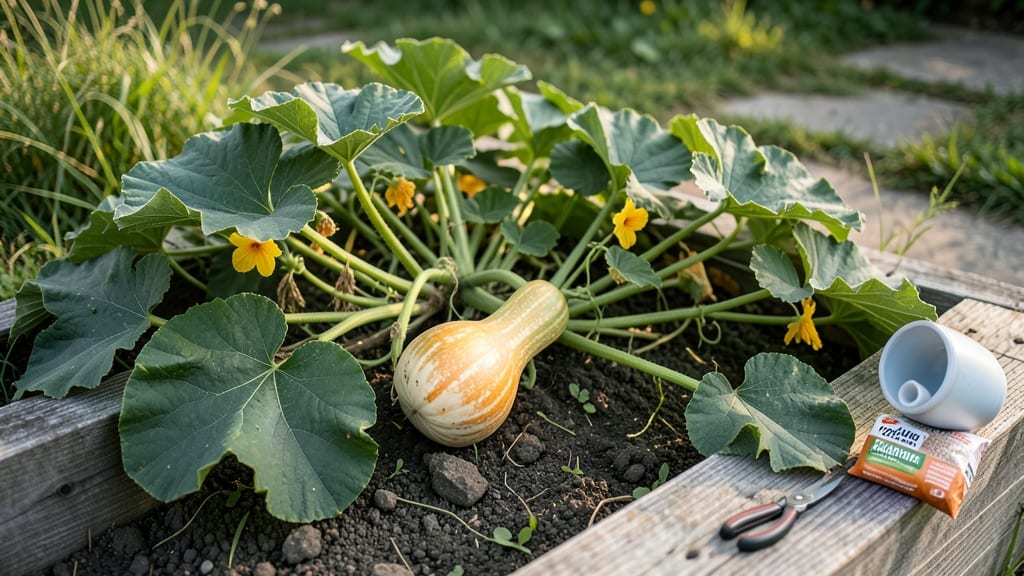
Growing orange-green squash 🎃 like butternut or acorn delivers sweet, nutrient-packed harvests that outshine store-bought produce.
Picture this: warm September mornings with heavy squash in hand, their vibrant rinds signaling perfect ripeness. The secret isn't luck—it's timing, soil prep, and a few simple care tricks that even beginners master in their first season.
From planting after your last frost (around April 15 in Zone 6a) to harvesting when the stem shrinks and the rind hardens, this guide covers every step to maximize your yield without the guesswork.
You'll learn which varieties thrive in your space, how to keep pests at bay, and exactly when to harvest for that ideal balance of sweetness and texture—so you can enjoy homegrown squash from September through November.
Orange green squash varieties: best types for your garden
If you're dreaming of a garden bursting with vibrant orange-green squash, you're in luck! These varieties aren't just visually stunning—they're packed with nutritional benefits and adaptable to various growing conditions. From compact patio-friendly options to vigorous vining types, there's a perfect match for every garden space and climate.
I've grown several varieties over the years, and the key to success lies in choosing the right type for your garden layout and local growing zone.
Whether you have limited space or a sprawling backyard, these orange-green squash varieties will deliver consistent yields and delicious harvests that rival store-bought produce.
Let's start with the Golden Zucchini, my go-to for small-space gardens. This variety thrives in containers and produces bright orange-green fruits that are perfect for sautéing or grilling.
With a 45-55 day harvest time, it's one of the fastest producers on this list, making it ideal for impatient gardeners like me.
The Patio Star variety is another fantastic choice for urban gardeners with limited space. Its compact growth habit makes it perfect for balconies and patio gardens, while still delivering a mild, tender flavor that's great for fresh eating. I've successfully grown this variety in 5-gallon containers with excellent results.
For those who love early harvests, the Sunburst variety is a game-changer. Its sweet, crisp texture makes it perfect for salads and raw snacks. What I love most about this variety is its prolific production—once established, it keeps giving throughout the growing season.
If you have more garden space to work with, consider planting Butternut Squash. This variety develops those iconic orange-green fruits with a rich, sweet flavor that's perfect for roasting or pureeing.
The trade-off is its longer growing season—typically 80-100 days to harvest—but the payoff is worth it for serious squash lovers.
Don't overlook Acorn Squash if you enjoy nutty, dense flavors
Step-by-step guide to planting and caring for orange green squash
Growing orange-green squash like butternut or zucchini varieties is rewarding, especially when you follow the right steps. These plants thrive with proper soil preparation, sunlight exposure, and consistent care.
Whether you're a beginner or seasoned gardener, this guide ensures your squash plants grow strong and produce bountiful harvests.
Start by choosing the right variety—like Sunburst or Golden Zucchini—that suits your climate and space. These types are perfect for home gardens and deliver sweet, flavorful fruits. With the right timing and techniques, you’ll enjoy a thriving squash patch in no time.
- Step 1
Test your soil’s pH (6.0-7.0) and amend with compost or aged manure for fertility. Orange-green squash loves well-draining soil rich in organic matter.
- Step 2
Sow seeds 1 inch deep, 2-3 feet apart, after the last frost date (typically April-May). For faster growth, transplant 3-4 week old seedlings into the garden.
- Step 3
Ensure your squash gets 6-8 hours of sunlight daily. Place plants in a south-facing location for optimal growth and fruit development.
- Step 4
Keep soil moist but not soggy by watering 1-2 inches per week. Water at the base of plants in the morning to prevent fungal diseases like powdery mildew.
- Step 5
Use a balanced fertilizer (10-10-10) every 4-6 weeks starting when flowers appear. Avoid over-fertilizing, which can reduce fruit quality.
- Step 6
Watch for squash bugs, aphids, or powdery mildew. Use neem oil or row covers to protect plants naturally.
Once your squash plants are established, focus on pruning excess vines to improve airflow and harvest regularly to encourage more production. Remove any yellowing leaves or damaged fruits promptly to keep plants healthy.
With these steps, your orange-green squash will thrive, yielding delicious fruits ready for your kitchen. Happy gardening! 🌱💧☀️