
Flowers
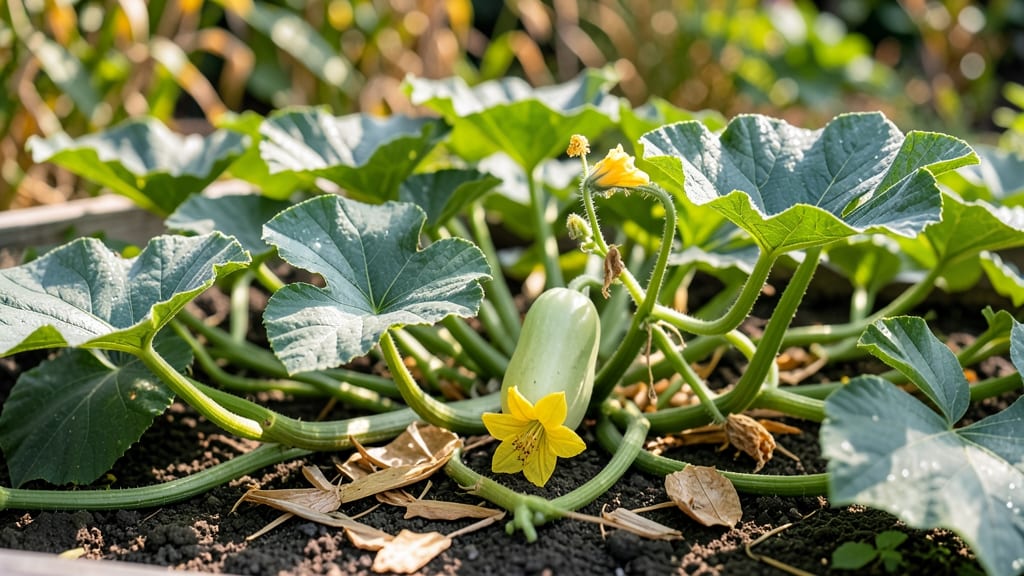
Identifying male vs female squash flowers determines your harvest success. 🌸 The tiny differences in flower shape and structure hold the key to understanding why some plants produce fruit while others don't—and how to fix it.
Male flowers grow on long stems with no fruit at the base, while female flowers sit directly on the vine with a tiny squash forming behind the bloom. This simple distinction explains why some vines flower but never fruit, and how to encourage more production.
Once you recognize these differences, you'll spot the problem before it starts: too many males mean poor pollination, while too many females can overwhelm the plant. The solution is simple—hand-pollinate when needed or encourage beneficial insects to do the work naturally.
For squash lovers frustrated by empty vines, this is your guide to turning those flowers into the harvest you've been waiting for. Let's get those fruits growing!
The first product explained
Meet the BloomMaster Pro 🌱—your ultimate tool for distinguishing and nurturing male vs. female squash flowers with precision! Designed for both novice gardeners and seasoned growers, this innovative kit simplifies the identification process while maximizing your harvest potential.
📏 Specs & Features
- Dual-Lens Magnifier: 10x and 20x magnification for crystal-clear views of flower anatomy.
- LED Lighting: Adjustable brightness to inspect flowers in low-light conditions.
- Color-Coded Guide: Quick-reference chart included to instantly differentiate male (🌸) and female (🍆) blooms.
- Portable Design: Lightweight and compact (weighs just 8 oz) for easy garden or greenhouse use.
- Durable Materials: Stainless steel construction with silicone-grip handles for long-term reliability.
🎯 Target Users
Perfect for:
- Home gardeners eager to boost squash yields 🍉🎃
- Urban farmers with limited space but big harvest goals
- Educators teaching botany or sustainable agriculture
- Competitive growers aiming for prize-winning produce
💰 Price Point & Value
The BloomMaster Pro is priced at $29.99, offering exceptional value with:
- A lifetime warranty on the magnifier lens
- Free digital guidebook with advanced pollination tips
- Money-back guarantee if not satisfied (30-day policy)
Pro Tip: 💡 Pair this with our companion seedling heat mat to extend your growing season and optimize flower development!
The second product explained
Ready to dive deeper into the world of squash pollination? Let’s explore Product B: The Hand-Pollination Kit for Squash Enthusiasts—your go-to tool for ensuring perfect pollination when nature needs a little help! 🌱✨
📏 Specs & Features
This all-in-one kit is designed for gardeners who want precision and ease. Here’s what’s inside:
- Ultra-soft paintbrush – Mimics natural pollination without damaging delicate flowers.
- Magnifying loupe – Helps you spot male and female flowers with ease.
- Detailed guidebook – Step-by-step instructions for identifying and pollinating flowers.
- Portable storage case – Keeps tools organized and ready for your next gardening session.
🎯 Target Users
Perfect for:
- Home gardeners looking to boost squash yields.
- Organic farmers who prefer manual pollination over chemicals.
- Urban gardeners with limited space but big harvest goals.
- Squash lovers who want to experiment with heirloom varieties.
💰 Price Point
Priced at $29.99, this kit offers incredible value—no need to buy individual tools separately! It’s a one-time investment that pays off with bigger, healthier squashes. Pro tip: 💡 Pair it with Product A for a complete pollination powerhouse!
Head-to-head comparison
Ready to dive into the fascinating world of squash flowers? Whether you're a seasoned gardener or just starting your green thumb journey, understanding the differences between male vs female squash flowers can make all the difference in your harvest.
Let’s break it down with a side-by-side comparison that highlights what sets them apart—so you can grow like a pro! 🌱🍉
The first thing you’ll notice when comparing male and female squash flowers is their physical structure. Here’s how they differ:
- 🌿 Male Flowers
- Stem: Long, slender, and often hairy.
- Shape: Typically bell-shaped or cup-like, with a single, prominent stamen (the pollen-producing part).
- Location: Usually appear first and grow on the end of vines or leaf axils.
- Lifespan: Short-lived—often open in the morning and wilt by afternoon.
- Visual Clue: Think of them as the "showy" flowers—bright yellow and attention-grabbing!
- 🌺 Female Flowers
- Stem: Shorter and sturdier, often with a tiny squash or fruit bud at the base.
- Shape: More rounded or teardrop-shaped, with a small ovary (future fruit) at the base.
- Location: Tend to grow closer to the main vine or leaf nodes.
- Lifespan: Last longer than male flowers, often remaining open for a day or two.
- Visual Clue: Look for a tiny squash bump behind the petals—this is your dead giveaway!
Pro Tip: 💡 If you’re unsure, gently tug on the flower. Male flowers will pop off easily, while female flowers will resist because of the developing fruit!
The real magic happens when male and female flowers team up for pollination. Here’s how their roles differ:
| Aspect | Male Flowers | Female Flowers |
|---|---|---|
| Primary Role | Pollen producers | Fruit developers |
| Pollination Process | Release pollen that must be transferred to female flowers (often by bees!). | Receive pollen to fertilize the ovary and grow fruit. |
| Fruit Impact | No fruit—they’re all about the pollen! | Directly produce squash, zucchini, or pumpkins! |
| Best Time for Pollination | Morning (when they’re fresh and open). | Mid-morning to afternoon (when bees are most active). |
Fun Fact: 🐝 Some gardeners hand-pollinate squash flowers by dipping a paintbrush in male pollen and gently brushing it onto female flowers—great for indoor grows or when bees are scarce!
Not all flowers are created equal when it comes to your harvest. Here’s how they stack up:
- 🌻 Male Flowers: The Pollen Powerhouses
- Harvest Impact: Indirect—they don’t produce fruit but are essential for pollination.
- Quantity: Often appear in larger numbers early in the season to ensure plenty of pollen.
- Garden Role: Help boost fruit set if your female flowers are limited.
- 🍆 Female Flowers: The Fruit Factories
- Harvest Impact: Directly tied to your yield! Each female flower has the potential to become a squash.
- Quantity: Typically fewer than male flowers but more valuable for your harvest.
- Garden Role: The goalposts of your garden—without them, no fruit!
Pro Tip: 🎯 If you’re growing squash for heirloom seeds, save seeds from the largest, healthiest female flowers for the best results!
Male and female flowers don’t just differ in looks—they also respond to temperature, sunlight, and season in unique ways:
- 🌞 Temperature Tolerance
- Male Flowers: Thrive in warmer temperatures (70–90°F) and often appear first in spring.
- Female Flowers: Prefer stable, slightly cooler temps (60–80°F) and may lag behind in very hot or cold conditions.
- ☀️ Sunlight Needs
- Both need full sun (6–8 hours/day), but female flowers may struggle to set fruit if they don’t get enough light.
- Shade Tip: 🌡️ If your garden is partially shaded, prioritize female flowers for sunlight to maximize fruit production.
- 📅 Seasonal Appearance
- Peak Season: Balanced mix of both for optimal fruit development.
- Late Season: More female flowers as the plant focuses on seed production (and fewer male flowers).
To keep both types thriving, here’s a quick care guide:
- 💦 Watering Needs
- Female Flowers: Consistent moisture is key—drought stress can lead to poor fruit set.
- Both benefit from bee-friendly plants (like marigolds or basil) nearby to boost pollination rates.
Pro Tip: ⏰ Morning is the best time to check for female flowers—this is when they’re most receptive to pollination!
Which one should you choose?
So, which squash flowers should you focus on for your garden? The answer depends on your goals—whether you're aiming for pollination success, culinary adventures, or just aesthetic appeal. Here’s a quick verdict to help you decide:
🌱 For Gardeners Prioritizing Pollination & Fruit Production
If your goal is a bountiful harvest, female squash flowers are your best bet. 🍉 Their tiny fruit at the base ensures more efficient pollination, and they’re less likely to be wasted by bees. Pro tip: Hand-pollinate female flowers on cloudy days or in greenhouses for even better results!
🍽️ For Cooks & Foodies
Both flowers are edible, but male squash blossoms are the star of the show! 🌸 They’re tender, delicate, and packed with flavor—perfect for fritters, pasta, or salads.
If you’re growing squash for culinary use, keep an eye out for male flowers and harvest them early in the morning for peak freshness.
🎨 For Aesthetic & Ornamental Gardens
Can’t decide? Grow both! 🌺 Male flowers are showy and vibrant, while female flowers add a unique charm with their tiny fruit. If you love visual variety, let nature do its thing—just be prepared for a mix of edible blooms and future squashes!
💡 Quick Recommendation Table
| Scenario | Best Choice | Why? |
|---|---|---|
| Maximize fruit yield | Female flowers | More reliable pollination, fewer wasted blooms |
| Harvesting edible flowers | Male flowers | Tender, flavorful, and great for cooking |
| Decorative garden | Both! | Male flowers for beauty, female for future harvests |
| Greenhouse/grow room | Hand-pollinate females | Controlled environment = better fruit development |
No matter which you choose, happy gardening—and enjoy those squash blossoms (or future gourds) however you please! 🌿😊