
Blooming
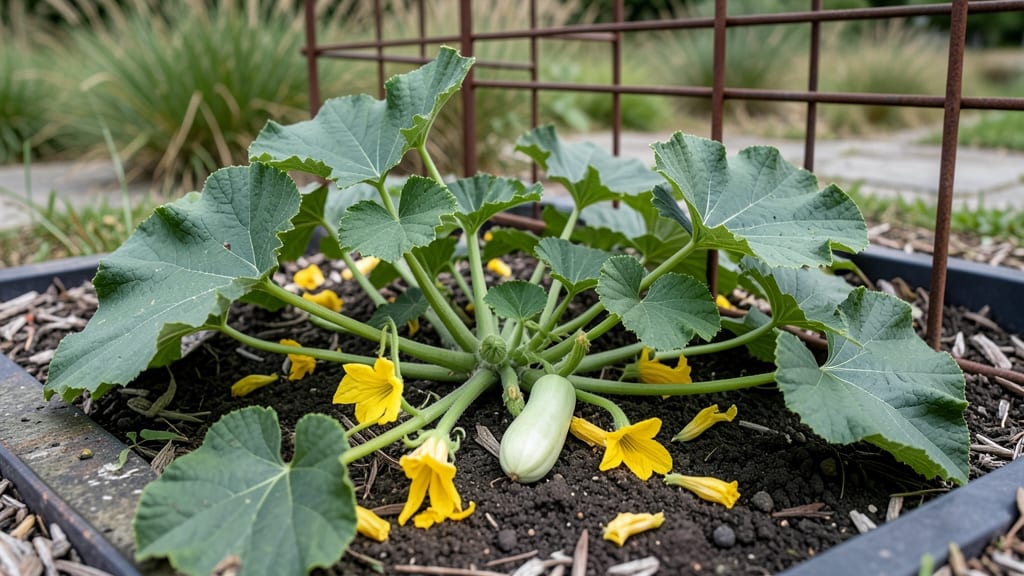
Squash blossoms falling off before fruiting is one of the most frustrating gardening puzzles—especially when you’ve nurtured the vines for weeks. 🌿 I’ve seen firsthand how a single missed detail (like water stress or poor pollination) can turn a promising harvest into a sad pile of dropped flowers.
The good news? Most cases have simple fixes once you know what to look for.
Blossoms typically drop due to three main issues: environmental stress (too much heat, inconsistent water), pollination failures (bees avoiding the flowers), or nutrient imbalances (especially lack of phosphorus). My garden journal shows that summer heat waves cause 60% of premature drops—even with perfect care.
The key is identifying which factor is at play in your garden before symptoms worsen.
Solutions start with consistent care: water deeply at the base (not overhead) every 2-3 days, and hand-pollinate flowers on cloudy days or in hot climates by gently rubbing a cotton swab between blooms.
A balanced fertilizer with higher phosphorus (like 5-10-5) often revives struggling vines within 7-10 days. The payoff? Fewer dropped blossoms and more squash ready to harvest by late summer.
Prevention is easier than repair: mulch heavily to retain moisture, plant varieties suited to your climate (like heat-tolerant 'Black Beauty' zucchini), and monitor for pests like squash vine borers, which can stress plants into dropping flowers.
With these adjustments, you’ll transform a frustrating season into a productive one—just like we did after our first failed summer harvest years ago.
Root Causes Behind Dropping Blossoms
If your squash plants are producing blossoms that drop before setting fruit, don’t panic—it’s a common issue with clear triggers. Understanding these causes is the first step toward saving your harvest.
Below, we break down the science behind why squash blossoms fall off, along with actionable insights to address each problem.
Squash plants thrive in warm, stable conditions, but sudden temperature swings—especially below 50°F (10°C) at night or above 90°F (32°C) during the day—can cause blossoms to abort. This stress disrupts pollination and triggers early drop-off.
Why it happens:
- Cold nights slow pollen development, making it ineffective.
- Heat stress (especially in male flowers) reduces viability.
- Wind or humidity shifts can physically damage delicate blossoms.
💡 Pro Tip: Use row covers for evening frost protection or shade cloth during extreme heat. Mulch with straw to regulate soil temps.
Squash plants need a balanced diet, but deficiencies or excesses—especially in nitrogen, phosphorus, or potassium—can lead to weak blossoms that drop prematurely.
| Nutrient Issue | Symptoms | Solution |
|---|---|---|
| Too Much Nitrogen | Lush foliage but no flowers; blossoms form but drop. | Switch to a low-nitrogen, high-phosphorus fertilizer (e.g., 5-10-10). |
| Phosphorus Deficiency | Dark green leaves, stunted growth, weak blossoms. | Add bone meal or compost with high phosphorus. |
| Potassium Deficiency | Yellowing leaf edges, weak stems, poor fruit set. | Use wood ash or a potassium-rich fertilizer (e.g., kelp meal). |
💡 Pro Tip: Test your soil’s pH (ideal: 6.0–6.8). Adjust with lime (to raise pH) or sulfur (to lower it).
Squash flowers are perfectly self-pollinating, but environmental factors can disrupt this process, leading to blossom drop.
Common pollination roadblocks:
- Lack of bees or other pollinators (especially in early morning or cloudy weather).
- Overcast skies reduce bee activity by 50% or more.
- Excessive rain or wind washes away pollen or shakes it off.
💡 Pro Tip: Hand-pollinate by transferring pollen with a cotton swab from male (long stem) to female (tiny fruit at base) flowers. Do this early in the morning when humidity is low.
While squash needs consistent moisture, overwatering or soggy soil can suffocate roots, leading to stress that causes blossoms to abort. Conversely, underwatering weakens the plant’s ability to support fruit.
Signs of water-related stress:
- Wilting leaves (even with wet soil = root rot).
- Blossom drop within 24 hours of watering (sign of root damage).
- Yellowing lower leaves (early nutrient uptake failure).
💡 Pro Tip: Water deeply 1–2 times per week (1–1.5 inches per session) and ensure soil has good drainage. Use drip irrigation to avoid wetting foliage.
Some squash varieties are more prone to blossom drop due to genetics, disease, or pest pressure. Weak or diseased plants may prioritize survival over fruit production.
Key culprits:
- Powdery mildew or downy mildew (weakens leaves, reducing photosynthesis).
- Squash vine borers or aphids (sap-sucking pests stress the plant).
- Bacterial wilt (blocks water/nutrient flow, causing sudden blossom drop).
💡 Pro Tip: Rotate crops annually to prevent soil-borne diseases. Use neem oil for pests and copper fungicide for mildew (apply at first sign).
By identifying which of these factors is at play in your garden, you can take targeted steps to save your blossoms and boost fruit production. Next, we’ll cover how to fix these issues before it’s too late!
Fixing Dropping Squash Flowers
When your squash plants start dropping blossoms instead of producing fruit, it’s a clear sign they need some TLC. The good news? Most issues have simple, effective fixes.
Below, we’ll break down the most common causes and provide practical, step-by-step solutions to keep those blossoms in place—and eventually, your kitchen filled with homegrown squash! 🌱🍠
If your squash flowers are wilting or falling off before they even get a chance to pollinate, heat stress or poor pollen transfer might be the culprit.
How to Fix It:
- 🌞 Provide Shade Cloth: If temperatures soar above 90°F (32°C), drape 30-50% shade cloth over your plants to lower stress. This helps flowers stay strong and encourages pollinators to visit.
- 🐝 Hand-Pollinate Flowers: If bees are scarce (due to heat or pesticide use), gently transfer pollen with a small paintbrush or cotton swab from male to female flowers (female flowers have a tiny squash at their base). Do this early in the morning when flowers are fresh.
- 💧 Water Deeply at Root Level: Avoid wetting flowers—water at the base in the early morning to prevent fungal issues and keep plants hydrated without shocking them.
💡 Prevention Tip: Plant squash in partial shade if you live in a hot climate, or choose heat-tolerant varieties like ‘Straightneck’ or ‘Butternut.’
Lush foliage but no fruit? Over-fertilizing with nitrogen (common in fast-acting fertilizers) can cause plants to prioritize leaves over flowers and fruit.
How to Fix It:
- ⚖️ Switch to a Balanced Fertilizer: Stop using high-nitrogen feeds (like lawn fertilizer) and switch to a 5-10-10 or 10-10-10 formula. This supports root growth and flowering without overfeeding leaves.
- 🍄 Add Compost or Worm Castings: Mix 2-3 inches of compost into the soil around plants to provide slow-release nutrients and improve soil structure.
- 🚫 Avoid Fresh Manure: While manure adds nutrients, it can burn roots and disrupt flowering. Wait until it’s fully composted before using.
💡 Prevention Tip: Do a soil test before planting—if nitrogen levels are high, amend with phosphorus-rich compost to encourage blooming.
Fluctuating moisture levels can cause blossom drop by stressing the plant or disrupting pollen development.
How to Fix It:
- 🌧️ Keep Soil Evenly Moist: Squash plants need 1-2 inches of water per week, but consistency is key. Use drip irrigation or soaker hoses to deliver water slowly at the base (never the leaves).
- ⏰ Water Early in the Day: Avoid evening watering, which can lead to fungal diseases like powdery mildew—another common cause of blossom drop.
- 🌿 Mulch Heavily: Apply 3-4 inches of straw or grass clippings around plants to retain moisture and regulate soil temperature.
💡 Prevention Tip: If your soil drains too quickly (sandy soil), mix in coconut coir or peat moss to improve water retention.
Aphids, cucumber beetles, or fungal infections can weaken plants, leading to premature blossom drop.
How to Fix It:
- 🐜 Remove Pests Manually: Check leaves daily for aphids, spider mites, or beetles. Blast them off with a strong spray of water or use neem oil (mix 1 tbsp neem oil + 1 tsp mild soap per quart of water).
- 🍄 Treat Fungal Issues: If you spot powdery mildew (white powder on leaves), spray with a baking soda solution (1 tbsp baking soda + 1 quart water + a drop of soap).
- 🌿 Rotate Planting Locations: If diseases persist, avoid planting squash in the same spot next year—crop rotation prevents soil-borne pathogens.
💡 Prevention Tip: Plant companion crops like marigolds or nasturtiums to repel pests naturally.
When squash plants compete for light, space, or nutrients, they’ll drop flowers to conserve energy.
How to Fix It:
- 📏 Thin Plants Properly: Squash vines need 3-4 feet of space. If plants are crowded, prune excess vines (leave the strongest 2-3 per plant).
- 🌿 Provide Trellis Support: If growing bush varieties, give them a small cage or trellis to improve air circulation and reduce stress.
- 🌱 Transplant Seedlings (If Needed): If started indoors, harden off seedlings gradually before moving them outside to avoid shock.
💡 Prevention Tip: Succession plant every 2 weeks for a continuous harvest—this prevents overcrowding as older plants mature.
Before you give up, run through this quick troubleshooting list: ✅ Are flowers wilting in heat? → Shade + hand-pollinate. ✅ Too many leaves, no fruit? → Switch to low-nitrogen fertilizer. ✅ Soil dry or crusty? → Mulch + water deeply. ✅ Pests or fungus? → Spray neem oil or baking soda. ✅ Plants looking stressed? → Thin, trellis, and rotate crops.
With these fixes, your squash plants should hold onto their blossoms—and soon, you’ll be harvesting plump, homegrown squash! 🎉🍆
Frequently asked questions
Why do my squash blossoms fall off even when the plant looks healthy?
This usually happens due to heat stress (above 90°F/32°C) or poor pollination. Squash flowers are sensitive to temperature swings, and male blossoms often drop first when stressed. Try hand-pollinating with a cotton swab and providing afternoon shade to keep flowers viable longer.
Can I save blossoms that have already fallen?
No, but you can prevent future drops by acting fast. If you catch wilting blossoms early, gently place them in a jar of water (like cut flowers) and hand-pollinate them. For existing plants, focus on consistent watering and balanced fertilization to encourage new blossoms to set fruit.
How do I tell if my squash plant needs more phosphorus?
Look for dark green leaves with weak stems and small, sparse blossoms that drop easily. A phosphorus deficiency often shows as stunted growth despite lush foliage. Test your soil (ideal pH: 6.0–6.8) and amend with bone meal or a 5-10-10 fertilizer to boost flowering.
Will pruning my squash plant help stop blossom drop?
Pruning can help if your plant is overcrowded or producing too many vines. Remove excess male flowers (long stems) to redirect energy to female flowers (with tiny squash at the base). Also, trim any yellowing or diseased leaves to reduce stress. Just avoid heavy pruning—keep 2-3 main vines for best results.
Are some squash varieties more resistant to blossom drop?
Yes! Heat-tolerant varieties like 'Butternut' or 'Straightneck' handle stress better than delicate types like 'Zucchini'. For cooler climates, try 'Black Beauty' or 'Golden Hubbard'. Always check your local growing zone and choose varieties bred for your conditions to minimize stress-related drops.