
Plants
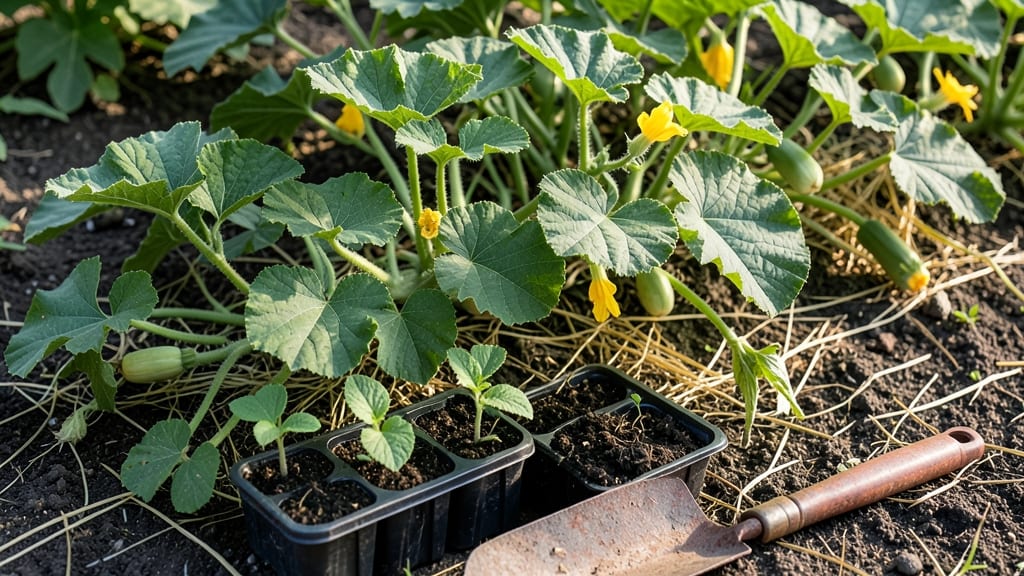
Planting squash in Louisiana means timing it right to beat the heat and avoid frost—aim for after the last frost, typically between February and April for spring varieties or July to August for fall harvests.
Louisiana’s long, humid summers and unpredictable spring weather make timing critical for squash success—plant too early and risk frost damage, too late and face wilting vines.
This guide breaks down the exact windows for heat-tolerant varieties, soil prep tips, and regional adjustments to maximize your harvest before the state’s brutal heat sets in.
You’ll also discover the best varieties for Louisiana’s climate, common mistakes to avoid, and how to prepare your soil for optimal growth—so you can enjoy fresh 🎃 all season long.
Optimal planting windows for squash in Louisiana’s climate zones
Louisiana’s climate—with its hot, humid summers and unpredictable spring frosts—demands precise timing for squash planting. The state’s USDA Zones 8a-9b mean you can grow squash year-round, but two distinct planting windows maximize success: spring and late summer.
Northern Louisiana (e.g., Shreveport) has cooler microclimates with later frost dates, while southern regions (e.g., New Orleans) enjoy earlier, longer growing seasons. Understanding these differences ensures your squash thrives before summer’s peak heat arrives.
For spring planting, aim for after your last frost date, typically mid-March to early April in southern Louisiana and late March to early May in the north.
Soil temperature is critical—squash seeds won’t germinate below 60°F, so use black plastic mulch to warm the soil faster. Transplants can go in 2-3 weeks earlier than direct-sown seeds, giving them a head start.
Meanwhile, fall planting for late-season harvests should occur mid-July to early August, allowing squash to mature before first frost in November.
Soil temperature is your best guide: use a soil thermometer to confirm 60°F+ before planting. In northern Louisiana, where frosts linger longer, wait until May 1 for direct sowing to avoid late-spring frosts that can kill young plants. Southern growers, however, can start as early as February 15 under row covers or in greenhouses. Always check your local frost-free date—a 10-day buffer after the average last frost ensures safety.
Here’s a quick breakdown of Louisiana’s microclimate differences for squash planting:
| Region | Spring Planting Window | Fall Planting Window | Soil Temp Requirement | Notes |
|---|---|---|---|---|
| Northern LA (Shreveport, Monroe) | Late March–Early May | Mid-July–Early August | 60°F+ (use mulch) | Later frosts; wait until May 1 for direct sowing. |
| Central LA (Baton Rouge, Lafayette) | Mid-March–Early April | Late July–Early August | 60°F+ (soil warms faster) | Balanced climate; ideal for both seasons. |
| Southern LA (New Orleans, Houma) | February 15–March 15 | Early July–Late July | 60°F+ (earlier soil warming) | Longer growing season; start early with row covers. |
Direct sowing is the most reliable method for squash in Louisiana, as transplants often struggle with transplant shock in the heat.
Plant seeds 1 inch deep and 2–3 feet apart in hills (groups of 3–5 seeds) for better vine spread. Summer squash varieties like ‘Yellow Crookneck’ mature quickly (50–55 days), so plant them first in spring to beat the heat. Winter squash (e.g., ‘Butternut’) take 80–100 days, so save them for late summer planting to avoid overheating before harvest.
If you’re transplanting, start seeds indoors 3–4 weeks before your target outdoor date. Use biodegradable pots to avoid root disturbance, and harden off seedlings for 5–7 days before moving them outside. Morning hours are best for transplanting to reduce midday heat stress.
In northern Louisiana, consider row covers for early transplants to protect from late frosts.
Adjust your planting timeline based on variety maturity. Early varieties (e.g., ‘Straightneck’) can handle late spring plantings up to May 15, while heat-tolerant types (e.g., ‘Cocozelle’) thrive when planted as late as June 1 for fall harvests.
Always space seeds properly—crowded squash vines lead to poor air circulation, increasing disease risk in Louisiana’s humidity.
For fall squash, prioritize disease-resistant varieties like ‘Waltham Butternut’ to combat powdery mildew, common in Louisiana’s late-summer heat.
Plant 8–10 weeks before first frost (typically early September) to ensure maturity. Succession planting every 2 weeks in July extends your harvest into October or November, depending on your region.
Pro tip: Monitor weather forecasts for unexpected cold snaps in spring or early hurricanes in fall. If a 32°F frost warning appears after planting, cover plants with frost cloth or move containers to a
Best heat-tolerant squash varieties for Louisiana gardens
Louisiana’s 90°F+ summers and high humidity can wilt many squash varieties, but these heat-resistant champions thrive in our climate. I’ve grown Cocozelle, Butternut, and Straightneck varieties for years—here’s what works best for summer vs. fall harvests, plus their disease resistance secrets.
For summer harvests, prioritize quick-maturing varieties like Yellow Crookneck (50 days) or Early Prolific Straightneck (45 days). These handle late spring heat while avoiding powdery mildew, a common Louisiana issue.
For fall production, Butternut (85 days) and Cocozelle (60 days) shine—their thick skins resist cracking in humid conditions.
Disease resistance is non-negotiable in Louisiana. Look for varieties labeled "powdery mildew-resistant" or "downy mildew-tolerant". My Cocozelle plants stayed healthy all summer thanks to their waxy leaf coating, while Butternut varieties like 'Waltham' Butternut' boast strong vine structure to support heavy fruits in high winds.
🌱 Summer vs. Fall Squash Planting
| Summer Planting (Spring) | Fall Planting (Late Summer) |
|---|---|
| ✅ Best Varieties: Yellow Crookneck, Early Prolific | ✅ Best Varieties: Cocozelle, Waltham Butternut |
| ✅ Planting Time: March 15–April 15 (after frost) | ✅ Planting Time: July 1–August 15 |
| ⚠️ Risk: Powdery mildew if too humid | ⚠️ Risk: Heat stress if planted too late |
| 💡 Pro Tip: Use black plastic mulch to warm soil | 💡 Pro Tip: Choose shade-tolerant varieties |
If you’re aiming for a continuous harvest, plant half your squash in spring (March–April) and half in late summer (July–August). I’ve had success with Zucchini 'Eight Ball' (45 days) for early harvests and 'Delicata' squash (80 days) for fall—its edible skin makes it a crowd-pleaser.
For disease-prone areas, Butternut varieties like 'Gold Rush' are my top pick. Their upright growth habit improves air circulation, reducing fungal spores. Pair them with companion plants like marigolds to deter pests naturally. Always rotate crops yearly to prevent soil-borne diseases like cucumber mosaic virus.
Remember: Harvest timing is key. Summer squash (like zucchini) should be picked every 2–3 days to encourage more production, while winter squash (like Butternut) can wait until fully mature. Use a sharp knife and leave a 1-inch stem to prevent rot.