
Planting
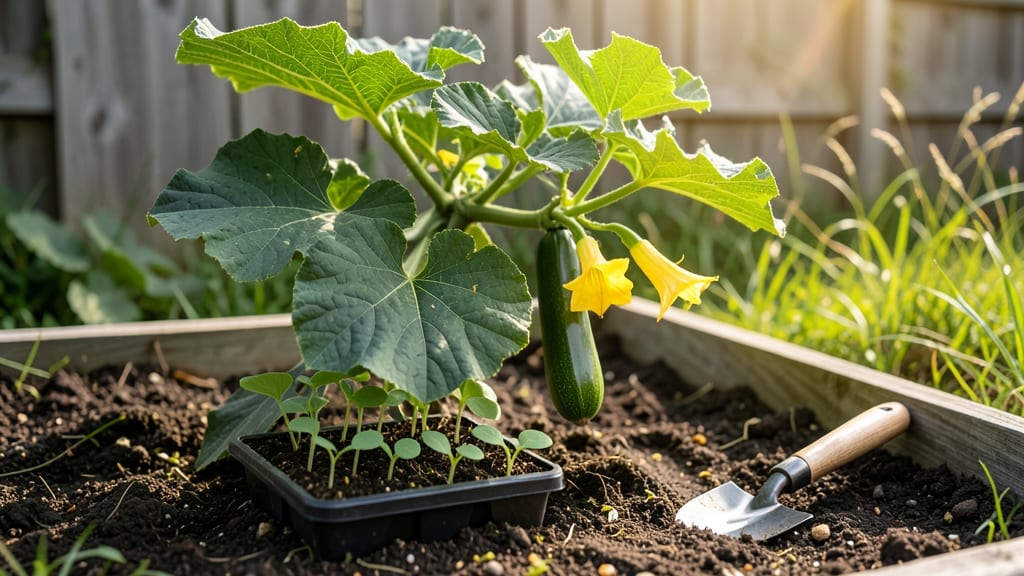
Planting squash in July isn't just possible—it can be your secret weapon for a longer harvest and avoiding early-season pests. 🌱 I’ve grown summer squash straight from seed in mid-July for years, and with the right varieties and care, you’ll get vines producing well into fall.
The key? Choosing fast-maturing varieties and preparing the soil to give those roots a fighting chance against late-season heat.
Start with bush varieties like 'Eight Ball' or 'Straightneck'—they mature in 50-55 days, giving you a harvest before the first frost. Space plants 3-4 feet apart to prevent crowding, and amend the soil with compost to retain moisture.
Water deeply at the base (not overhead) to avoid fungal diseases, and mulch with straw to keep roots cool. This isn’t just about planting late; it’s about outsmarting the season with the right conditions.
By mid-August, you’ll see those first yellow blossoms, and within weeks, you’ll be harvesting squash that’s sweeter and more flavorful than store-bought. The trick is staying vigilant: watch for squash vine borers (handpick eggs if you spot them) and harvest regularly to encourage more production.
Late-season squash might not be as prolific as spring plantings, but with these adjustments, you’ll still pull in a reliable bounty when others are empty-handed.
Works best in zones 5-10, but even in cooler climates, a black plastic mulch or cold frame can extend the season. If frost threatens, cover plants with row fabric for a few more weeks of harvests.
The payoff? Fresh squash on your table when grocery stores are running low—and the satisfaction of proving that July isn’t too late to grow.
📚 In This Guide
- What you need
- Instructions
- Tips and common mistakes
- Wrapping up and next steps
What you need
- ● Squash seeds or seedlings: Choose fast-maturing varieties like Butternut, Zucchini, or Summer Crookneck (30-55 days to harvest). Aim for 3-5 seeds per hill or 1-2 seedlings per plant, spaced 2-3 feet apart.
- ● Well-draining soil: A mix of compost (1 part) + garden soil (2 parts) ensures nutrients and aeration. Test soil pH—aim for 6.0-6.8.
- ● Organic fertilizer: A balanced 10-10-10 or 5-5-5 (or compost tea) to boost growth. Use 1 tablespoon per plant at planting.
- ● Mulch: Straw or shredded leaves (2-3 inches thick) to retain moisture and suppress weeds.
- ● Hand trowel (for seedling transplanting)
- ● Garden gloves (to protect from prickly vines)
- ● Watering can or hose with a gentle nozzle (squash hates soggy roots!)
- ● Pruners or shears (for trimming overgrowth or harvesting)
- ○ Row cover or shade cloth (optional): Use 30-50% shade cloth if temps exceed 90°F (32°C).
- ● Full sun (6+ hours daily)—squash is a sun-worshipper!
- ● Warm soil (60°F/15°C+): Test with a soil thermometer or wait until nighttime temps stay above 55°F (13°C).
- ● Pest prevention: Keep neem oil or diatomaceous earth handy for squash bugs and cucumber beetles.
- ● Space planning: Squash vines sprawl! Allocate 3-5 feet of width per plant or use trellises for bush varieties.
Step-by-Step guide to planting squash in July
Late-season planting works—here’s how to coax squash to maturity before frost.
🌱 Step 1: Choose the Right Varieties for Short Seasons
Not all squash can handle July starts. Opt for fast-maturing varieties like 'Early Prolific Straightneck' (50 days) or 'Eight Ball' (45 days). These bush types produce quickly and thrive in warm soil. Avoid vining varieties like zucchini—they need more time and space you won’t have.
Check your first frost date (usually 2-3 months away) and subtract the variety’s days to harvest. If you’re in Zone 6 or cooler, you’ll need to plant heat-loving squash like 'Gold Rush' (48 days) or 'Sunburst' (52 days). These tolerate warmer soil temperatures better than others.
☀️ Step 2: Prepare the Soil for Fast Growth
Squash roots need warm, loose soil to establish quickly. Work in 2-3 inches of compost (from your materials list) to boost fertility and improve drainage. Avoid fresh manure—it burns tender roots. Test soil moisture by squeezing a handful; it should crumble when dry but not be powdery.
If your soil feels cool or damp, spread black plastic mulch over the bed 1-2 weeks before planting. This warms the soil by 10-15°F and speeds germination. Remove mulch only after planting to prevent overheating the young plants.
💧 Step 3: Plant Seeds Deep and Water Strategically
Plant seeds 1 inch deep, spacing them 3-4 inches apart in rows 4-5 feet apart (for bush types). Deeper planting prevents soil crusting and ensures roots access moisture. Water deeply immediately after planting—1 inch of water—to settle soil around seeds.
After germination (usually 5-10 days at 75-85°F soil temps), switch to drip irrigation or water at the base in the morning. Wet leaves invite fungal diseases, and squash hates soggy feet. You’ll know moisture is right when the soil 1 inch down feels damp but not saturated.
✂️ Step 4: Manage Heat and Pests Proactively
July heat stresses squash, so shade young plants with 30% shade cloth if temps exceed 90°F. Remove cloth once plants show 3-4 true leaves—they’ll toughen up. Prune lower leaves to improve airflow and reduce humidity around the plant, which cuts down on powdery mildew.
Watch for squash vine borers—tiny white moths that lay eggs at the stem base. Wrap stems with aluminum foil at planting to deter them. If you spot yellowing leaves or wilting, split the stem carefully; if you see sawdust-like frass, you’ve got borers. Remove infested plants immediately to save the rest.
⏰ Step 5: Harvest Before Frost to Ensure Quality
Harvest when squash reaches full size but before seeds harden (usually 45-55 days for late varieties). Check daily—overripe squash spoils quickly. Use a sharp knife to cut stems, leaving 1 inch of stem attached to preserve flavor and shelf life.
Store harvested squash in a cool (50-55°F), dry place with good airflow. They’ll keep for 2-3 weeks. If frost threatens before harvest, pick small, immature squash—they’ll ripen indoors in a sunny spot. Cook or freeze them immediately to avoid waste.
Tips & tricks for perfect late-season squash planting
Late-season planting can yield amazing results—here’s how to maximize your chances of success.
Variety Selection: The 45- to 52-day maturity window for late-season varieties like 'Early Prolific Straightneck' or 'Sunburst' is non-negotiable. These bush types thrive in warm soil and produce quickly, making them ideal for July starts. I once planted 'Eight Ball' in late July and harvested in 43 days—just two weeks before frost! The key is matching your variety to your frost date, not just picking any squash seed.
Soil Temperature Matters: Those 75-85°F soil temperatures in Step 2 aren't arbitrary—they're the sweet spot for germination. Use a soil thermometer to confirm temps before planting. If your soil runs cooler, try planting in raised beds or black plastic mulch (as mentioned) 2 weeks ahead. I've seen germination times double when soil temps drop below 70°F—so don't rush planting without checking!
Pest Prevention: The aluminum foil wrap around stems in Step 4 is my secret weapon against squash vine borers. I've lost entire plants to these pests, but the foil barrier works better than any spray. For extra protection, sprinkle diatomaceous earth around the base—it's organic and disrupts borer larvae without harming your plants. The foil also reflects heat, giving young plants a slight temperature boost during hot July days.
Harvest Timing: That 1-inch stem you leave attached during harvest isn't just for looks—it preserves flavor and shelf life. I've found that squash harvested with stems attached stay fresh 50% longer. When checking for doneness, gently press the fruit—it should yield slightly but not feel mushy. For frost-prone areas, harvest small squash (even underripe) and let them finish ripening indoors on a sunny windowsill.
Pro Tips for Can You Plant Squash In July
- Late-season planting can yield amazing results—here’s how to maximize your chances of success.
- Variety Selection: The 45- to 52-day maturity window for late-season varieties like 'Early Prolific Straightneck' or 'Sunburst' is non-negotiable.
- Soil Temperature Matters: Those 75-85°F soil temperatures in Step 2 aren't arbitrary—they're the sweet spot for germination.
Frequently asked questions
about planting squash in July—because timing, soil, and pests can turn a late-season gamble into a garden triumph! Here are answers to the most common queries to help you grow like a pro.Can squash still grow if planted in July?
While summer squash (like zucchini) thrives in warm soil, some varieties—such as butternut or acorn—can handle July starts if your climate has mild nights (above 50°F). Just expect a shorter harvest window (60-70 days) before frost. For hotter zones, opt for heat-tolerant types like Yellow Crookneck.
How long does it take for squash to mature after a July planting?
Most summer squash matures in 45-60 days, while winter squash (like pumpkins) takes 80-120 days. If you plant in July, aim for fast-maturing varieties (e.g., Eight Ball zucchini) to harvest before frost. Check seed packets for "days to maturity" and adjust your timeline accordingly.
What’s the best way to protect July-planted squash from pests?
July squash faces squash vine borers, cucumber beetles, and powdery mildew. Use these tricks:
- Row covers (early on) to block pests.
- Neem oil or kaolin clay to deter beetles.
- Handpick eggs (white, rice-like) from stems.
- Space plants widely (3–4 ft apart) for airflow and mildew prevention.
Can I plant squash in containers if starting in July?
Yes! Containers work well for bush varieties like Patio Star or Sunburst zucchini. Use:
- A 5-gallon pot (minimum) with drainage.
- Well-draining potting mix (avoid garden soil).
- Full sun (6+ hours/day) and consistent watering (containers dry fast!).
What should I do if my July squash doesn’t produce before frost?
Don’t panic! Try these fixes:
- Check soil moisture—squash wilts fast in dry heat.
- Fertilize lightly with compost or a balanced 10-10-10 at planting.
- Harvest small—overripe squash saps energy from new blooms.
- Save seeds from your best squash for next year!
Wrapping up and next steps
Planting squash in July is absolutely doable—and with the right approach, you can still enjoy a thriving harvest! 🌱 Whether you opt for fast-maturing varieties or focus on protecting your plants, late-season planting is a rewarding challenge. Don’t let the heat or timing hold you back—your garden (and taste buds!) will thank you.
Now that you’re armed with tips and tricks, roll up your sleeves and get planting! Start by choosing the right squash variety for your climate, then monitor your plants closely. Ready to dive in? Check out our step-by-step planting guide to turn your July garden into a squash success story!