
Picking
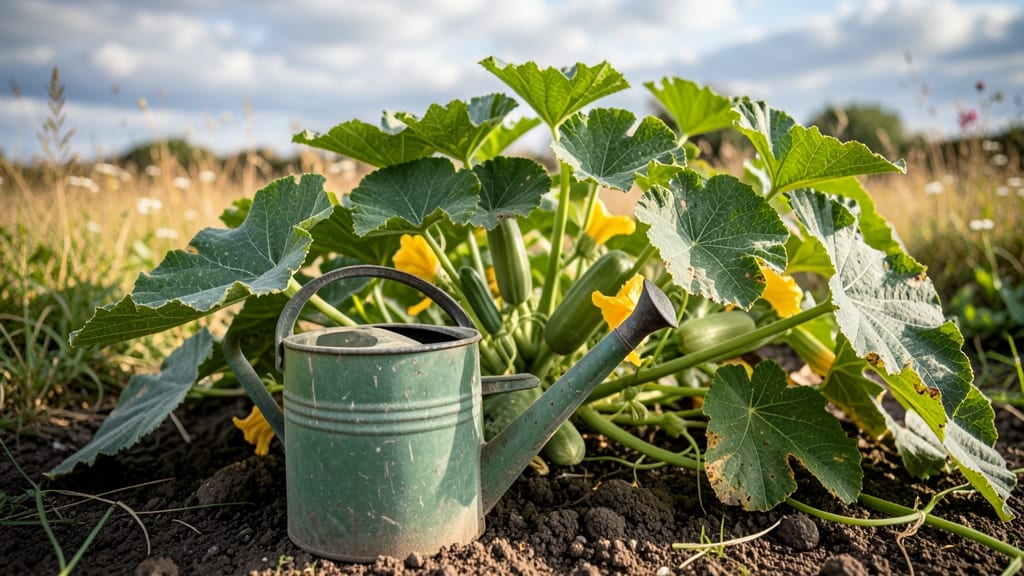
How do you fix summer squash when your vines look like they’ve thrown in the towel—but they’re not done yet? 🌿 Wilted leaves, yellowing foliage, or sudden fruit rot don’t mean the plant is beyond saving.
I’ve nursed back more summer squash than I’d like to admit, and the secret lies in quick action, the right fixes, and a little plant psychology.
Most summer squash problems boil down to three things: too much or too little water, nutrient deficiencies, or pests stealing the show. Yellowing leaves? Often a sign of overwatering or nitrogen hunger. Blossom end rot?
Calcium deficiency or inconsistent moisture. And those tiny black bugs? Squash bugs or cucumber beetles, and they’re worse than they look. The good news? Each has a targeted fix—some take minutes, others just a few days.
Within 24 hours, you can revive wilted vines by adjusting water, feeding with the right nutrients, and removing pests. By day three, you’ll see new growth pushing through, and by week two, you could be harvesting plump, healthy squash again.
The key is acting fast—summer squash are tough, but they won’t wait forever.
This isn’t just about saving a plant; it’s about turning a struggling patch into a productive one. Whether you’re dealing with wilting, rot, or bugs, the solutions are simpler than you think—and they work for zucchini, pattypan, and yellow crookneck varieties too.
Let’s get those vines back in the game.
Root Causes Of Wilted Vines
Understanding why your summer squash vines suddenly wilt is the first step to reviving them—and preventing future disasters. Summer squash (like zucchini, yellow squash, and pattypan) are resilient, but a few key factors can send their vines into a sad, droopy slump.
Let’s break down the science behind the most common culprits so you can diagnose the problem like a pro.
Summer squash thrive on consistent moisture, but their roots are shallow and sensitive. Here’s what happens when water levels go haywire:
- Underwatering (Most Common Culprit) - Why it happens: Summer squash plants have high transpiration rates—they lose water through their leaves quickly, especially in hot weather.
When soil moisture drops below 30-40%, the plant can’t absorb enough water to maintain turgor pressure in its cells. - The science: Cells in the vine rely on osmotic pressure (water moving into them) to stay rigid.
Without enough water, they plasmolyze (collapse), causing wilting. Roots also struggle to reach deeper moisture if the topsoil dries out too fast. - Red flag: Soil feels bone-dry 1-2 inches below the surface, or leaves curl edge-upward (a classic drought symptom).
- Overwatering (Root Rot Risk) - Why it happens: While underwatering is more obvious, excessive water can suffocate roots by displacing oxygen.
Summer squash prefer well-draining soil—if water pools around roots, Pythium or Fusarium fungi (common soil pathogens) take hold, rotting roots and cutting off water uptake. - The science: Roots need aerated soil to respire (breathe). Waterlogged conditions trigger anaerobic bacteria, which produce toxins harmful to roots.
Within 24-48 hours, roots may turn black or mushy. - Red flag: Soil stays soggy for days, or vines wilt even after watering (because roots can’t absorb water).
Summer squash are heat-loving but have limits. Sudden temperature swings or prolonged heatwaves can shock their systems.
- Heat Stress (Above 90°F/32°C) - Why it happens: High temperatures increase evaporation from leaves faster than roots can replace it.
Additionally, enzymes in the plant’s vascular system (like aquaporins, which regulate water flow) can denature (lose function) in extreme heat, disrupting water transport. - The science: The plant’s stomata (pores on leaves) close to conserve water, but this also stops photosynthesis.
Without energy, the plant can’t maintain cell structure, leading to wilting. - Red flag: Leaves yellow or scorch at the edges, or wilting occurs midday but recovers slightly at night.
- Cold Snaps (Below 50°F/10°C) - Why it happens: Summer squash are tender perennials—they cannot tolerate frost and struggle in cool nights.
Cold slows down root activity and enzyme function, so the plant can’t absorb or transport water efficiently. - The science: Cold temperatures thicken cell membranes, reducing their flexibility.
Water moves sluggishly through the xylem (plant’s water highways), causing hydraulic failure in vines. - Red flag: Wilting is worse in the morning after cold nights, or leaves develop dark, water-soaked spots.
Hidden invaders can silently drain your squash’s vitality before you notice.
- Squash Vine Borers (The Silent Killer) - Why it happens: The Melittia cucurbitae moth lays eggs near the stem. When larvae hatch, they bore into the vine, cutting off water and nutrient flow.
By the time you see sawdust-like frass (borer poop) oozing from stems, it’s often too late. - The science: The borer severs the plant’s vascular bundles (xylem and phloem), creating a physical blockage.
The plant can’t transport water from roots to leaves, leading to sudden wilting in just 24-48 hours. - Red flag: Chewing sounds in stems at dawn/dusk, or yellowing leaves that wilt only on one side of the plant.
- Powdery Mildew (Fungal Infection) - Why it happens: This obligate parasite (needs a living host) thrives in humid, warm conditions (75-85°F/24-29°C).
It clogs stomata with white, powdery spores, reducing the plant’s ability to photosynthesize and transpire. - The science: The fungus disrupts the cuticle (leaf wax layer), causing water loss.
Infected leaves wilting is often accompanied by a chalky residue. - Red flag: White dust on leaves, followed by yellowing and curling before wilting.
- Squash Bugs Or Aphids - Why it happens: These sap-sucking pests inject toxic saliva into leaves, which clogs plant tissues and spreads bacterial wilt (e.g., Erwinia tracheiphila).
The plant’s vascular system becomes blocked, mimicking dehydration. - The science: Aphids excrete honeydew, which fosters sooty mold, further reducing sunlight absorption.
Squash bugs pierce xylem vessels, causing wilting even when soil is moist. - Red flag: Black, sticky residue on leaves, or small, brown eggs on the underside of leaves.
Even "healthy" soil can become a problem if it’s missing key elements.
- Potassium (K) Deficiency - Why it happens: Potassium regulates stomatal movement and osmotic pressure in cells. Without enough K, the plant can’t retain water, leading to wilting—even with adequate moisture. - The science: K+ ions help balance water uptake in guard cells (which control stomata).
A deficiency causes stomata to stay open too long, increasing water loss. - Red flag: Yellowing leaf edges (but green veins), or wilting that starts in older leaves.
- Magnesium (Mg) Deficiency (Chlorosis) - Why it happens: Magnesium is central to chlorophyll—without it, leaves can’t photosynthesize efficiently. Weakened leaves wilting as they lose energy. - The science: Mg2+ ions stabilize ribulose-1,5-bisphosphate carboxylase/oxygenase (RuBisCO), the enzyme for CO₂ fixation.
Deficiency leads to reduced ATP production, weakening the plant’s ability to maintain turgor. - Red flag: Interveinal yellowing (veins stay green) before wilting.
- Compacted Or Poor-Draining Soil - Why it happens: Summer squash roots need oxygen to function. Compacted soil restricts root growth and traps water, leading to root asphyxiation. - The science: Roots rely on aerobic respiration to absorb nutrients.
Compacted soil reduces porosity, forcing roots to grow upward (where they’re exposed to drying air). - Red flag: Soil crusts when dry, or vines wilt after heavy rain (even if you watered).
💡 Pro Tip: Keep a plant journal! Note when wilting starts (morning/evening), weather conditions, and recent changes (watering, pests). Patterns will help you pinpoint the exact cause faster next time.
Quick Fixes for Wilted Summer Squash
Reviving your summer squash vines doesn’t have to be a guessing game—just a few targeted fixes can turn droopy plants into thriving producers. Below, we’ve mapped common issues to easy, actionable solutions, plus prevention tips to keep your garden lush all season long.
Signs: Yellowing leaves, mushy stems, or crispy, curled edges.
How to Fix It:
- For Overwatering (🌧️🚨):
- Stop watering immediately—let the soil dry out 2–3 inches deep before watering again.
- Improve drainage: Mix compost or perlite into heavy soil to aerate roots. If potted, repot into a container with drainage holes.
- Prune affected leaves (use clean scissors) to redirect energy to healthy growth.
- For Underwatering (🌵⚠️):
- Water deeply at the base (1–2 inches per week, depending on climate). Avoid wetting leaves to prevent disease.
- Mulch heavily (2–3 inches of straw or shredded leaves) to retain moisture and cool roots.
- Water in the morning to reduce evaporation and fungal risks.
💡 Pro Tip: Stick your finger in the soil—if the top inch is dry, it’s time to water. If it’s soggy, wait!
Signs: Wilting even when soil is moist, sunburned patches (white/yellow spots), or stunted growth.
How to Fix It:
- Provide afternoon shade with a lightweight shade cloth (30–50%) or dappled shade from nearby trees.
- Boost hydration: Water more frequently in extreme heat (early morning or late evening). Use drip irrigation to deliver water directly to roots.
- Reflect heat away: Place white gravel or reflective mulch around (not touching) plants to reduce soil temperature.
🌡️ Heatwave Hack: Mist leaves early in the day (avoid evening to prevent fungal growth) to create a temporary cooling effect.
Signs: Chewed leaves, holes, or sticky residue (aphid honeydew), wilting despite proper watering.
How to Fix It:
- Handpick pests: Check leaves daily for cucumber beetles, aphids, or squash bugs. Drop them into soapy water.
- Spray natural repellents:
- Neem oil solution (1 tbsp neem oil + 1 tsp mild soap + 1 quart water). Spray early morning or evening (avoid direct sun).
- Garlic or chili pepper spray (blend 2 garlic cloves + 1 tbsp cayenne + 1 quart water; strain and spray).
- Set traps: Place yellow sticky traps near plants to catch flying pests like whiteflies.
🎯 Prevention: Interplant with marigolds or nasturtiums—their strong scent repels pests naturally.
Signs: Pale yellow leaves (nitrogen deficiency), purple stems (phosphorus lack), or weak stems (potassium shortage).
How to Fix It:
- Test soil pH (ideal: 6.0–7.0 for squash). Adjust with lime (to raise pH) or sulfur (to lower pH) if needed.
- Apply balanced fertilizer: Use a 10-10-10 or 5-5-5 formula every 3–4 weeks during growing season.
- Boost organic matter: Work in compost or well-rotted manure at planting time for slow-release nutrients.
💪 Quick Fix: For immediate revival, mix 1 tbsp Epsom salt (magnesium) in a gallon of water and water the base of plants.
Signs: Blackened stems, soft rot, or wilting that spreads rapidly.
How to Fix It:
- Prune infected areas with sterilized pruners (wipe with rubbing alcohol between cuts).
- Apply copper fungicide (for bacterial/wilt diseases) or baking soda spray (1 tbsp baking soda + 1 quart water + few drops of soap) weekly as preventative.
- Replace soil if fungal disease is severe—don’t replant squash in the same spot for 2–3 years to prevent recurrence.
✨ Emergency Tip: If roots are exposed (e.g., from digging), bury them gently with fresh soil to protect against rot.
📅 Prevention Checklist for Next Season:
- Rotate crops—never plant squash in the same spot two years in a row.
- Start seeds indoors (4–6 weeks before last frost) for a head start.
- Monitor weather—cover young plants if frost is forecasted.
- Harvest regularly—overripe squash saps energy from the plant.
With these fixes, your summer squash should perk up within 24–48 hours (or less for hydration issues). Keep an eye on progress and adjust as needed—your garden’s revival is just a few steps away! 🌱💚
Frequently asked questions
Why do my summer squash leaves turn yellow and wilt so quickly?
Yellowing leaves usually signal overwatering or nutrient deficiency. Check soil moisture—if it stays soggy, roots may be suffocating. For nutrient issues, test soil pH (6.0-7.0 ideal) and add compost or a balanced fertilizer like 5-5-5. Yellow edges specifically often mean potassium deficiency—try a quick fix with 1 tbsp Epsom salt per gallon of water at the base.
Can I still save my squash plant if the stems are mushy or black?
Mushy or blackened stems indicate root rot from overwatering or fungal infection. Prune affected areas immediately with sterilized tools, then improve drainage by mixing compost or perlite into the soil. For fungal issues, apply copper fungicide or a baking soda spray weekly. If rot is severe, remove the plant entirely to prevent spread—don’t replant squash in the same spot for 2-3 years.
How often should I water summer squash to prevent wilting?
Water 1-2 inches per week, depending on climate, focusing on the soil base—not leaves—to avoid disease. Mulch with 2-3 inches of straw to retain moisture and cool roots. Water in the morning to reduce evaporation. In extreme heat (90°F+), increase frequency to every 2-3 days and use drip irrigation for deep, consistent hydration.
What’s the fastest way to revive wilting squash plants?
For immediate revival, combine deep watering at the base with afternoon shade (use shade cloth or nearby trees). Trim any severely damaged leaves to redirect energy. If wilting persists, check for pests—handpick squash bugs or aphids and spray with neem oil solution (1 tbsp neem + 1 tsp soap + 1 quart water). Most plants show improvement within 24-48 hours with these steps.
Are there any organic ways to protect squash from pests that cause wilting?
Yes! Plant marigolds or nasturtiums nearby—their strong scents repel pests naturally. For existing infestations, create a garlic or chili spray (blend 2 garlic cloves + 1 tbsp cayenne + 1 quart water) and spray leaves. Set yellow sticky traps to catch flying pests like whiteflies. Handpick cucumber beetles daily and drop them into soapy water for instant removal.