
Vegetables
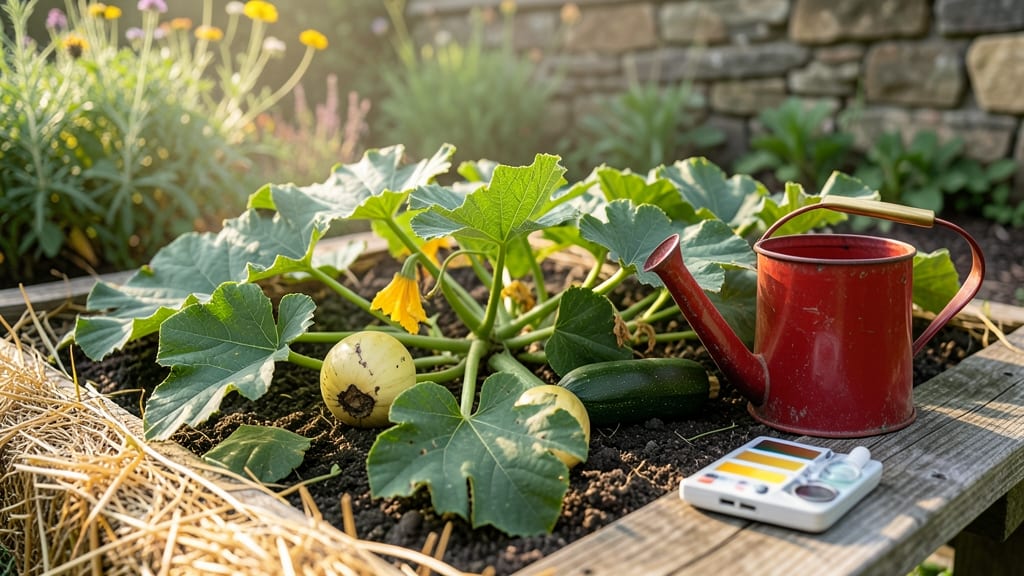
What causes blossom end rot on squash—and how to fix it—starts with a simple but sneaky imbalance your plants need you to catch. 🌱 The ugly dark spots at the blossom end aren't just bad luck; they're your plants screaming for calcium, water consistency, or relief from stress.
I've lost entire harvests to this before, but once you know the fixes, it's completely preventable.
Calcium deficiency is the #1 cause, but uneven watering and extreme temperatures make it worse. Your squash plants need steady moisture—never dry soil, never soggy—because calcium uptake stops when roots struggle.
Mulch helps keep soil even, and a side dressing of crushed eggshells or lime gives plants a quick calcium boost when they need it most.
Here's the good news: once you fix the watering and add calcium, new growth stays firm and healthy. I've seen plants recover within days of adjusting care.
The key is catching it early—remove affected fruits immediately so the plant focuses energy on new, healthy ones instead of wasting resources on damaged ones.
This works for zucchini, yellow squash, pumpkins, and even tomatoes—any fruit that develops blossom end rot. The same principles apply, so you'll never lose another harvest to this frustrating problem again. Let's get those plants producing like champions.
Why it happens
Blossom end rot isn’t just a random tragedy for your squash—it’s a cry for help from your plants, often rooted in a few key issues. Understanding these causes is the first step to saving your harvest.
Let’s break down the science behind the rot and why your squash might be sending up these distress signals.
Blossom end rot is primarily caused by a calcium deficiency, but not in the way you might think. Calcium is essential for cell wall structure, especially in rapidly growing fruits like squash.
However, the issue isn’t always a lack of calcium in the soil—it’s often about availability and uptake.
Squash plants absorb calcium through their roots, but when conditions are less than ideal, the calcium can’t reach the blossom end (the opposite end of the stem) fast enough. This is because calcium is immobile in plants, meaning it can’t be redistributed from older leaves to new growth.
If the blossom end isn’t getting enough calcium during its critical growth phase, the cells there weaken, leading to rot.
Why does this happen?
- Rapid growth: Squash fruits grow quickly, and if they outpace the plant’s ability to supply calcium, the blossom end suffers first.
- Water stress: Fluctuating moisture levels (too much or too little) disrupt calcium uptake. Even brief droughts can stall calcium movement.
- Poor soil conditions: Compacted, overly sandy, or acidic soils hinder root absorption. Calcium also competes with other nutrients like magnesium and potassium, which can block its uptake.
Pro tip: 💡 Calcium isn’t just about adding more to the soil—it’s about ensuring the plant can use what’s there. Aim for consistent moisture and balanced fertility to keep calcium flowing.
Extreme or inconsistent temperatures throw a wrench into your squash’s growth cycle. While squash thrive in warm weather, sudden shifts—like hot days followed by cold nights—can disrupt calcium metabolism and root function.
How does temperature cause rot?
- Cold soil: Roots struggle to absorb nutrients when soil temperatures drop below 55°F (13°C). Calcium uptake slows, leaving the blossom end vulnerable.
- Heat stress: While squash love warmth, excessive heat (above 90°F/32°C) can cause water loss and nutrient imbalances, further limiting calcium availability.
- Frost or chilling: Even a light frost can damage roots, cutting off the plant’s nutrient supply overnight.
Pro tip: 🌡️ Monitor soil and air temperatures. Use mulch to regulate soil warmth and avoid planting squash too early in cool climates. If possible, choose heat-tolerant varieties like Butternut or Zucchini for better resilience.
Water is the lifeblood of calcium uptake, but inconsistent watering is a leading cause of blossom end rot. Squash plants need steady moisture—not droughts followed by floods.
How water affects calcium:
- Drought stress: When soil dries out, calcium can’t move through the plant’s vascular system. The blossom end, being the farthest from the roots, is the first to show symptoms.
- Overwatering: While it seems counterintuitive, soggy soil can suffocate roots, reducing their ability to absorb calcium. It can also leach nutrients away, worsening deficiencies.
- Uneven watering: Skipping watering days or letting the soil dry between sessions creates stress. Calcium uptake is disrupted, and the plant prioritizes survival over fruit development.
Pro tip: 💧 Aim for 1–1.5 inches of water per week, delivered consistently. Use drip irrigation or soaker hoses to keep moisture levels stable. Mulch around plants to retain soil moisture and reduce temperature swings.
Calcium doesn’t work alone—it competes with other nutrients for absorption. If your soil is out of balance, calcium might get crowded out, leaving your squash defenseless.
Common nutrient conflicts:
- Excess potassium or magnesium: These nutrients can block calcium uptake, even if calcium is present in the soil. A soil test can reveal these imbalances.
- High salt levels: Fertilizers or poor-quality water can increase soil salinity, making it harder for roots to absorb calcium.
- Low organic matter: Healthy soil teems with microbes that help break down nutrients. If your soil lacks compost or organic amendments, calcium becomes less available.
Pro tip: ✨ Test your soil every 2–3 years and amend it with gypsum (calcium sulfate) or lime if calcium levels are low. Avoid over-fertilizing—stick to balanced, organic options like compost or worm castings.
If you start squash indoors or buy young plants, they may experience transplant shock, which disrupts their root systems and calcium uptake. Even well-established plants can suffer if moved or disturbed.
Why does this happen?
- Root damage: Disturbing roots during transplanting can slow nutrient absorption, including calcium.
- Adjustment period: Plants need time to establish new root networks. During this time, they’re more susceptible to stress and nutrient deficiencies.
- Environmental changes: Moving from a controlled indoor environment to outdoor conditions (or vice versa) can shock the plant’s system.
Pro tip: 🌱 Harden off seedlings gradually before transplanting, and avoid disturbing the root ball. If possible, direct-sow squash seeds outdoors to skip the transplanting process entirely.
Revive Your Squash Fix These Quick Solutions
Blossom end rot may look like a death sentence for your squash, but don’t toss those plants just yet! With the right fixes and a little preventive care, you can save your harvest and keep your garden thriving.
Below are targeted solutions for each root cause—plus tips to stop it from happening again.
If your squash is suffering from a calcium deficiency, the first step is to increase calcium availability in the soil. Here’s how:
🔥 Emergency Calcium Rescue (For Existing Plants)
- Crush eggshells into a fine powder (bake and grind for easier breakdown) and sprinkle around the base of the plant.
Water lightly to help absorption. - Use calcium-rich amendments like: - Crushed oyster shell (slow-release, great for long-term health) - Gypsum (calcium sulfate) – mix 1–2 tablespoons per plant into the soil and water well. - Lime (calcium carbonate) – Use sparingly! Test soil pH first (aim for 6.0–6.8).
Too much lime can raise pH and lock out other nutrients. - Apply a liquid calcium boost like calcium nitrate (follow package rates) or kelp meal tea (steep 1 cup kelp in 5 gallons water, spray foliarly).
✨ Pro Tip: Water deeply after applying amendments—calcium needs moisture to reach the roots!
Inconsistent watering is a top trigger for blossom end rot. Squash plants need even moisture—never dry spells followed by heavy soaking.
👨🍳 Water Like a Pro
- Drip irrigation or soaker hoses are ideal—they deliver water slowly and directly to the roots, reducing stress.
- Water in the morning (6–8 AM) to allow foliage to dry, preventing fungal issues.
- Mulch heavily (2–3 inches of straw or wood chips) to lock in moisture and keep roots cool.
- Avoid overhead sprinklers—wet leaves can spread disease and lead to uneven water absorption.
💡 Quick Fix: If your soil is bone-dry, water deeply 2–3 times over 24 hours to rehydrate without shocking the plant.
Hot, dry conditions stress plants, making calcium uptake harder. If your garden is too hot, take these steps:
🌿 Beat the Heat for Squash
- Shade cloth (30–50%) over young plants or during peak afternoon sun (12–4 PM).
- Plant in partial shade if possible—morning sun + afternoon shade works well in hot climates.
- Raise beds or use containers to improve drainage and reduce soil temperature.
- Avoid fertilizing during heatwaves—nitrogen-heavy feeds can burn roots and worsen stress.
⚠️ Warning: If soil temps exceed 90°F (32°C), squash may stop absorbing calcium entirely. Monitor with a soil thermometer!
Poor soil structure or compacted roots can block calcium from reaching the fruit. Loosen things up:
🔪 Loosen Soil & Feed Smartly
- Aerate the soil gently with a fork or broadfork (avoid damaging roots).
- Add organic matter like compost or well-rotted manure to improve calcium availability and drainage.
- Avoid high-nitrogen fertilizers (like blood meal) during fruiting—they divert energy from roots to leaves, worsening rot risk.
- Use a balanced fertilizer (like 5-5-5) only when plants are young (before flowering).
🎯 Prevention Hack: Side-dress with compost every 3–4 weeks to maintain steady nutrient flow.
Once you’ve saved your current crop, keep blossom end rot away with these proactive steps:
| Problem | Prevention Fix | When to Do It |
|---|---|---|
| Calcium deficiency | Mix crushed eggshells or gypsum into soil at planting. | Before transplanting. |
| Inconsistent watering | Install drip irrigation or water deeply 2–3x/week. | At planting + ongoing. |
| Heat stress | Use shade cloth or plant in partial shade. | Early season setup. |
| Poor soil drainage | Amend with compost + perlite for loose, airy soil. | Before planting. |
| Over-fertilizing | Stick to low-nitrogen, balanced feeds (e.g., 10-10-10). | Early growth stage only. |
If your squash already has rotten blossom ends, cut them off before they spread.
The rest of the fruit can still ripen and be used in: - Soups & stews (trimmed ends don’t affect flavor!) - Roasted squash (peel and cube healthy sections) - Pickling (use only firm, unblemished pieces)
Bottom Line: Blossom end rot is fixable—but the best cure is prevention. Adjust your watering, soil, and growing conditions, and your next squash harvest will be rot-free and bountiful! 🎉
Frequently asked questions
Can I still use squash with blossom end rot?
Yes! Simply cut off the rotten end before it spreads. The rest of the squash is perfectly safe to use in soups, roasting, or pickling. Just avoid slicing through any dark, mushy areas. For recipes, focus on the firm, healthy sections—no need to waste the whole fruit!
How quickly can I expect to see results after fixing calcium deficiency?
With proper calcium amendments and consistent watering, you may see new growth free of rot within 3-7 days. Existing fruits won't recover, but new blossoms and developing squash will benefit immediately. Monitor soil moisture closely during this period for best results.
Will compost alone prevent blossom end rot?
Compost helps, but it may not provide enough quick-release calcium for fast-growing squash. For prevention, combine compost with crushed eggshells or gypsum at planting. Test your soil every 2-3 years to check calcium levels—compost alone won't always be sufficient for heavy producers.
Can I use coffee grounds to fix blossom end rot?
No, coffee grounds actually worsen the problem. They're acidic and can lock out calcium while increasing soil acidity. Stick to neutral amendments like gypsum or lime instead. For best results, maintain soil pH between 6.0-6.8 to maximize calcium availability.
Why does my squash get rot even with regular watering?
Uneven watering is the culprit—even if you water regularly, fluctuations in soil moisture disrupt calcium uptake. Check your watering consistency and consider drip irrigation for steady moisture delivery. Also verify soil temperature isn't exceeding 90°F (32°C)