
Diseases
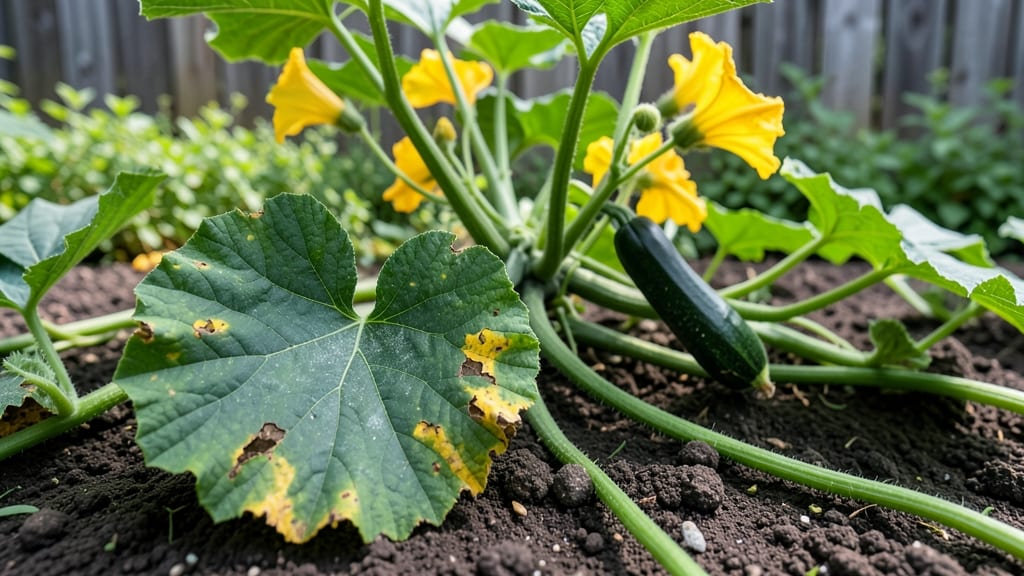
Identifying squash diseases with these pictures can help you catch issues early and protect your harvest—powdery mildew coats leaves with white fuzz, while downy mildew leaves yellow, greasy patches on the undersides.
Bacterial wilt causes sudden wilting, and cucumber mosaic virus creates distorted, mottled foliage—each one a visual clue you can’t afford to miss.
Compare your plants to the real symptoms in this guide, and you’ll catch issues before they spread. A quick spray of neem oil or baking soda mix can stop powdery mildew in its tracks, while removing infected leaves prevents bacterial wilt from taking over.
The key? Act fast—once diseases move from leaves to fruit, your crop is at risk.
📚 In This Guide
- What you need
- Instructions
- Tips and common mistakes
- Wrapping up and next steps
What you need
- ● Healthy and diseased squash plants: At least 3-5 plants showing visible symptoms (e.g., spots, wilting, discoloration) for comparison.
- ● Digital camera or smartphone: With a 10+ MP resolution and macro mode for close-up shots (e.g., iPhone, Android with 12MP+ camera).
- ● Natural or LED grow light: A 1000-2000 lumen light source to illuminate plants evenly for clear photos.
- ● Ruler or measuring tape: For scaling images (e.g., to show lesion sizes accurately).
- ● Labeling tags and markers: Waterproof labels to note symptoms, dates, and suspected diseases (e.g., Powdery Mildew, Downy Mildew).
- ● Gloves and hand sanitizer: To avoid spreading pathogens (nitrile or latex gloves recommended).
- ● Notebook or digital notes app: For recording observations (e.g., weather conditions, plant age, treatment attempts).
- ● Reference guide: A printed or digital squash disease identification chart (e.g., from blank">University of Minnesota Extension or blank">Agriculture.com).
- ● Magnifying glass (10x magnification): For inspecting tiny symptoms like spider mite damage or bacterial spots.
- ● Portable UV flashlight: To detect fungal infections (some pathogens fluoresce under UV light).
- ● Disease-resistant squash seeds: For comparative studies (e.g., Butternut 'Waltham' or 'Golden Delicious').
- ● Weatherproof storage box: To organize samples and photos for long-term reference.
- ● Cloud storage or labeling app: (e.g., blank">Google Photos or blank">Evernote) to back up images and notes.
How to identify and prevent common squash diseases
Recognizing squash diseases early saves your harvest—here’s what to watch for in your garden.
Learn the Visual Signs of Powdery Mildew
Powdery mildew appears as a white, powdery coating on leaves, starting on the undersides. It spreads quickly in warm, humid conditions, often appearing within 2-3 weeks after vines begin to run. Check the top and bottom leaves first—these are prime spots for early infection. The fungus thrives when nights stay above 65°F and humidity lingers.
Don’t confuse it with dust or dew—powdery mildew leaves a fuzzy, chalky residue that wipes off with a finger but returns within hours. Severe cases cause yellowing, curling, and stunted growth. If you see this, act fast: remove infected leaves immediately and improve airflow around plants.
Spot Downy Mildew’s Distinctive Yellow Spots
Downy mildew starts with yellow, angular patches on the upper leaf surface, often along veins. Flip the leaf over, and you’ll see a fuzzy, purple-gray mold in humid conditions. Unlike powdery mildew, this disease thrives in cooler temperatures (60-75°F) and spreads rapidly in wet weather. Check plants after rain or overhead watering—these are high-risk times.
Infected leaves eventually turn brown and crispy, reducing the plant’s ability to photosynthesize. If you notice these symptoms, prune affected foliage and avoid watering leaves (stick to drip irrigation or water at the base). Downy mildew can survive in soil, so rotate crops yearly to break the cycle.
Identify Bacterial Spot’s Tiny Water-Soaked Lesions
Bacterial spot appears as small, water-soaked spots (about 1/8 inch wide) with dark edges on leaves and stems. These spots enlarge over time, often forming concentric rings as the disease progresses. Check the older leaves first, as they’re most susceptible. The bacteria spread via water splashing, so heavy rain or overhead sprinklers accelerate outbreaks.
In severe cases, spots merge, causing leaves to yellow and drop prematurely. If you suspect bacterial spot, remove infected leaves and disinfect pruners with 70% rubbing alcohol between cuts. Copper fungicides can help prevent spread, but avoid them if harvesting within 24 hours—residue can linger.
Watch for Cucumber Beetle Damage and Associated Diseases
Cucumber beetles don’t just chew leaves—they carry bacterial wilt, a deadly disease that clogs a plant’s vascular system. Look for serrated leaf edges and yellowing veins as early signs. The beetles themselves are black or yellow with black stripes, about 1/4 inch long, and feed on squash flowers and leaves. Check plants in the morning when beetles are sluggish.
Once bacterial wilt takes hold, the plant wilts suddenly, even when soil is moist, and recovery is impossible. To prevent this, handpick beetles (drop them in soapy water) and use row covers early in the season. Rotate crops away from cucurbits (squash, cucumbers, melons) for 3 years to reduce soil-borne pathogens.
Prevent Fusarium and Phytophthora Wilts
Fusarium and phytophthora wilts cause sudden wilting, yellowing, and vascular discoloration (brown streaks in stems). These soil-borne diseases thrive in warm, wet conditions and are nearly impossible to cure once symptoms appear. Check the base of stems for dark, waterlogged spots—a sure sign of phytophthora. Fusarium often causes stunted growth before wilting sets in.
To prevent these diseases, sterilize tools between plants, avoid overwatering, and choose resistant varieties like ‘Butternut’ or ‘Delicata’ if your area has a history of wilt. If you suspect wilt, remove the entire plant (including roots) to prevent soil contamination. Solarize the bed in summer by covering it with clear plastic for 4-6 weeks to kill pathogens.
Tips & tricks for identifying squash diseases early
Here's what nobody tells you about catching squash diseases before they ruin your harvest.
Temperature Awareness: The 65°F nighttime threshold for powdery mildew isn't just a number—it's your warning sign. I've seen this fungus appear overnight when temperatures dip below 65°F at night but stay warm during the day. Set up a small thermometer near your squash plants to monitor nightly temperatures. If you notice consistent warm nights above 65°F, take preventive action immediately by spacing plants further apart to improve airflow.
Visual Inspection Routine: I learned this the hard way after losing three squash plants to bacterial spot. Make it a habit to inspect both the top and bottom of leaves every 2-3 days, especially after rain. The undersides of leaves are prime real estate for powdery mildew and downy mildew. Use a small handheld mirror to check leaves that are hard to reach without bending them. This simple tool has saved me countless plants by catching early signs I would have missed otherwise.
Equipment Prevention: That 70% rubbing alcohol recommendation for disinfecting pruners isn't optional—it's critical. I once had bacterial spot spread rapidly after using the same pruners on multiple plants without cleaning them. Keep a small bottle of rubbing alcohol and paper towels in your gardening toolkit. Wipe down tools between every cut, even when moving between healthy and diseased plants. This single step can prevent cross-contamination that spreads diseases faster than you can react.
Seasonal Timing Strategy: The 3-year crop rotation recommendation for cucurbits is non-negotiable if you've had wilt diseases in your garden. I've seen phytophthora wilt persist in soil for years, waiting for the right conditions to strike again. Plan your garden layout now by mapping out where you'll plant squash, cucumbers, and melons this year, next year, and the year after. This foresight prevents future headaches and ensures you're not unknowingly planting in contaminated soil.
Pro Tips for Diseases Of Squash Pictures
- Here's what nobody tells you about catching squash diseases before they ruin your harvest.
- Temperature Awareness: The 65°F nighttime threshold for powdery mildew isn't just a number—it's your warning sign.
- Visual Inspection Routine: I learned this the hard way after losing three squash plants to bacterial spot.
Frequently asked questions
Got questions about squash diseases?
You’re not alone! Here are answers to the most common concerns—so you can spot issues early and keep your plants thriving.
What do squash disease symptoms look like in pictures?
While we can’t embed images here, common diseases like powdery mildew show white, powdery patches, downy mildew appears as yellow spots with fuzzy undersides, and bacterial wilt causes wilting and oozing stems. Check reliable gardening guides or university extension sites (like UMN Extension) for visual references.
How quickly do squash diseases spread?
It depends! Fungal diseases (like mildew) spread slowly but aggressively in humid conditions—visible in 7–14 days if unchecked. Bacterial or viral infections (e.g., cucumber mosaic virus) can cripple plants in days. Remove infected leaves immediately and rotate crops annually to slow spread.
What’s the best organic treatment for squash diseases?
Start with prevention: Use neem oil (1 tsp/gallon of water) or baking soda spray (1 tbsp baking soda + 1 tsp soap per gallon) for fungal issues. For bacterial problems, copper fungicide (like Bonide Copper Fungicide) works well. Always apply early morning to avoid burning leaves.
Can I save a squash plant if it’s already diseased?
Maybe! For mildew or spot diseases, prune infected areas (use sterilized shears!) and treat with fungicide. If the plant is systemically infected (e.g., wilt or mosaic virus), remove it entirely to prevent spread. Compost only healthy plant debris—never diseased material.
Are there disease-resistant squash varieties?
Look for hybrids like ‘Early Prolific Straightneck’ (resistant to powdery mildew) or ‘Butternut Waltham’ (tolerates some viruses). Seed packets often list resistances—check for PM (powdery mildew), ZYV (zucchini yellow mosaic), or CMV (cucumber mosaic virus) codes. Pro tip: Buy from reputable suppliers like Baker Creek for certified seeds.
Bonus Tip: How to prevent diseases before they start!
- Space plants 3–4 feet apart for airflow.
- Water at the base (avoid leaves!) in the morning.
- Rotate crops—don’t plant squash in the same spot yearly.
- Use mulch (straw or grass clippings) to block soil-borne pathogens.
Wrapping up and next steps
Spotting squash diseases early can save your harvest—and your sanity! 🌱 By recognizing the visual symptoms (like powdery mildew’s white coating or downy mildew’s yellow spots) and acting fast with organic treatments or preventive care, you’re already ahead of the game.
Remember, a healthy garden starts with vigilance, clean tools, and proper spacing.
Now that you’re armed with knowledge, take action! Start by inspecting your plants weekly and check out our preventive care tips to keep your squash thriving. Happy growing—your future harvests will thank you! 🎉