
Vegetables
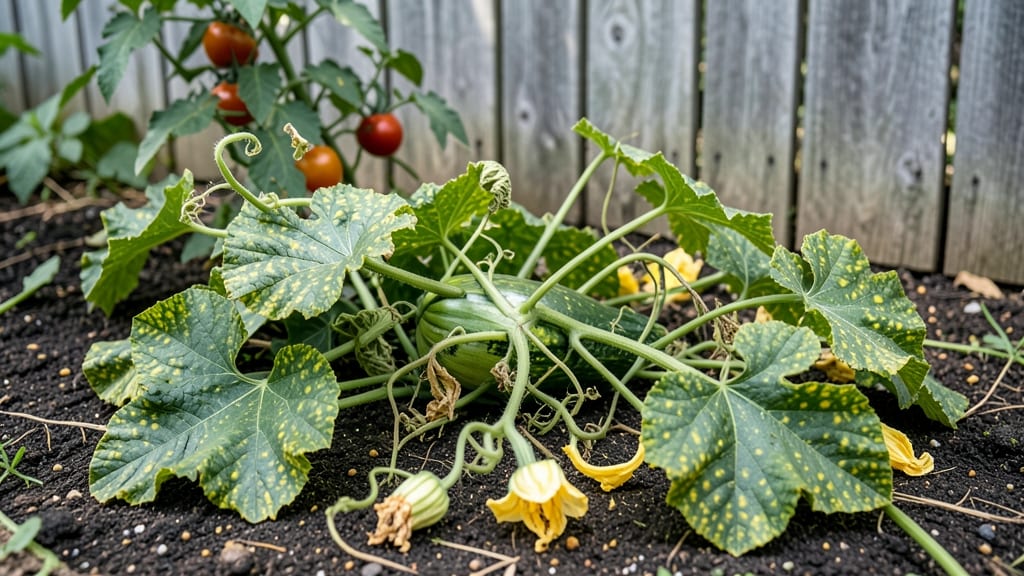
Squash mosaic virus SQMV turns your thriving vines into a sad, stunted mess—unless you act fast. 🌱 I’ve watched this stubborn virus ruin entire cucurbit crops, but I’ve also learned how to fight back with smart prevention and early intervention.
The key is catching it before those telltale yellow patches spread like wildfire.
This isn’t just another "spray this, pray for the best" guide. SQMV thrives in warm weather and spreads through aphids, contaminated tools, and even your hands after touching infected plants.
The moment you see distorted leaves or mosaic patterns, quarantine that plant immediately—no exceptions. Resistant varieties like 'Butternut' or 'Zucchini Golden' can save your garden if planted early.
You’ll walk away with a foolproof plan: copper sprays for aphids, thorough sanitation, and organic soil amendments to boost plant resilience. Yes, there’s no true "cure," but with these steps, you can minimize damage and keep your squash, cucumbers, and pumpkins thriving—no more wasted harvests.
Even if you’ve lost crops before, this method works for beginners and seasoned gardeners alike. The secret? Speed and sanitation. Let’s get your garden back on track before the virus takes over.
The Hidden Triggers Behind Viral Spread
Squash mosaic virus (SQMV) doesn’t just appear out of nowhere—it thrives due to a mix of biological, environmental, and human-related factors. Understanding these root causes is key to preventing outbreaks in your garden. Below, we break down the science behind why this stubborn virus takes hold and spreads like wildfire.
The primary culprit behind SQMV transmission is the aphid, a tiny sap-sucking insect that acts like a living syringe. Here’s how it works:
- Mechanical Transmission: Aphids feed on infected plants, picking up viral particles in their mouthparts. When they move to healthy squash, cucumbers, or melons, they inject the virus directly into the plant’s vascular system—like a microscopic needle.
- Non-Persistent Virus: SQMV is classified as a non-persistent virus, meaning aphids can transmit it within minutes of feeding on an infected plant. No long-term carrier relationship is needed—they’re just efficient couriers.
- Aphid Species Matter: While over 200 aphid species can spread SQMV, Myzus persicae (green peach aphid) and Aphis gossypii (cotton aphid) are the most aggressive spreaders in squash crops.
Actionable Tip: 💡 Monitor your plants for aphids (especially on undersides of leaves) and use yellow sticky traps to reduce their numbers before they become a problem.
SQMV isn’t just airborne—it hitches rides on human activity. Here’s how:
- Pruning Shears and Knives: If you trim an infected plant with dirty tools, the virus can linger on the blade and infect the next plant you cut. The virus survives on metal for hours to days, depending on moisture.
- Gloves and Fingers: Sap from infected leaves can contain viral particles. If you touch a healthy plant after handling an infected one without washing your hands, you risk direct transmission.
- Seed and Grafting Material: Some squash varieties can carry SQMV asymptomatically (showing no visible symptoms). If you save seeds or use infected grafts, the virus spreads to your next season’s plants.
Actionable Tip: 🔪 Sanitize tools with a 10% bleach solution (1 part bleach to 9 parts water) or 70% rubbing alcohol between uses. Always wash hands with soap after handling plants.
SQMV doesn’t spread randomly—it thrives in specific conditions. These environmental factors create the perfect storm:
- High Temperatures (70–85°F): Aphids are most active in warm weather, increasing their feeding and movement. The virus also replicates faster in plants under stress from heat.
- High Humidity: While SQMV itself isn’t waterborne, humid conditions slow plant recovery and make aphids more persistent, prolonging their feeding sessions.
- Overcrowded Plants: Dense foliage traps heat and moisture, creating microclimates that boost aphid populations and reduce airflow (which helps spread viral particles via wind or splashing water).
- Weedy Areas: Wild cucurbits (like Cucurbita foetidissima) can harbor SQMV without symptoms. These "reservoir hosts" allow the virus to persist year-round, infecting your crops when aphids migrate.
Actionable Tip: 🌡️ Space plants properly (follow seed packet guidelines) and remove weeds within a 10-foot radius of your squash patch. Use row covers early in the season to deter aphids before they multiply.
Healthy plants resist SQMV better than stressed ones. When your squash is already fighting other battles, it’s an open invitation for the virus:
- Nutrient Deficiencies: Low nitrogen or potassium weakens cell walls, making it easier for aphids to pierce tissues and inject the virus.
- Water Stress: Overwatering or drought weakens roots, reducing the plant’s ability to compartmentalize the virus (a natural defense mechanism in some plants).
- Other Infections: Plants co-infected with powdery mildew or bacterial wilt are more susceptible to SQMV because their immune responses are already compromised.
- Young or Old Leaves: Aphids prefer new growth (tender and nutrient-rich), while older leaves may show symptoms first but can still spread the virus.
Actionable Tip: 💪 Boost plant resilience with a balanced fertilizer (e.g., 10-10-10) and mulch to retain moisture. Rotate crops annually to avoid soil-borne stress factors.
SQMV doesn’t respect borders. Here’s how it sneaks into new regions:
- Infected Seedlings: Some commercial nurseries unknowingly sell SQMV-infected plants, especially if they source from areas with high viral activity.
- Imported Produce: If you grow squash near fields where infected fruits or seeds were composted, the virus can persist in the soil for up to 2 years.
- Birds and Wind: While SQMV isn’t windborne like some viruses, contaminated soil or plant debris can be spread by birds or storms, introducing the virus to new areas.
Actionable Tip: ✈️ If you’re introducing new plants, quarantine them for 2–4 weeks and test for viruses before planting near your main crop. Avoid composting garden waste from infected plants.
Quick Fixes for Viral Plant Woes
When your squash plants show signs of Squash Mosaic Virus (SQMV), acting fast is key to saving your harvest—and your sanity! 🌱🚨 While there’s no cure for SQMV once it strikes, you can contain the spread, strengthen your plants, and prevent future outbreaks with these practical, science-backed solutions.
Below, we’ve mapped out cause-specific fixes to tackle the problem head-on, plus prevention tips to keep your garden healthy.
Cause: SQMV spreads like wildfire through sap, insects (like aphids), and contaminated tools. Fix:
- 🔥 Step 1: Identify & Isolate Pull up any plant showing mosaic patterns, stunted growth, or yellowing leaves—even if just one leaf is affected. SQMV is non-curable, and infected plants will only worsen. Pro Tip: 💡 Check the undersides of leaves for aphids or sticky residue (honeydew), which can spread the virus.
- 👨🍳 Step 2: Dispose Properly Do NOT compost infected plants—the virus can survive in soil and organic matter.
Instead: - Burn them (if safe in your area). - Seal in a plastic bag and trash them. - Soak in bleach water (1 part bleach to 10 parts water) for 30+ minutes before disposal.
- 🌡️ Step 3: Sterilize Your Tools Viruses hitchhike on pruners, gloves, and even your hands! Sanitize everything after handling infected plants:
- Wipe tools with 70% rubbing alcohol or bleach solution.
- Wash hands with soap and warm water for 20 seconds.
Cause: Aphids feed on infected plants, then spread SQMV to healthy ones via their saliva. Fix:
- 🍳 Step 1: Blast Them Off Spray plants with a strong stream of water (early morning works best) to knock aphids off. Repeat every 2–3 days.
- 🔪 Step 2: Use Natural Predators Encourage ladybugs, lacewings, and parasitic wasps—they love aphids! Plant dill, fennel, or marigolds nearby to attract them.
- ⏰ Step 3: Apply Organic Sprays Mix 1 tsp dish soap + 1 quart water in a spray bottle and apply directly to aphids (avoid overspraying—it can harm plants).
Reapply after rain. Alternative: Neem oil (1 tbsp per gallon of water + a drop of soap) disrupts aphid life cycles.
Cause: Weak or stressed plants are more vulnerable to SQMV. Fix:
- 🌱 Step 1: Boost Soil Health SQMV thrives in poor soil. Amend with:
- Compost (1–2 inches mixed into the top 6 inches of soil).
- Balanced fertilizer (10-10-10 or organic options like fish emulsion).
- Mycorrhizal fungi (available as powder) to improve root absorption.
- 💪 Step 2: Water Wisely Overhead watering can spread viruses via splashing. Instead:
- Use drip irrigation or soaker hoses at the base of plants.
- Water early in the day so foliage dries quickly (reduces aphid attraction).
- 🍎 Step 3: Provide Support Trellis squash plants to improve airflow and reduce humidity (which aphids love). Use cattle panels or sturdy stakes.
Cause: SQMV can linger in soil and garden debris for years. Fix:
- 🔥 Step 1: Rotate Crops Never plant squash, cucumbers, or melons in the same spot for at least 3 years. SQMV can persist in soil.
- 🌡️ Step 2: Solarize the Soil (For Severe Cases) If SQMV is rampant, solarization can kill virus particles:
- Cover bare soil with clear plastic for 4–6 weeks in hot sun (temps should reach 104°F+).
- Works best in summer (check local guidelines).
- ✨ Step 3: Choose Resistant Varieties Some squash breeds are less susceptible to SQMV. Try:
- ‘Butternut Waltham’ (some resistance).
- ‘Table Queen’ (hybrid with better tolerance).
- Check seed packets for “SQMV-resistant” labels.
- 🎯 Step 4: Buy Certified Disease-Free Seedlings Avoid seed swaps or unknown sources. Purchase from reputable nurseries that test for viruses.
Cause: Unknowingly bringing infected plants home is a top SQMV risk. Fix:
- 🚨 Step 1: Isolate for 2 Weeks Keep new seedlings in a separate greenhouse or screened cage for 14 days before introducing them to your garden.
- 🔍 Step 2: Inspect Thoroughly Look for:
- Mosaic patterns (light/dark green patches).
- Stunted growth or puckered leaves.
- Aphids or spider mites (common hitchhikers).
SQMV is heartbreaking but manageable—the key is early action. Set a weekly plant-check reminder and keep your garden clean, strong, and aphid-free to minimize risks. If all else fails, focus on resistant varieties and treat your garden like a fortress against viruses!
Note: Always check with your local agricultural extension office for region-specific advice on SQMV management.
Frequently asked questions
What are the earliest signs of Squash Mosaic Virus in my plants?
Look for yellow mosaic patterns on leaves (light/dark green patches) or stunted growth in new leaves. Check undersides for aphids—they spread the virus within minutes of feeding. Symptoms often appear 2-3 weeks after infection.
Can I save an infected squash plant once SQMV appears?
No, there's no cure for SQMV. Remove infected plants immediately to prevent spread. The virus lives in plant sap, so even touching healthy plants after handling infected ones can transfer it. Always sterilize tools and wash hands thoroughly.
How do I know if my squash seeds are carrying SQMV?
Some varieties can carry SQMV without symptoms. To test, grow seedlings in isolation for 4-6 weeks and watch for mosaic patterns. Purchase certified disease-free seeds from reputable nurseries to avoid this risk entirely.
What's the best organic spray to prevent SQMV?
Neem oil (1 tbsp per gallon of water) disrupts aphid life cycles—the main SQMV spreaders. Spray plants every 7-10 days during growing season. Add a drop of dish soap as a sticker. For immediate relief, blast aphids off with water first.
Will crop rotation really help if SQMV persists in my soil?
Yes! SQMV can survive 2+ years in soil, but rotating to non-cucurbit crops (like beans or tomatoes) for 3 years breaks the cycle. For severe cases, solarize soil with clear plastic during summer to kill virus particles at 104°F+.